Insurance and Valuation: Protecting Your Investment
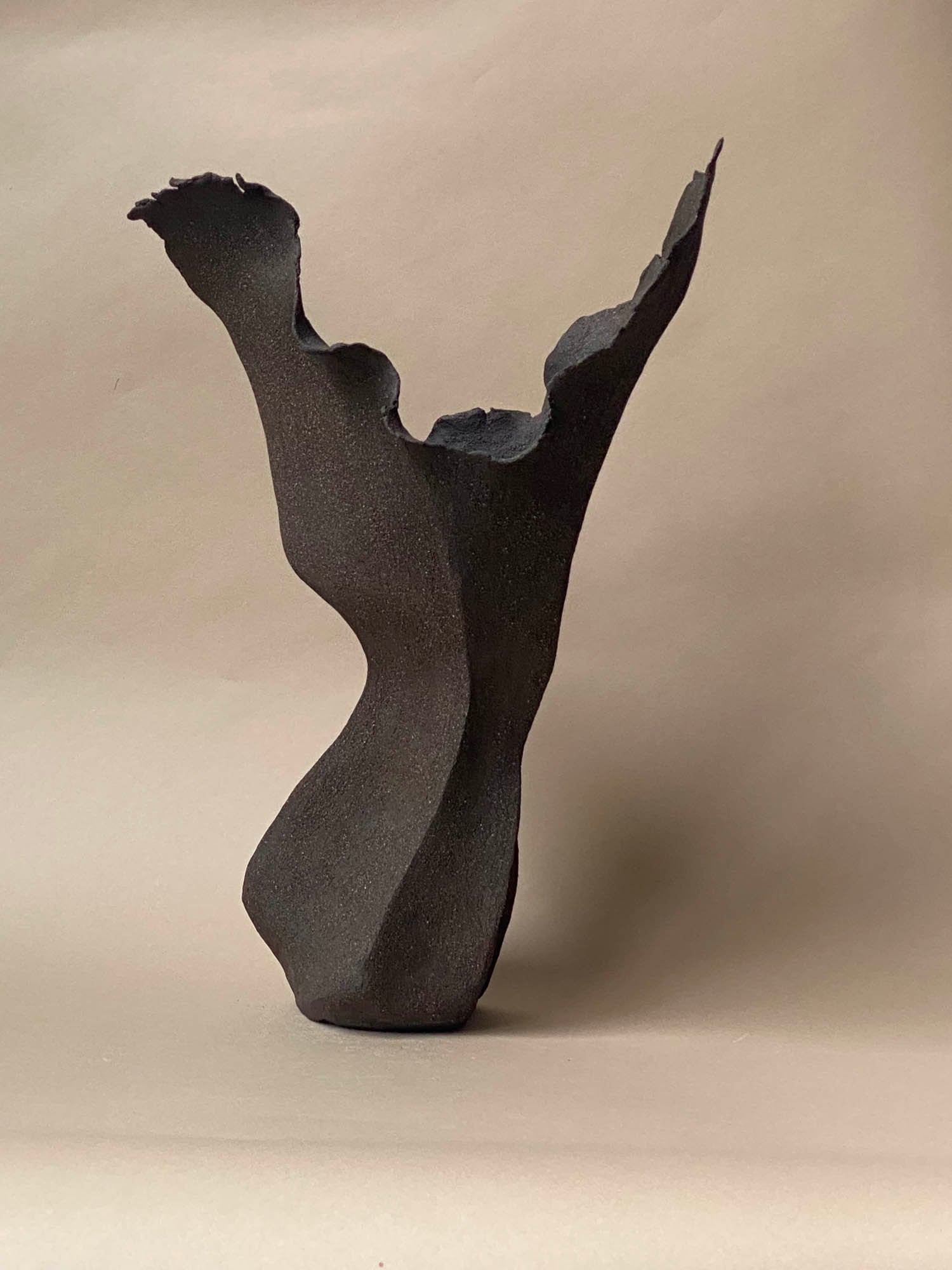
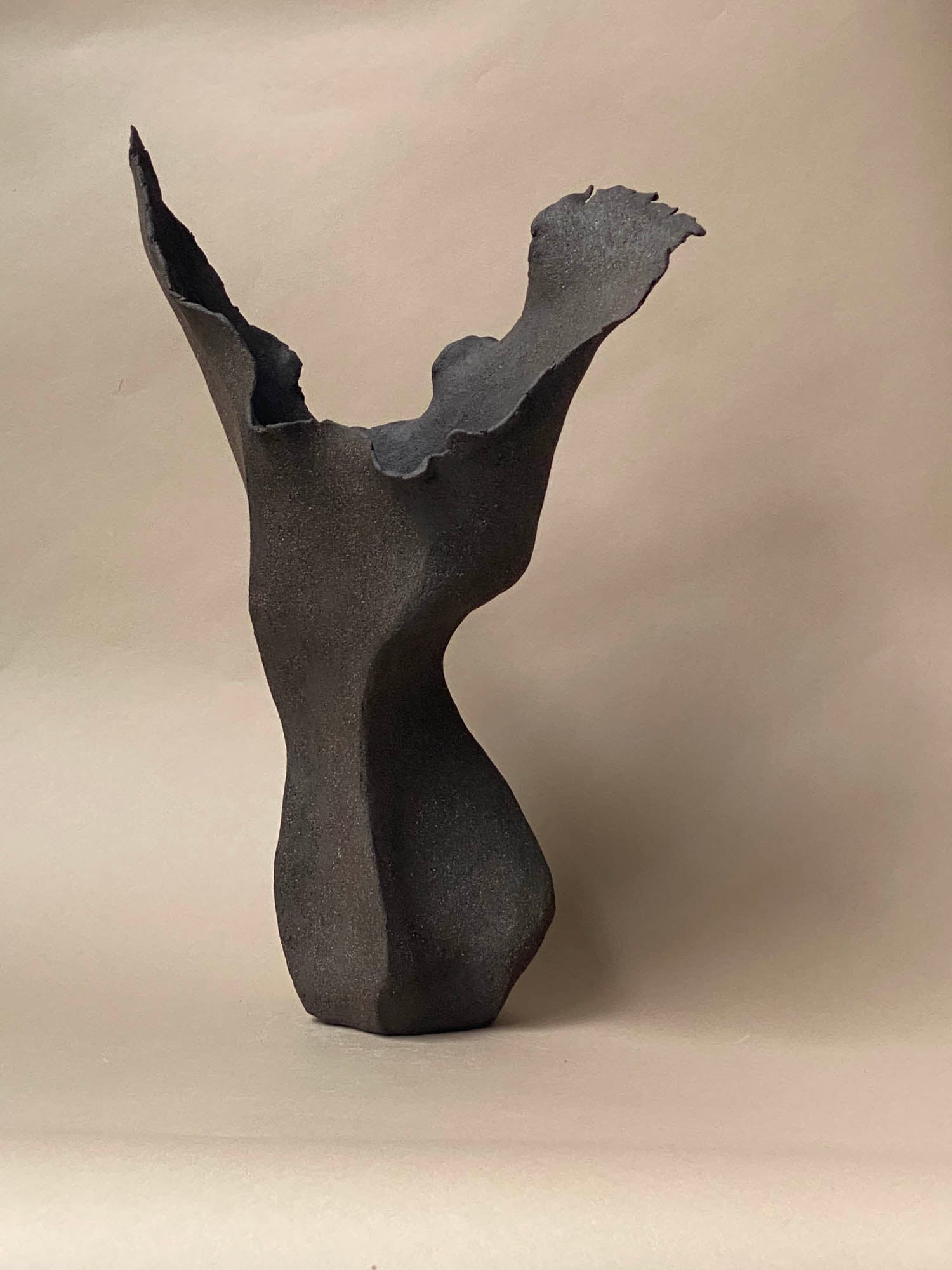
Handcrafted art carries more than beauty into a room—it carries the time, practice, and stories of a maker’s hands. Whether you’ve just welcomed a singular ceramic sculpture into your living space or you’ve thoughtfully built a collection over years, protecting these investments matters. This guide demystifies art insurance and valuation so you can make informed choices, document your pieces with confidence, and plan coverage that reflects both price and meaning.
Why insure artisan-made art?
Collectors often ask when it’s time to move beyond a standard homeowners policy and consider fine art insurance. The answer usually turns on value, uniqueness, and how you live with the work. A one-of-a-kind ceramic piece can be impossible to replace exactly; insurance helps you recover financially if the unexpected happens—breakage, theft, water damage, smoke, or a mishap in transit.
At Trove Gallery, many of our featured works fall at a thoughtful threshold: significant enough to merit careful valuation, accessible enough that coverage can be straightforward. Consider the sculptural presence of Noe Kuremoto’s Haniwa Warriors—distinct forms like Haniwa Warrior 93, Haniwa Warrior 85, Haniwa Warrior 74, and Haniwa Warrior 92—each at $1,700.00. Or explore other warriors such as Haniwa Warrior 124, Haniwa Warrior 107, Haniwa Warrior 113, and Haniwa Warrior 126 at the same price point. These are exemplary candidates for a scheduled policy rider or a dedicated fine art policy because they’re unique and priced to be individually listed.
On the same shelf, you might pair a lyrical piece from Kuremoto’s companion series—like Dogu Lady 91, Dogu Lady 93, or Dogu Lady 95—each at $1,105.00, or their higher-priced counterparts Dogu Lady 74 at $1,236.00, Dogu Lady 19 at $1,247.00, and Dogu Lady 104 at $1,356.00. Even subtle variations in price can inform coverage decisions. Meanwhile, Noe Kuremoto’s Crane Wife 9 and Crane Wife 14 sit at $1,356.00, with Crane Wife 7 at $1,347.00—demonstrating how individual sculptural voices find nuance in valuation.
Other makers echo that same blend of rarity and accessibility. Chala Toprak’s moody vessels—Ash Bloom 02 ($1,430.00) and Ash Bloom 07 ($1,131.00)—pair well with the quiet, textural presence of Tania Whalen’s forms: Rhythm 1 Vessel, Rhythm 2 Vessel, and Rhythm 3 Vessel at $1,625.00 each, alongside the poetic Swirl Moon Vessel at $1,105.00. If you’re drawn to contemporary statements, Beril Nur Denli’s sculptural works—Samsa ($2,808.00), Fireflies ($3,864.00), Into the Sensuousness ($2,244.00), and Improvisation ($3,048.00)—invite bolder coverage considerations. Likewise, Christian Nyberg’s Large Totem Sculpture ($1,050.00) and Eliška Janečková’s conceptual pieces—Trophy of a Synthetic Age 1 ($4,000.00) and Trophy of a Synthetic Age 2 ($4,500.00)—illustrate why having accurate insured values matters.
Valuation 101: Replacement, market value, and what insurers expect
Insurers typically reference one of three valuation approaches for art and collectible decor. Understanding the difference helps you set coverage limits that actually work when you need them.
Retail Replacement Value (RRV): For new, contemporary works acquired from a gallery like Trove, insurers often base coverage on the current retail price to replace the piece with a comparable work by the same artist at today’s market. This is the most common standard for scheduled personal property riders and fine art policies.
Fair Market Value (FMV): FMV is the price a willing buyer and seller would agree upon in the open market. It’s often used for secondary-market or donation contexts, and some claims scenarios when a piece cannot be replaced at retail with a comparable work. FMV can be lower than RRV, especially if a work is abundant or the artist’s primary market is evolving.
Agreed Value: Occasionally, insurers agree in advance on a set value for a specific work. This can provide clarity, but it must be documented and revisited as markets change.
For artisan-made pieces available directly through a gallery, RRV will often be the guiding standard. For example, ensuring that Rhythm 1 Vessel is scheduled at $1,625.00 aligns coverage with replacement at current retail, while a larger statement piece like Trophy of a Synthetic Age 2 is scheduled at $4,500.00 to reflect its contemporaneous market positioning.
Build your valuation file: Documentation that protects you
Good documentation does more than help you sleep better—it speeds up claims, supports valuations, and preserves the story of your collection. Start a simple digital folder for each piece with the following:
Proof of purchase and price: Save your Trove order confirmation and invoice PDFs. For instance, file your $1,700.00 receipt for Haniwa Warrior 113 alongside images and any gallery notes you received.
Artist and work details: Include the maker’s name, the exact title, and a link to the listing (e.g., Ash Bloom 02 or Swirl Moon Vessel) plus a short maker bio from the collection page. Insurers appreciate concise context because it supports how replacement would be determined.
Images: Photograph the piece from multiple angles in good, natural light. Capture close-ups of signatures, maker’s marks, or distinctive features—say, the sculptural contours and hand-finished textures on Dogu Lady 104.
Condition notes: Record the condition upon arrival. If a delicate component is part of the design—for instance, a dramatic protrusion or negative space on Fireflies—note it in case it becomes relevant in a future claim.
Placement and care: Add a quick note about display location (e.g., secured shelf, niche, pedestal). If the piece is near a window or high-traffic area, mention any protective measures you use. For ceramics and small sculpture, simple museum putty (if appropriate) can help prevent tip hazards; always test on a discreet surface first.
Correspondence: Keep any emails with the gallery or artist regarding lead times, variations, or customizations; if you acquired a special colorway or a unique variant within a series, that detail helps establish comparable replacements later.
How much coverage is enough? Setting limits with real examples
A practical way to determine coverage is to review each piece individually and then total your collection. If your homeowners policy offers a scheduled personal property rider, you can list items above a certain threshold; values below that may be covered under general contents, but limits and exclusions can be restrictive. A dedicated fine art policy can be more flexible with accidental breakage and transit, which is important for ceramic sculpture.
Imagine scheduling a focused shelf of sculptural voices and vessels:
• Haniwa Warrior 124 at $1,700.00, paired with Haniwa Warrior 126 at $1,700.00. These two alone suggest $3,400.00 of coverage.
• Add warm-toned figures like Dogu Lady 93 and Dogu Lady 95—$1,105.00 each—bringing your subtotal to $5,610.00.
• Accent with a moody vessel from Chala Toprak, such as Ash Bloom 07 at $1,131.00, plus Tania Whalen’s Rhythm 2 Vessel at $1,625.00. Your total is now $8,366.00.
Now consider a dramatic focal point in a separate room:
• Center the space with Improvisation by Beril Nur Denli at $3,048.00, and flank it with Large Totem Sculpture by Christian Nyberg at $1,050.00. You’ve added $4,098.00—pushing your combined insured value to $12,464.00.
In a larger home or hospitality setting, it can be wise to schedule each piece individually up to the most ambitious works: Trophy of a Synthetic Age 1 at $4,000.00 and Trophy of a Synthetic Age 2 at $4,500.00. Combined with a luminous Fireflies at $3,864.00 and sculptural gestures like Into the Sensuousness ($2,244.00) and Samsa ($2,808.00), you can quickly see totals that justify a dedicated fine art policy with robust accidental breakage and transit coverage.
The point isn’t to inflate numbers—it’s to be honest and precise. If you’ve assembled a collection with thoughtful variety—say, Haniwa Warrior 107 ($1,700.00), Crane Wife 7 ($1,347.00), Ash Bloom 02 ($1,430.00), Rhythm 1 Vessel ($1,625.00), and Swirl Moon Vessel ($1,105.00)—document each at its current retail price and ask your insurer to schedule them individually. This approach often lowers deductibles and clarifies claims.
Appraisals and updates: Keeping pace with the market
For new works purchased directly from galleries, your invoice typically suffices as the initial valuation document. However, if your collection grows—or if you hold rarer, higher-value pieces—it’s smart to refresh values periodically. Many collectors revisit valuations every two to three years, or any time a maker has a notable career development, a major exhibition, or sustained changes in retail prices.
When you do need an appraisal, look for an independent, qualified appraiser with experience in contemporary decorative arts or ceramics. They can determine the correct standard of value for your policy—often retail replacement—and provide a written report that insurers readily accept. A well-prepared collector’s file (invoices, images, maker statements) reduces appraisal time and cost.
Consider how values sit relative to your risk tolerance. If you’ve curated a coherent grouping of Noe Kuremoto’s figures—perhaps Haniwa Warrior 93, Haniwa Warrior 85, and Haniwa Warrior 74—you might reassess coverage if the artist’s waitlist grows or analogous works gain attention in design media. The goal is to keep your coverage current, neither under- nor over-insured.
Transit, installation, and claims: Practical steps that matter
Most ceramic and mixed-media works travel safely when properly packed, but transit remains the riskiest moment in a piece’s life. Request or verify shipping insurance for the full retail value; if you’re sending a piece out for loan or installation, ask your insurer whether your policy covers it off-site or whether the receiving venue’s insurance will respond.
Upon receipt, unpack carefully and save all materials until you’re satisfied with condition. Photograph the piece as you open the box—wide shots and close-ups—to create a time-stamped record. If anything looks amiss, document before you move or display the work. This diligence supports any potential claim and is simply good stewardship.
When installing, choose a stable, level surface away from edges and circulation paths. For pedestal displays, confirm weight capacity and consider discreet stabilization techniques if appropriate. Environmental care—moderate light, humidity, temperature, and dusting with non-abrasive methods—helps preserve surfaces and finishes. If a claim ever arises, demonstrating that you took reasonable care strengthens your position under both homeowners riders and fine art policies.
The human story: Why provenance and maker context increase resilience
Insurers are persuaded by clarity. The more confidently you can tell a piece’s story—how and where it was acquired, how it fits the artist’s larger practice—the easier it is to establish a fair and timely settlement if needed. Maker collections and gallery notes provide this context without pretense; they show that your purchase isn’t anonymous décor but part of a living studio practice.
Explore makers and their collections to round out your files and deepen your appreciation: the narrative power of Noe Kuremoto, whose sculptural series—from the warrior figures to the Crane Wife and Dogu forms—reward close looking; the rhythmic restraint of Tania Whalen; the atmospheric presence of Chala Toprak; the architectonic clarity of Christian Nyberg; the conceptual tension in Eliška Janečková; and the expressive, sensuous forms of Beril Nur Denli. A simple PDF printout or screenshot of the maker’s collection page, saved with your invoice, helps insurers understand how a comparable replacement would be sourced if needed.
Consider how this looks in practice: you might save the Trove listing for Crane Wife 14 alongside an image of the broader Crane Wife group; or file Into the Sensuousness with a brief note on the artist’s other available works—Samsa, Fireflies, and Improvisation—to give your insurer a fuller view of comparables. None of this needs to be elaborate; it needs to be organized.
Putting it all together: A calm, clear process
1) Document each piece on arrival: receipt, price, photos, and a short note about placement and condition. 2) Ask your insurer about a scheduled personal property rider versus a dedicated fine art policy, with accidental breakage and transit coverage for ceramic works. 3) Use retail replacement value as your starting point for contemporary, gallery-acquired pieces and review coverage every two to three years or after significant acquisitions.
From the approachable elegance of Ash Bloom 02 ($1,430.00) to the sculptural gravitas of Trophy of a Synthetic Age 2 ($4,500.00), the goal is the same: care that’s as thoughtful as the work itself. When you honor the story and safeguard the details, you protect not only your investment but the quiet joy of living with art.
Note: This article provides general information and is not legal or insurance advice. Coverage terms vary by insurer and jurisdiction. Consult a qualified insurance professional and, when appropriate, an independent appraiser.
Ready to protect what you love?
Start by saving your Trove receipts and bookmarking your maker collections. Then schedule key pieces—including Haniwa Warrior 93, Dogu Lady 74, Rhythm 3 Vessel, Swirl Moon Vessel, and Fireflies—at their current retail values. When you’re ready to add another work, explore the links above, and build with confidence. Your collection deserves protection that feels as considered and enduring as the art itself.