Living Wabi-Sabi: Room-by-Room Inspiration
Wabi-Sabi is a love letter to the lived-in—an invitation to notice the humble, the handmade, and the quietly extraordinary. It’s an interior design philosophy rooted in Japanese aesthetics that celebrates natural materials, patina, and simplicity. In a world of relentless gloss, Wabi-Sabi offers a counterpoint: rooms that breathe, pieces that hold memory, and collections grounded in touchable texture and thoughtful restraint.
At Trove Gallery, we champion artisans whose work embodies that spirit. This room-by-room guide explores how to style a Wabi-Sabi home with soulful, handcrafted pieces—each with a human story and an elegant, unforced beauty—while offering practical tips for light, layout, and daily rituals. Along the way, you’ll find collectible objects and sculptural furniture to anchor your spaces with quiet luxury.
What Wabi-Sabi Really Means at Home
Wabi-Sabi interiors honor tranquility over perfection. Think natural light that changes through the day, materials that soften with use, and a palette drawn from stone, clay, wood, and cloud. The goal isn’t austerity—it’s presence. When your rooms contain fewer, better things, each object has room to resonate. Handcrafted home decor brings this to life because the maker’s hand is visible in every curve, facet, and brushstroke.
As you read, keep a few guiding ideas in mind: choose organic forms over sharp symmetry, layer textures rather than loud color, and let negative space be part of the composition. The right pieces don’t compete—they converse.
Entryway and Living Room: A Quiet Welcome
The entry sets the tone for mindful living. Even a small landing can feel serene with one tactile focal point. A textured wall piece, a sculptural vessel, and a place to sit are enough. From there, the living room becomes a study in balance—soft, warm, and full of breathing room.
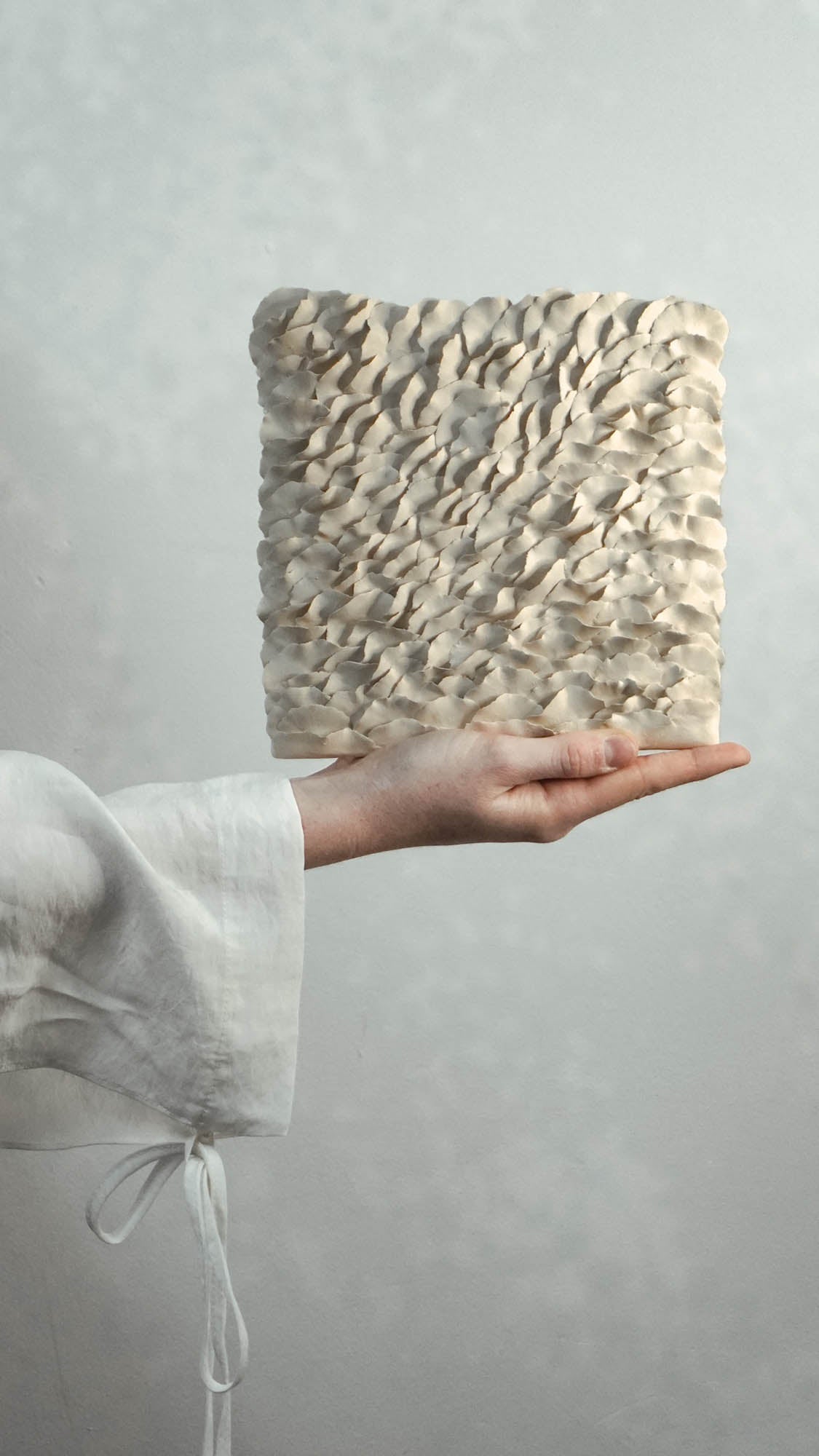
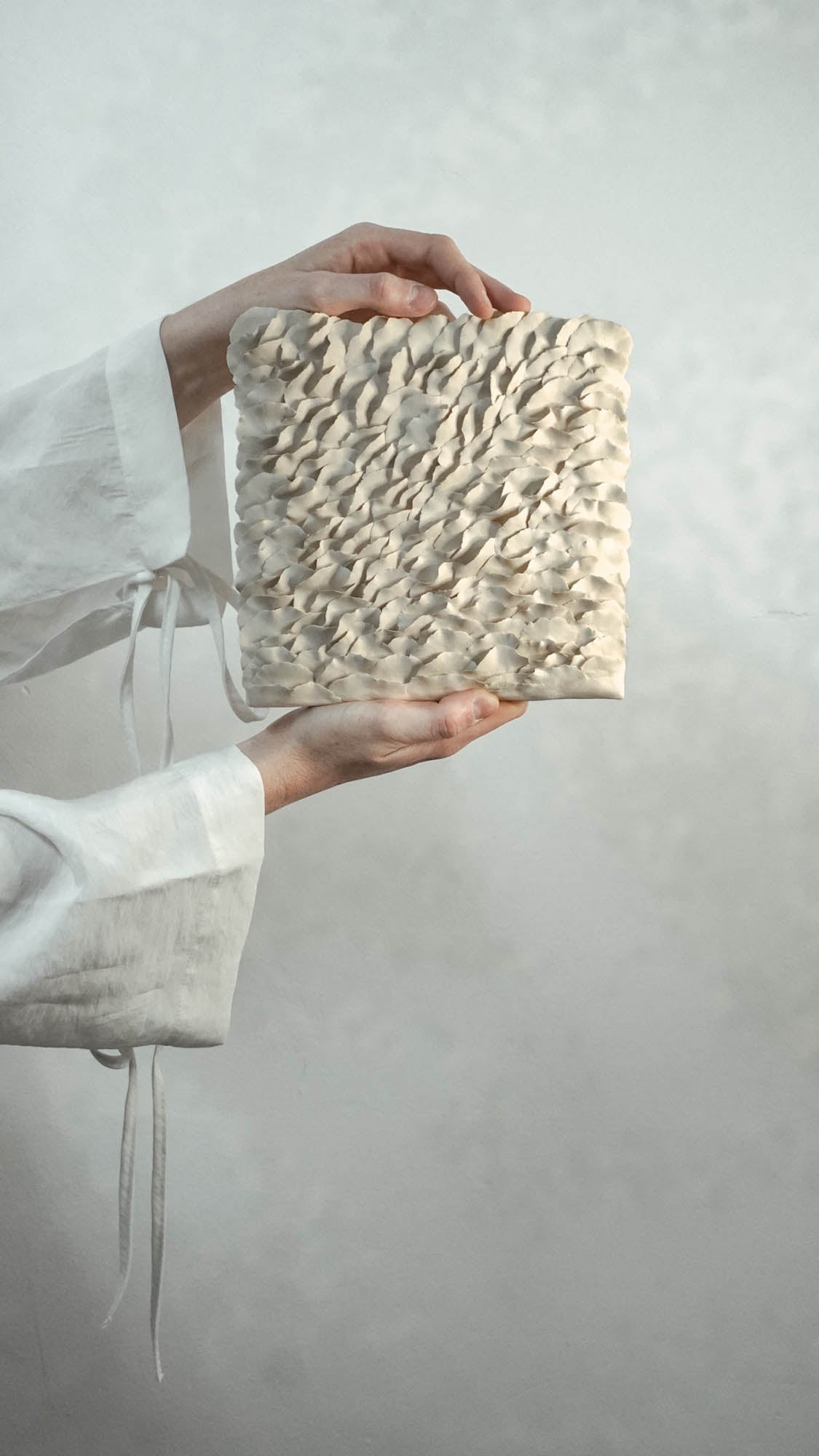
For walls with soul, consider the fresco-like depth of Faustine Telleschi’s murals. Her Tumbled Mural ($437) and Rosetta Mural ($566) offer layered texture that reads as both painting and place. The surfaces feel timeworn, like weathered stone; their nuanced tones are an instant cue to slow down. Explore more from the artist via Faustine Telleschi’s collection.
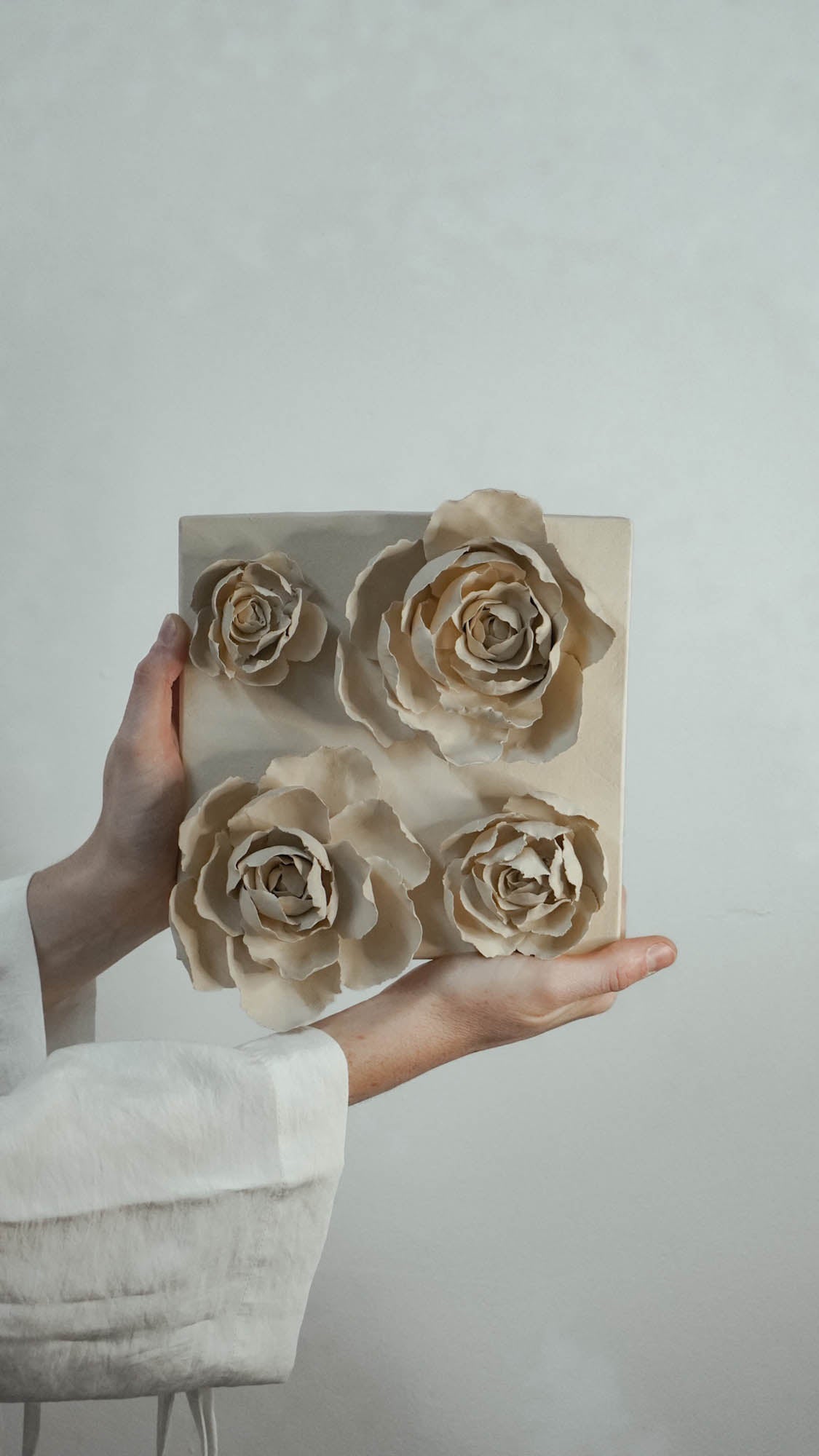
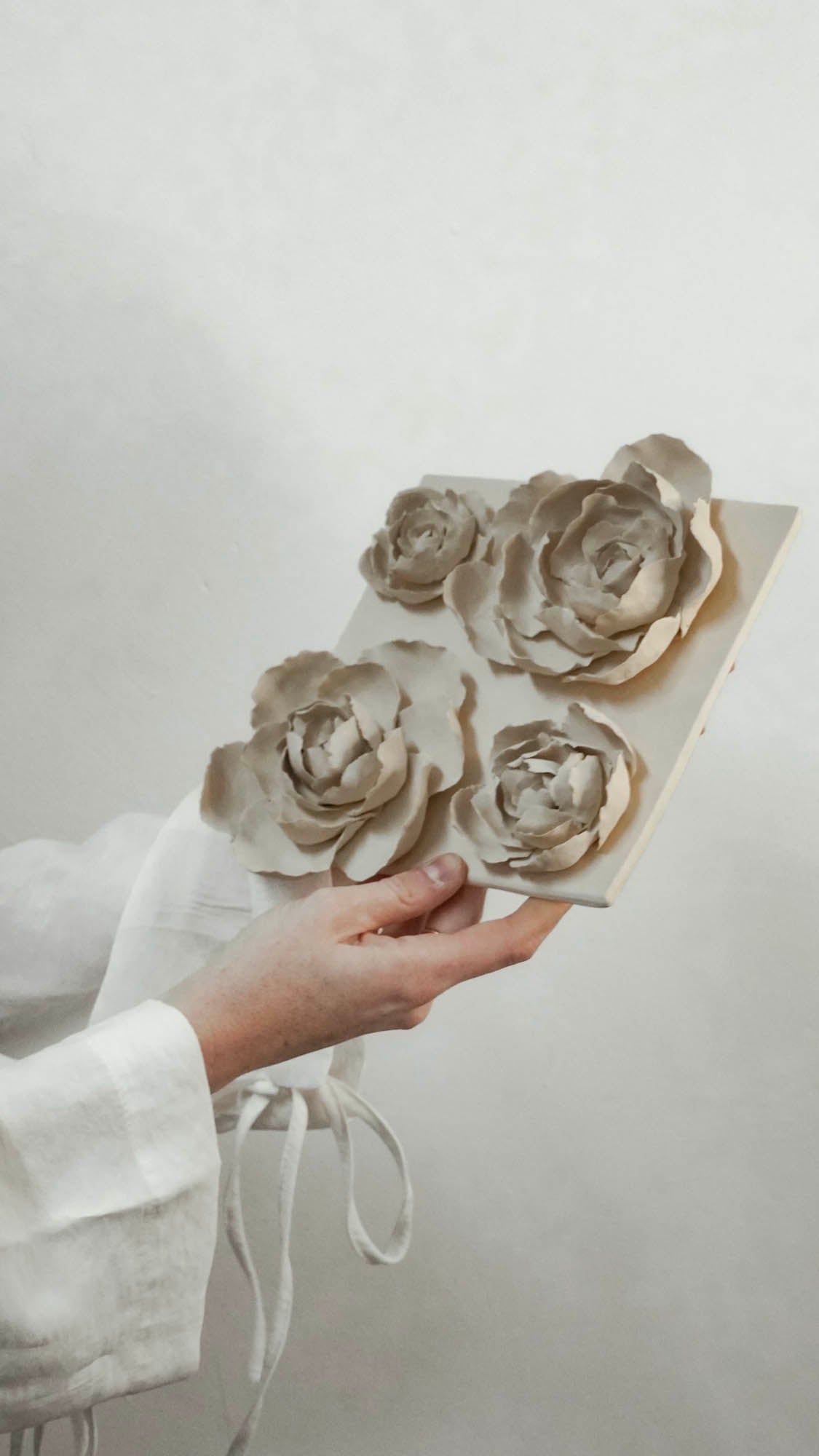
On a neighboring wall, sculptural accents by Nadia Stieglitz introduce quiet movement. Parure 8 ($2,800) and Parure 9 ($2,760) are intimate yet powerful—hand-formed compositions that cast subtle shadows throughout the day. They pair beautifully with plaster, limewash, or raw linen and make even a minimalist room feel layered. Discover the full edit in Nadia Stieglitz’s collection.
When it comes to seating, Wabi-Sabi favors comfort you can see. The sculptural curves and airy negative space of Robert Remer’s furniture bring artfulness to the everyday. The Drillium Club Chair ($7,755, includes Sunbrella fabric cushions) is a relaxed anchor that invites lingering conversation. For rooms that spill out onto a terrace, its sibling, the Drillium Chaise ($16,349, includes cushions with Sunbrella fabric), becomes a daybed-like island for reading and restoration. Browse more works in Robert Remer’s collection.
Low tables and consoles are perfect stages for objects with a tactile story. A single hand-thrown vase or bowl can transform the mood of a space—drawing the eye down and back into the present moment. Consider the biomorphic purity of Anna Shipulina’s White Organic Ceramic Vase ($910). Its fluid silhouette and matte surface add light-catching softness without shouting for attention. Explore more of her refined forms in Anna Shipulina’s collection.
If your living room invites a glimmer of glass, place it like a whisper rather than a chorus. A single crystal vessel on a low shelf or in a sunlit niche amplifies the room’s natural rhythms. Moser’s pieces—precise yet sensuous—bring a quiet clarity to the palette. We love how a vessel’s edge can catch late-afternoon light and scatter it across limewashed walls.
Remember: Wabi-Sabi is as much about what you remove as what you add. Leave spaces near doorways and windows open. Let a bare segment of wall act as a pause between artworks. This restraint gives your crafted pieces room to resonate.
Dining and Kitchen: Texture at the Table
The dining room is where Wabi-Sabi shines through ritual—placing a bowl, pouring water, sharing a generous, unfussy meal. Each gesture is more rewarding when the objects you touch are made with intention. Choose one centerpiece that changes with the seasons, then layer natural linens and soft candlelight around it.
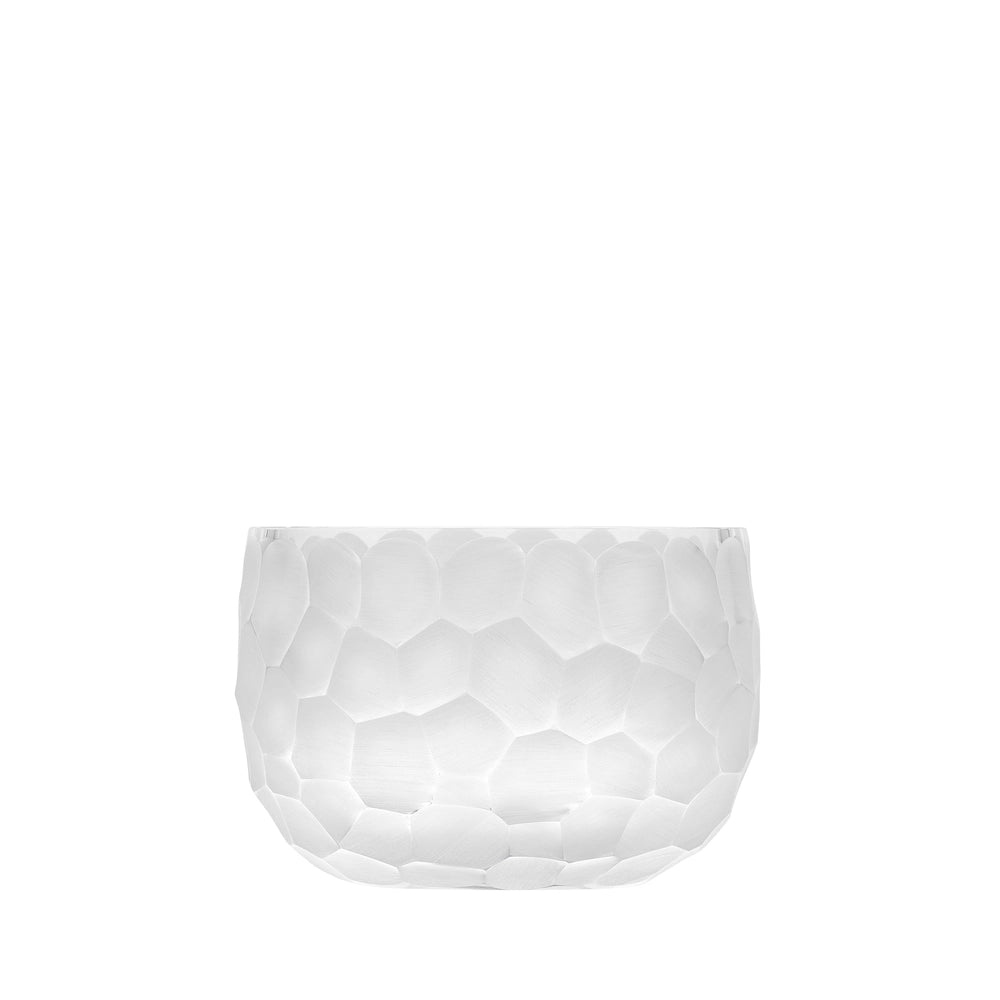
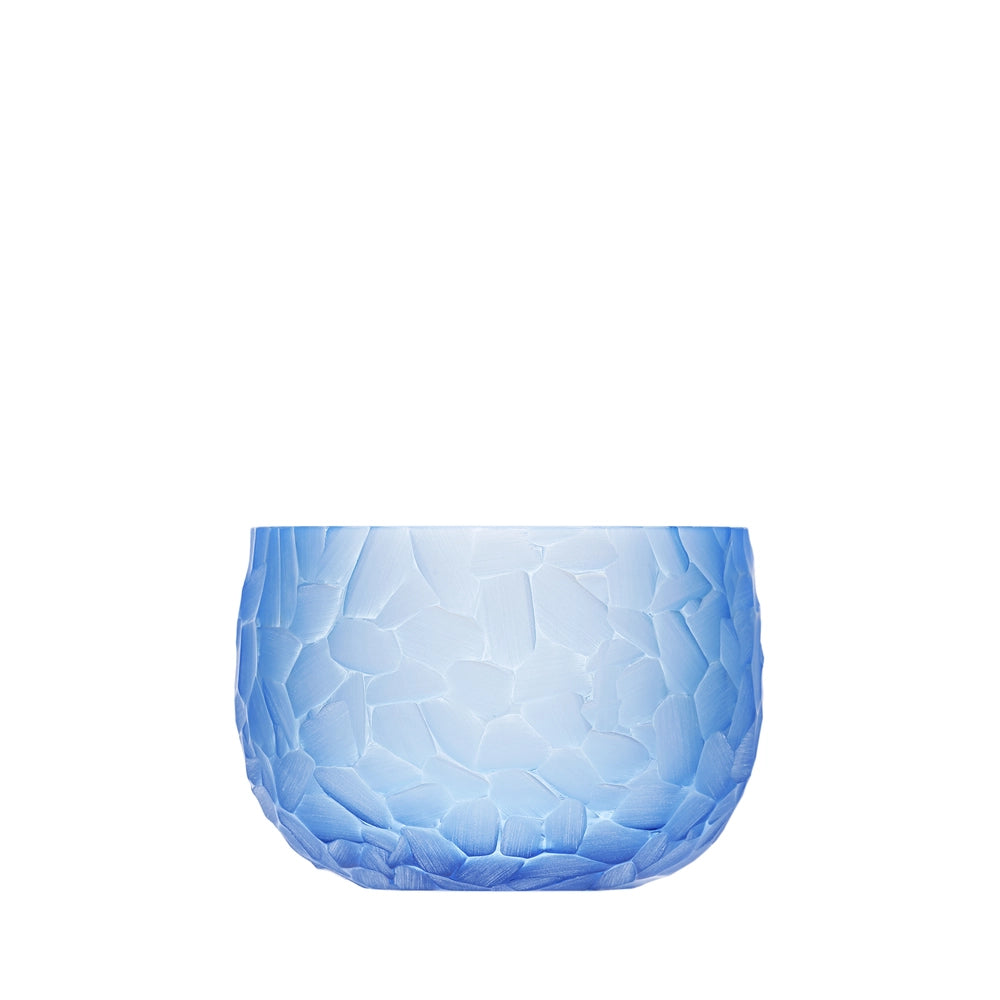
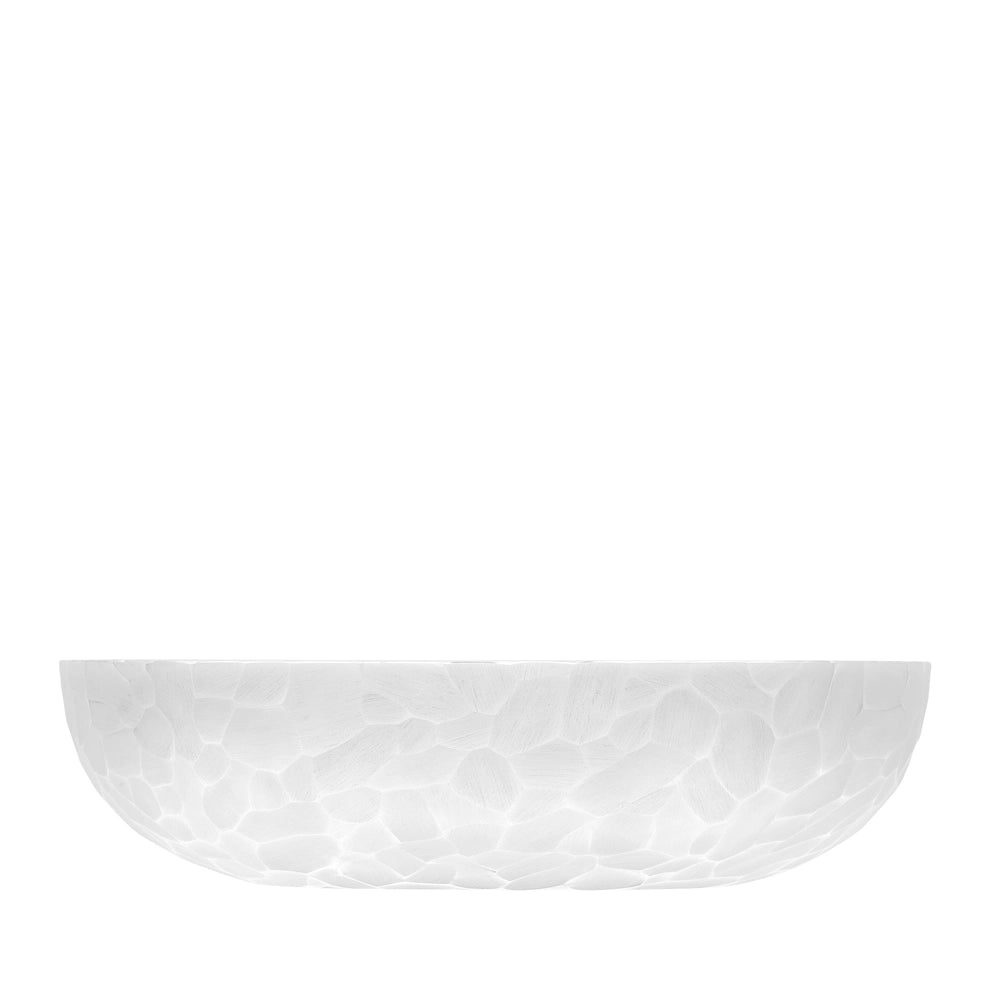
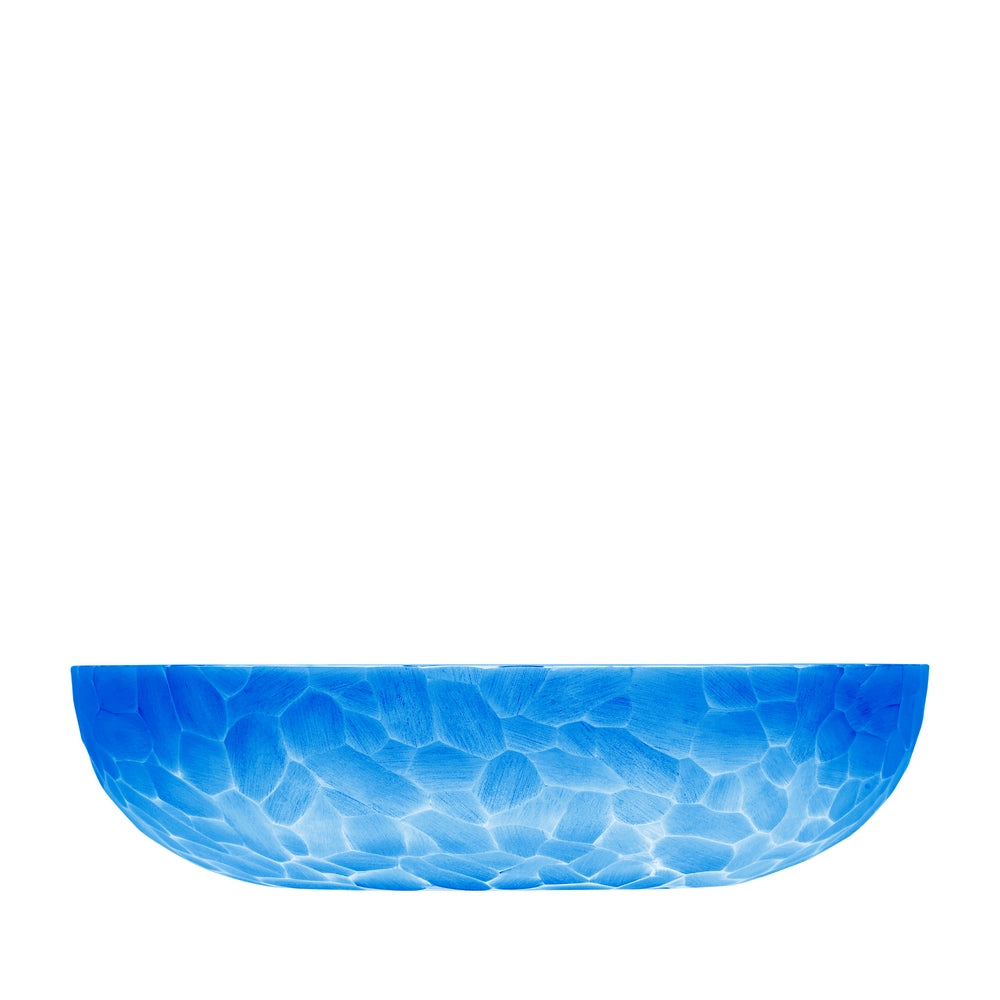
Moser’s crystalline forms offer luminous focal points. The Deep Arctic Bowl ($1,000) is aptly named: a deeper profile that holds fruit, branches, or nothing at all—letting its weight and clarity ground the table. Its counterpart, the Shallow Arctic Bowl ($2,342), reads like a calm pool—perfect for floating a single camellia or cradling seasonal produce. Their understated presence feels modern yet timeless. Explore more in Moser’s collection.
To vary height, pair bowls with tall vessels that echo nature’s silhouettes. The Conea Vase 9 in ($4,491) and the Tall Conea Vase 10.5 in ($4,491) introduce a sculptural spine to a sideboard or mantel. For a botanical centerpiece that still reads minimalist, the Pinea Vase 9 in ($4,491) and Pinea Vase 10.5 in ($4,491) offer a soft, organic profile—exquisite with a single flowering branch or a wisp of dried grass.
Not every table needs glass to glow. The quiet curve of ceramic can be just as evocative. Tuck Álvar Martínez Mestres’s pieces into open shelving for a daily reminder of tactility: the Small Zen Bowl ($357) is a palm-sized meditation in clay, and the Small Dune Vase ($387) brings wind-shaped motion to a cluster of vessels. Their matte finishes and subtle asymmetries make even the simplest meal feel grounded.
Styling note: Keep table colorways restrained—stone, sand, smoke, and cream. Then add a single green branch, a linen runner, and a candle set low. Wabi-Sabi dining isn’t about spectacle; it’s about depth of feeling created by honest materials.
Bedroom and Personal Retreats: Softness, Shadow, Stillness
Bedrooms benefit from Wabi-Sabi most of all. This is where you edit down to the essentials: a comfortable bed, a reading chair, a tiny altar of daily objects. Lighting should be gentle and layered, with shaded lamps and the occasional candle to emphasize shadow and texture.
On a bedside table, the curve of a small vessel invites ritual. Place the Small Zen Bowl ($357) where you set your ring at night or keep matches for a candle. By morning, its presence feels like a breath. On a dresser, the Small Dune Vase ($387) can hold a single stem or stand empty, a sculptural reminder that not every surface needs filling.
For a focal point that remains soothing, consider Anna Shipulina’s White Organic Ceramic Vase ($910). Its cloud-like profile reads as a soft counterbalance to crisp bedding and natural wood. The vessel’s negative space—those subtle contours and gentle shadows—adds a quiet luxury that never feels contrived.
If you have a reading corner, a low stool or stack of books can stage a small glass piece to catch the day’s last light. A single Moser vase or bowl placed near a window refracts a delicate band of color and clarity, aligning the room with sunrise and sunset rather than a clock.
Art on bedroom walls should feel like a whisper. A single mural by Faustine Telleschi, like Tumbled Mural ($437), can bring the sensation of weathered plaster and landscape in one breath. Or choose the rhythmic relief of Nadia Stieglitz’s Parure 9 ($2,760) for a soft sculptural presence that lives comfortably with linen, wool, and raw wood.
Garden, Patio, and Thresholds: Weather as Co-Designer
Outdoors, Wabi-Sabi is second nature. Let the breeze, sun, and time collaborate with your objects. Choose pieces that embrace negative space and cast changing shadows. Patina becomes part of the poetry.
Robert Remer’s sculptural works translate beautifully from gallery to garden, inviting contemplation along a path or near a sitting area. Consider the graphic geometry of Echelon ($1,321), the wind-dune grace of Barchan ($1,381), or the celestial arc of Jabbah ($1,829). Clustered or solo, they frame open air as part of the composition. For a more vertical moment, the Hoodoo Stacks (set of 5, $4,444) create a totemic rhythm that feels at once ancient and modern.
If your landscape wants a statement piece, Caldera ($7,092) offers sculptural gravitas without overwhelming the setting. Its silhouette integrates with stone, gravel, and native grasses—perfect for a courtyard where you can appreciate line and shadow throughout the day.
Outdoors or in a sunroom, the sensual comfort of the Drillium Chaise ($16,349, includes cushions with Sunbrella fabric) transforms a quiet corner into a retreat. Pair with the Drillium Club Chair ($7,755) and a linen throw to create a conversation nook that blurs the boundaries between house and garden.
Styling tip: Let plantings be loose and low. Choose a limited palette of hardy species in varied textures—grasses, herbs, and one small tree. The art becomes the punctuation that helps the garden read like a poem.
How to Curate a Wabi-Sabi Collection
Start slow. Wabi-Sabi isn’t a look you buy in a weekend; it’s a life you collect over time. Choose one piece that truly moves you—perhaps Faustine Telleschi’s Rosetta Mural ($566) for its mineral quietude, or Nadia Stieglitz’s Parure 8 ($2,800) for its soft, organic relief. Live with it for a month. Then add a complementary object in a different medium, like Moser crystal or a hand-thrown vase, to introduce contrast without clutter.
Mix heights and weights. A grounded ceramic or stoneware form can offset the light-catching clarity of a crystal bowl. Try the Shallow Arctic Bowl ($2,342) near a matte ceramic vessel, or place the Conea Vase 9 in ($4,491) where a shaft of light grazes its profile for a few minutes each afternoon.
Honor negative space. The distance between objects is as important as the objects themselves. Leave breathing room between Echelon and Barchan if you install them together, or let the White Organic Ceramic Vase stand alone on a console for a month before adding companions.
Most importantly, buy for feel. Run your hand along a curve, notice how a piece sits in light, and consider the story of the maker. Explore our makers’ worlds: Faustine Telleschi, Nadia Stieglitz, Robert Remer, Moser, and Anna Shipulina.
Care, Materials, and Ritual
Wabi-Sabi celebrates materials that age gracefully. Dust gently, avoid harsh cleansers, and let small signs of use become part of each piece’s story. Crystal vessels benefit from soft microfiber cloths; ceramics prefer a dry brush or damp cloth. Move pieces occasionally so sunlight touches them differently across seasons.
Create micro-rituals that reinforce the mood you’re building. Refill a bowl with seasonal fruit every Sunday. Add a single branch to a vase after your morning walk. Light a candle before dinner and watch how your wall art’s shadows lengthen into evening. Your home will feel calmer not because it’s perfect, but because it’s attentive.
Above all, Wabi-Sabi is a practice in noticing: the way a mural’s texture catches dusk, how a chair holds you on a long call with an old friend, how a small bowl can make a daily act—keys down, breath out—feel like a ceremony.
Bring Wabi-Sabi Home
If a piece from this guide tugged at you, trust that pull. Start with one object that embodies the calm and character you want to live with every day. Browse our featured works—Faustine Telleschi’s Tumbled Mural and Rosetta Mural; Nadia Stieglitz’s Parure 8 and Parure 9; Robert Remer’s Drillium Club Chair, Drillium Chaise, Echelon, Barchan, Jabbah, Hoodoo Stacks, and Caldera; Moser’s Deep Arctic Bowl, Shallow Arctic Bowl, Conea Vase 9 in, Conea Vase 10.5 in, Pinea Vase 9 in, and Pinea Vase 10.5 in; Ánchor everyday rituals with Álvar Martínez Mestres’s Small Zen Bowl and Small Dune Vase, and the cloud-soft presence of Anna Shipulina’s White Organic Ceramic Vase.
Ready to begin? Explore our maker collections—Faustine Telleschi, Nadia Stieglitz, Robert Remer, Moser, and Anna Shipulina—and curate a home that feels as grounded as it is beautiful. Your Wabi-Sabi sanctuary is a piece away.