The United Kingdom Influence: Shaping Modern Ceramics
The United Kingdom’s Quiet Revolution in Clay
There is a quiet confidence to the United Kingdom’s relationship with clay. Unlike art scenes that announce themselves with spectacle, British ceramic art often speaks in whispers: forms pared back to essence, surfaces alive with restraint, and a studio culture that privileges process, patience, and purpose. This ethos has flowed from early studio pottery experiments to the contemporary moment, shaping how the world now experiences modern ceramics.
From the workshops of St Ives to city studios across London, Glasgow, and beyond, the UK’s studio pottery movement emphasized integrity of materials and the humanity of the hand. It insisted that a vessel, a sculpture, or a single tile could hold meaning equal to paintings and sculpture on the gallery wall—so long as it was honest to its making. Today’s generation of makers builds on that foundation with work that is at once timeless and unmistakably contemporary.
At Trove Gallery, we are privileged to witness how this heritage continues to influence artists from diverse backgrounds working in and around the British ceramics field. Two makers in particular—Noe Kuremoto and Ayse Habibe Kucuk—illustrate the power of the UK’s lineage to cultivate clarity, character, and soulful craft. Their pieces invite you to slow down, look closer, and feel the distinct presence that only modern handcrafted ceramics can deliver.
From Studio Pottery to Sculpture: What Makes British Ceramics Modern
Modern British ceramics do not hinge on ornament; they hinge on intention. The studio pottery movement foregrounded a few persistent values that continue to shape contemporary practice: a deep respect for material, a marriage of function and beauty, and a belief that small choices—rim thickness, curve tension, glaze softness—carry weight. In this context, restraint becomes a form of expression, and the vessel becomes a site of quiet drama.
What we call “modern” in UK ceramics is less about a date and more about clarity of vision. Forms are edited rather than embellished. Silhouettes may edge toward sculpture, yet they maintain a human scale that welcomes daily life. Surfaces often reveal the narrative of making: a subtle finger trace, a refined transition at the shoulder, a glaze that breaks softly at an edge. This language of understatement is not minimal for minimalism’s sake; it is minimal to make space for feeling—light, shadow, tactility, and time.
As collectors, we sense this difference immediately. Where mass-produced decor aims to impress at a glance, contemporary British ceramics reward prolonged attention. Sit with a piece for a week and it becomes different with each passing day: cooler in morning light, warmer at dusk, more sculptural when cast in shadow. This is the influence of the UK’s studio tradition—a choreography between clay and context that invites you to live with art, not just look at it.
Maker Spotlight: Noe Kuremoto and the Poetry of Presence
In the UK’s vibrant ceramic landscape, Noe Kuremoto stands out for work that feels both ancient and immediate. There is a calm vitality to the forms—bold yet meditative—attuned to presence rather than spectacle. Each piece reads as a distilled idea made tactile: a thoughtful encounter with weight, rhythm, and balance.
Kuremoto’s approach echoes core tenets of modern British ceramics while expanding their expressive range. Instead of surfaces that speak loudly, the work leans into quiet strength: contours that invite the hand, volumes that seem to breathe. The result is sculpture for living—art that settles into a room and changes how the space feels, minute by minute.
Collectors who respond to Kuremoto’s pieces often mention how they anchor a shelf or table without dominating it. This is the poetry of presence: a piece that does not demand attention so much as it gathers it. Explore more from this maker in the Trove Gallery collection, and discover why their work resonates deeply with those who value craft and clarity: Browse the Noe Kuremoto collection.
Maker Spotlight: Ayse Habibe Kucuk’s Aheste Series
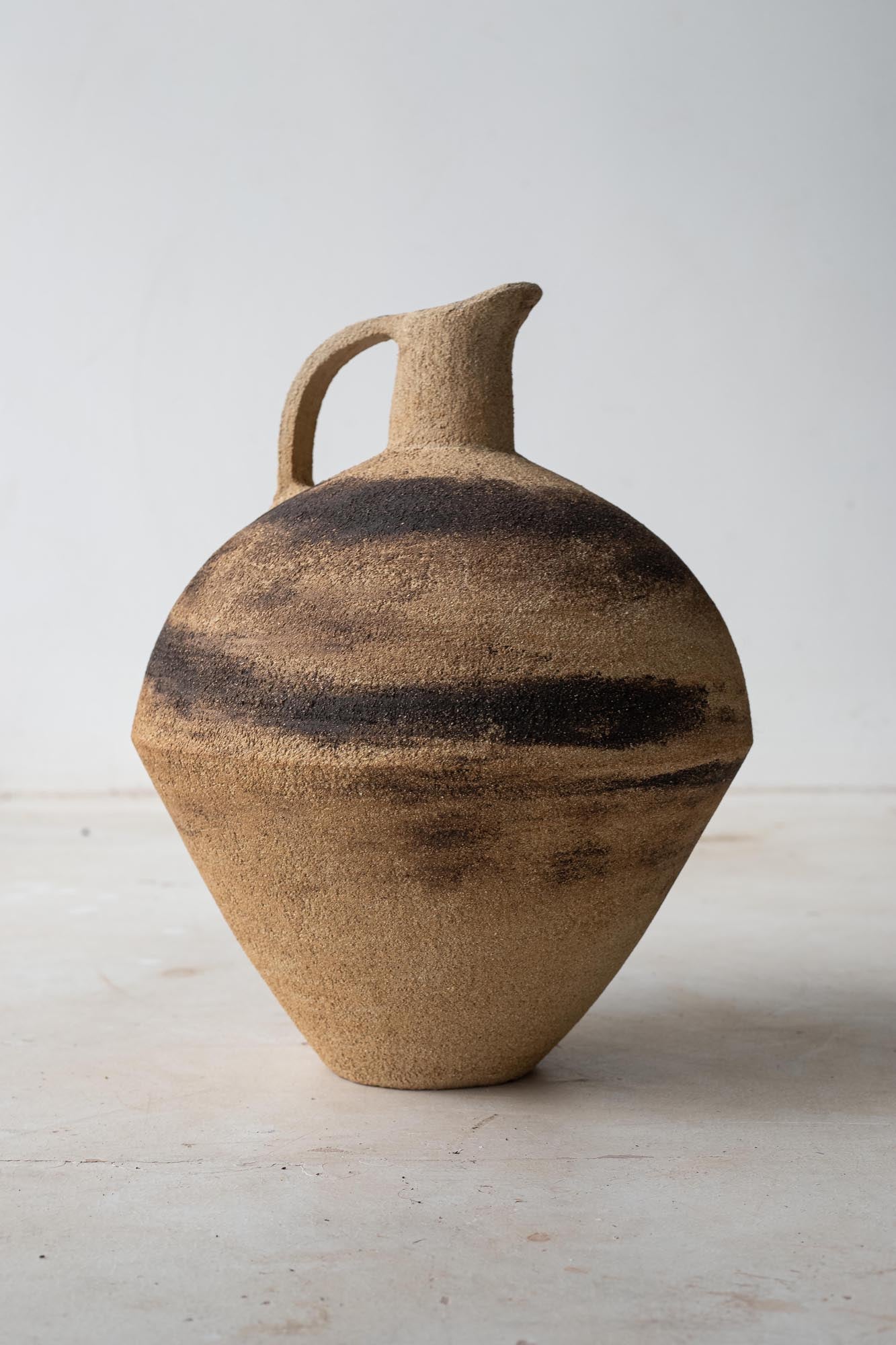
Ayse Habibe Kucuk’s practice embodies a different facet of the UK influence—one that celebrates patience, measured rhythm, and the lyrical line. The Aheste series, featured at Trove Gallery, is a study in elegant restraint. The word “aheste” evokes slowness and grace, and the name suits these sculptural vessels perfectly: they feel deliberately paced, resolved without haste, and tuned to the hush of careful making.
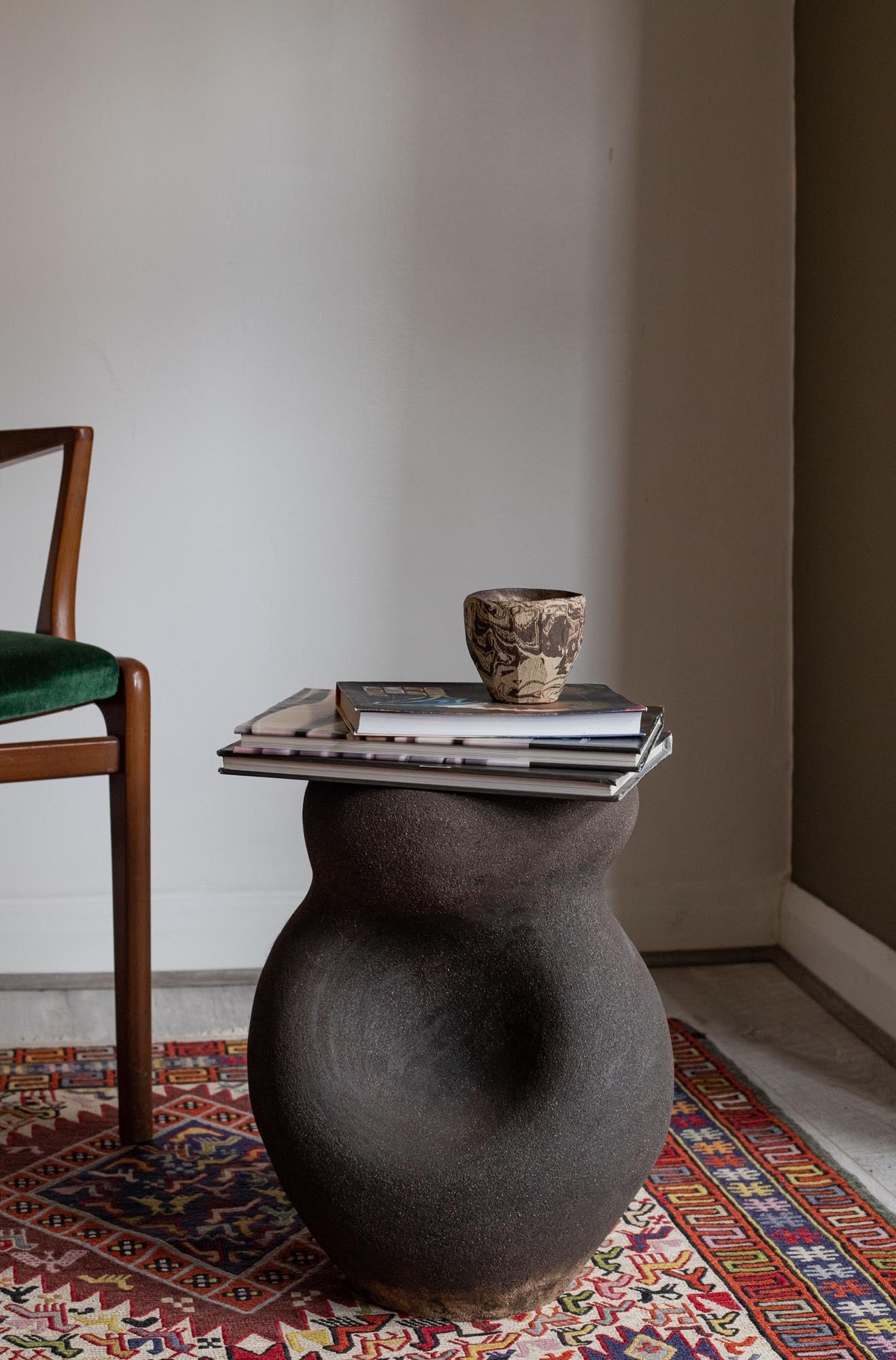
Consider Aheste 8 by Ayse Habibe Kucuk, offered at Trove Gallery at 2,551.00. The silhouette is confident but unforced—neither rigid nor loose—suggesting a vessel distilled to its purest lines. You notice how the curve gathers light, how the shoulder meets the neck in a whisper of tension, how the surface, with its refined tactility, invites touch even as it maintains sculptural poise. Pieces like this demonstrate why modern ceramics—rooted in the UK’s studio tradition—feel so alive: they carry the memory of the hand without leaning on overt ornament.
Its companion, Aheste 7, available at 3,631.00, offers a complementary presence. If Aheste 8 is a study in lyrical restraint, Aheste 7 leans into architectural poise. The proportions read as quietly monumental, with a grounded base and a poised ascent. Placed side by side, the two works create a dialogue about balance—mass and lift, convex and concave, shadow and sheen. Together, they form a sculptural pairing that elevates a console or alcove into a contemplative vignette.
Explore more from the artist’s body of work at Trove and discover how this series rewards close looking: Browse the Ayse Habibe Kucuk collection. For interiors that prize timelessness over trend, the Aheste vessels offer a focal point of sophisticated calm.
Material Language: Surface, Light, and the British Palette
One of the enduring contributions of the United Kingdom to modern ceramics is a refined sensitivity to materials—how clay, slip, and glaze register in natural light; how an edge catches a highlight; how a vessel’s posture frames a shadow. British ceramic art often favors nuanced palettes that do not shout across a room but deepen quietly with time and proximity.
In this material language, surface is not mere finish; it is a narrative. A matte skin can read as soft and textile-like, amplifying shadow and silhouette. A satin surface can lend subtle reflectivity, keeping the form legible while adding depth. Even a near-monochrome palette can be richly expressive when handled with the sort of restraint that UK studio traditions prize—allowing shape and proportion to take the lead.
Pieces like Ayse Habibe Kucuk’s Aheste 8 and Aheste 7 demonstrate how a limited palette can heighten the sculptural experience. Without distraction, your eye rests on the essential: the line of a rim, the lift of a shoulder, the movement from volume to void. Similarly, Noe Kuremoto’s work, often distilled to elemental forms, underscores how restraint can be generative rather than limiting—a way of making room for light and atmosphere to do their quiet work.
How to Live with Modern Ceramics: A Collector’s Guide
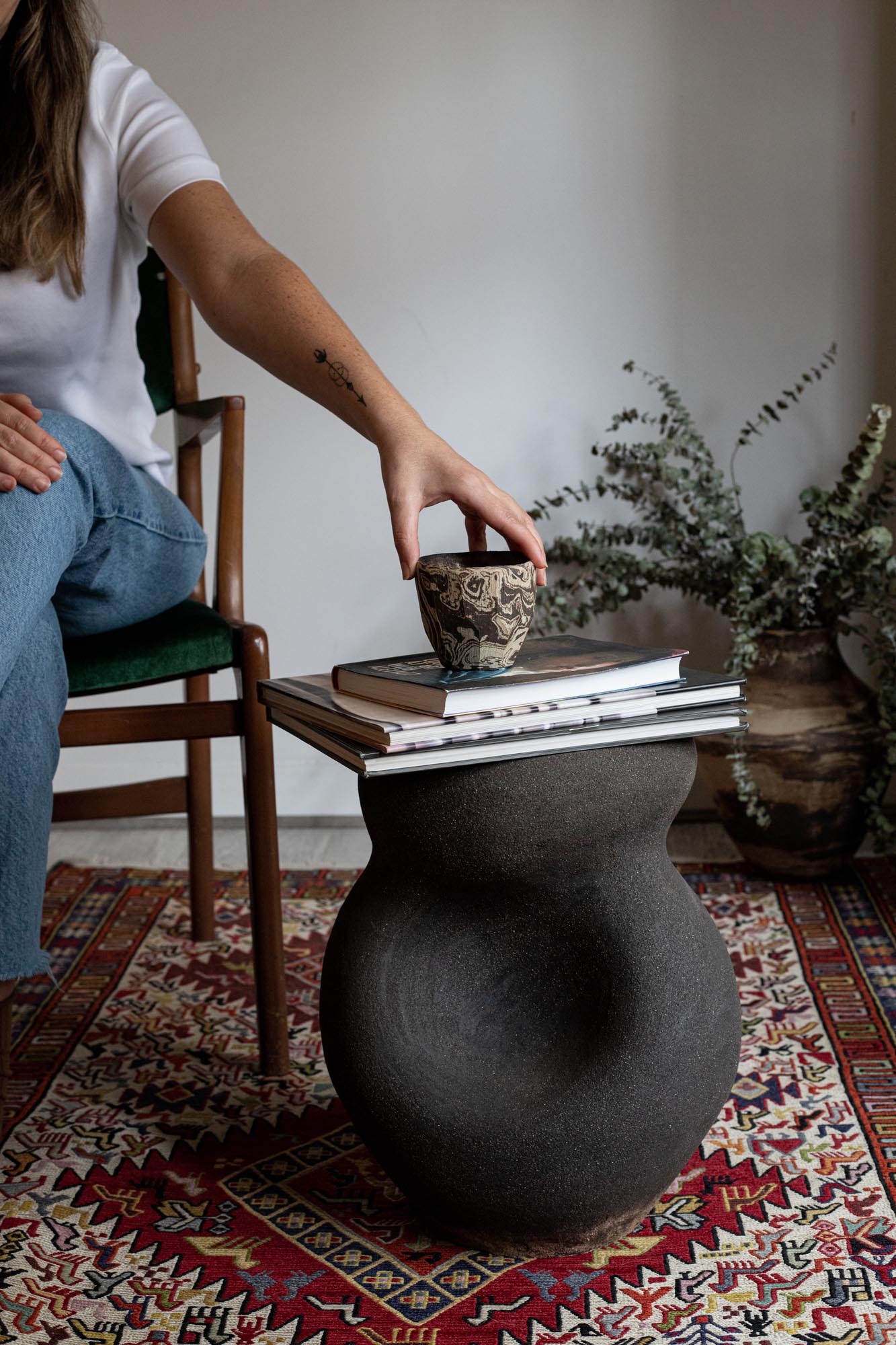
Collecting modern ceramics is an invitation to slow living. Unlike mass-produced decor, studio ceramics are not designed to be everywhere at once. They benefit from intentional placement—somewhere the light changes throughout the day, somewhere you can pass close by and notice the form anew. An entry console, an open bookshelf, a thoughtful niche by a window: these are settings that reward observation.
Consider scale and dialogue. A single sculptural vessel, such as Aheste 7, can act as a visual anchor. Pairing it with Aheste 8 creates a conversation between heights and contours, turning a surface into a living composition. When curating multiples, vary volumes and spacing to let negative space breathe—another hallmark of modern British sensibilities.
Care is part of the pleasure. Dust with a soft brush or cloth to keep surfaces pristine and tactile qualities intact. When moving a work, support from the base with two hands. Most importantly, give each piece the respect of attention. Over time, you will notice what modern ceramics do best: they settle your environment, clarifying a room with quiet presence rather than decoration alone.
Bring the Story Home
The influence of the United Kingdom on modern ceramics is not a matter of style alone; it is a philosophy of looking, making, and living. It values intention over excess, presence over spectacle, and the human hand as a measure of truth. Within this lineage, makers like Noe Kuremoto and Ayse Habibe Kucuk offer work that is both anchored and forward-looking—pieces that bring calm, clarity, and character to contemporary interiors.
If you are building a collection or seeking a single work to ground a room, begin with objects that speak softly yet stay with you. Explore Noe Kuremoto for forms that hold space with quiet strength. Discover Ayse Habibe Kucuk’s meditative vessels, including the sculptural Aheste 8 (2,551.00) and the poised Aheste 7 (3,631.00).
Bring the UK’s studio pottery legacy into your home with art that enriches daily life. Shop the featured works now, explore our maker collections, and start living with modern ceramics that will reward you for years to come. Add Aheste 8 to your collection, discover the architectural presence of Aheste 7, and continue your journey through Trove Gallery’s curated selection of contemporary ceramics.