The Complete Guide to organic modern Home Decor: Curating an Authentic Collection
What Defines organic modern Design
Organic modern design is a calm, sculptural approach to home decor that blends the clarity of modernism with the warmth and irregularity of nature. Think quiet lines, tactile materials, and forms that feel hand-shaped rather than digitally perfect. Where classic modernism prized industrial precision and glossy finishes, the organic modern style privileges touchable textures, softened geometry, and time-honored craft. The result is an interior language that is visually restrained yet sensorially rich—spaces that photograph beautifully and feel even better to live in.
Historically, organic modern design draws from multiple streams. Scandinavian modernism contributed the ethos of functional minimalism and honest materials. Japanese wabi-sabi contributed reverence for patina, asymmetry, and the beauty of imperfection. Mid-century modern established the structural simplicity that keeps rooms clean and uncluttered, while 1970s Northern California craft and Brazilian modernism introduced earthy tactility and sculptural silhouettes. In the late 2010s and early 2020s, the aesthetic matured as designers embraced sustainability, small-batch making, and natural finishes—elevating the movement from a trend into a timeless way of living.
Today’s organic modern aesthetic favors a grounded palette of mineral neutrals—stone grays, chalk whites, bone and sand—counterbalanced by warm undertones such as terracotta, sienna, and coral. Surfaces are matte or honed rather than glossy; wood grain, ceramic variation, and hand-forged metal are celebrated, not concealed. It is as much a discipline of restraint as it is an invitation to collect artful objects that carry the hand of the maker.
Key Elements and Characteristics
- Sculptural Simplicity: Pieces embrace clear silhouettes with softened edges and organic curves. Even rectilinear forms feel approachable thanks to rounded corners, eased profiles, or tactile finishes.
- Tactile, Honest Materials: Stoneware, linen, wool, oak, walnut, marble, glass, and patinated metals create a layered, touchable environment. Finishes are matte, honed, oiled, or raw; nothing feels overly lacquered.
- Nature-Derived Palette: Cool mineral neutrals—gray, charcoal, chalk, and stone—anchor the room, with controlled warmth via terracotta, coral, camel, and rust to keep spaces from feeling sterile.
- Asymmetry and Negative Space: Organic modern design leaves room to breathe. Vignettes favor balanced asymmetry, and furniture plans respect circulation and sight lines as essential design elements.
- Craft-Centered Provenance: Studio-made ceramics, glass, and lighting showcase subtle variation. The slight differences from piece to piece are a feature, not a flaw.
- Layered, Ambient Lighting: Soft, diffuse lighting (sconces, sculptural lamps, shaded fixtures) underscores texture and silhouette, preventing a flat, overlit atmosphere.
- Longevity in Form and Material: Pieces are chosen for timelessness and durability—heirloom-level construction and materials that wear in gracefully.
Color Palettes and Material Choices
Color in organic modern design is intentionally restrained. Instead of high-contrast statements, you compose with undertones—cool grays balanced by mineral warmth, or bone whites softened by clay and sand. Below are palette strategies you can trust.
- Stone and Ember: Cool gray, fog, and charcoal with ember-like accents (coral or sienna). Example: a gray console with a coral ceramic and smoked glass.
- Chalk and Clay: Chalk white, bone, and ecru paired with terracotta and camel. Perfect for bright rooms that need visual warmth without heaviness.
- Graphite and Linen: Graphite, blackened steel, and soft beige linen for a tailored, architectural look that still feels inviting.
- Marble and Earth: Honed marble (gray veining), sand-colored plaster, and oak or walnut. This trio balances refinement with warmth.
- Coastal Mineral: Mist, dove gray, and pebble with a touch of shell pink or coral for nuanced, seaside calm without cliché coastal blue.
Material cues are equally important. Choose:
- Ceramics and Stoneware: Prefer matte to satin glazes, visible throwing lines, hand-built ridges, and iron-rich tonal variation.
- Natural Woods: Cherry, oak, and walnut with oil finishes that highlight grain rather than conceal it. Avoid overly red or ultra-glossy stains.
- Stone and Marble: Honed over polished; veining should feel mineral and calm rather than showy. Pair with plaster or limewash for softness.
- Metals: Blackened steel, bronzed brass, and patinated finishes. Aged metal adds depth; mirror-polish can feel too slick.
- Textiles: Linen, wool, bouclé, and cotton in solids or very subtle textures. Patterns are minimal; interest comes from weave and hand.
Sample combinations for the home:
- Entryway: Honed gray marble console, blackened steel mirror, a coral-glazed ceramic sculpture, and a natural wool runner.
- Living Room: Ecru linen sofa, stoneware lamp with a bone shade, walnut side table, and a terracotta-toned throw.
- Dining: Ash table with an oiled finish, mouth-blown marbled glassware, and a matte ceramic centerpiece in cool gray.
Essential Pieces for the organic modern Home
The following Trove Gallery selections exemplify the organic modern aesthetic’s blend of craft, material integrity, and refined simplicity. Use them to anchor rooms and to layer sculpture, lighting, and functional art.
Artful Drinkware and Serveware
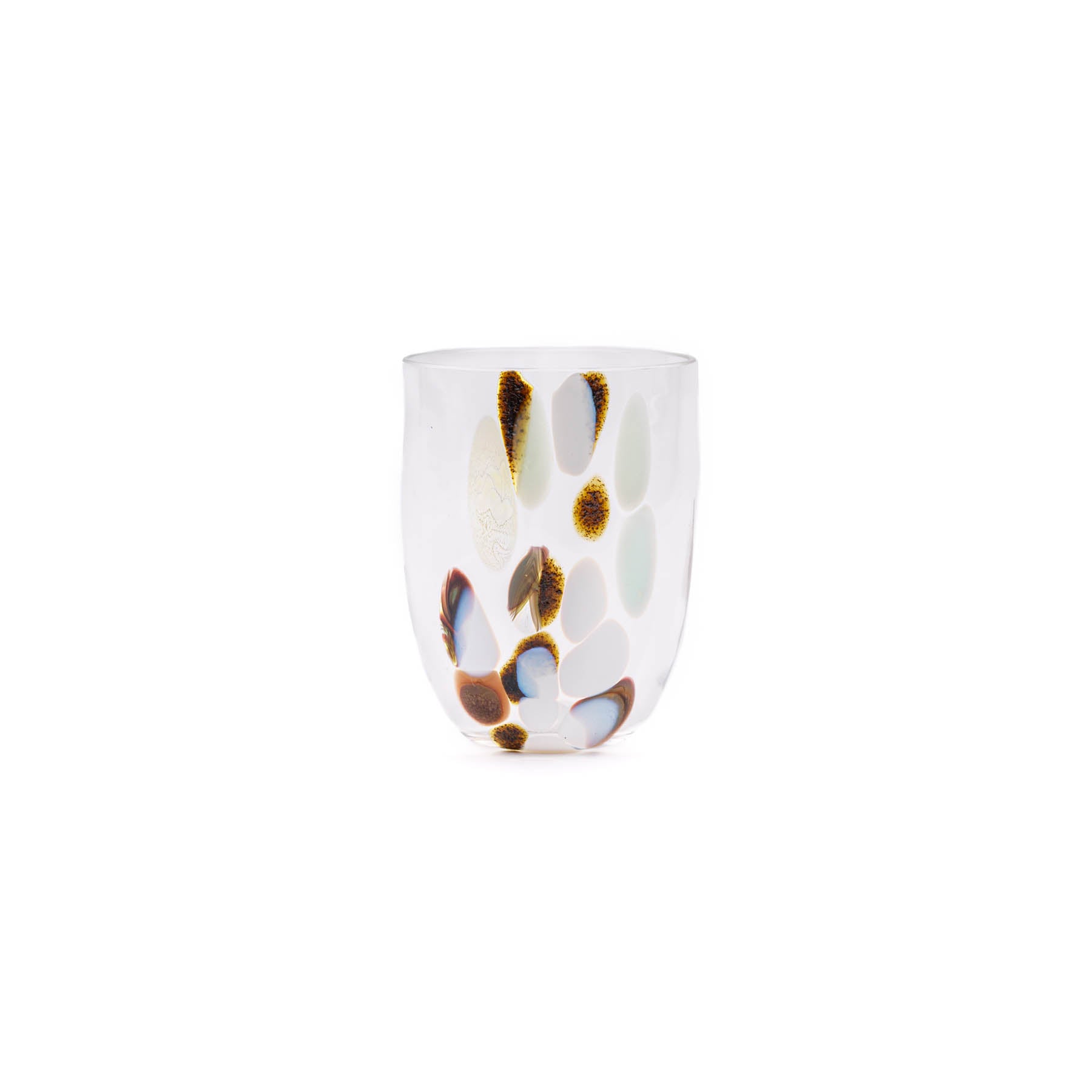
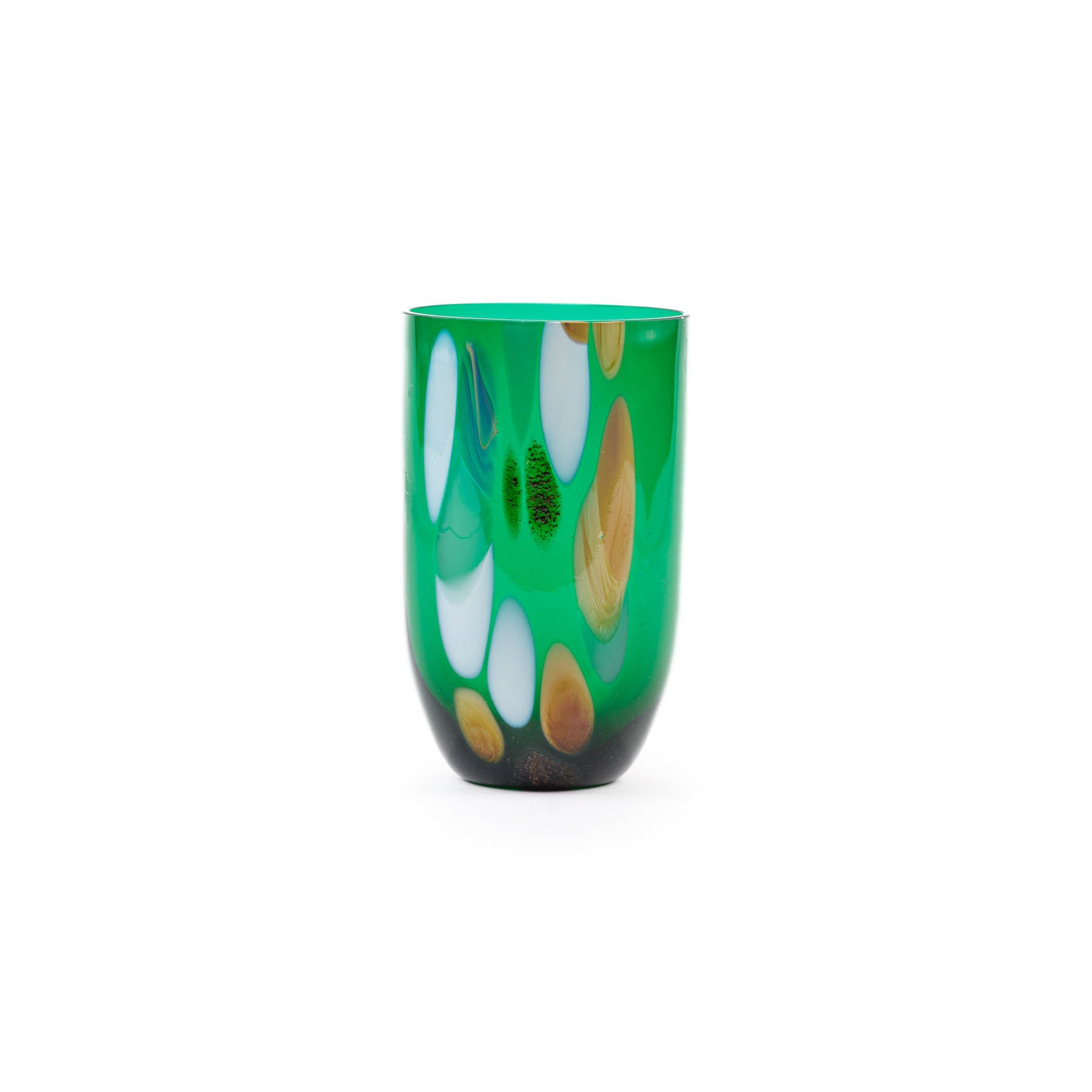
- Marble Tumblers (set of 6) — Mouth-blown marbled glass offers cool gray veining with a subtle ember accent, turning everyday hydration into a tactile ritual. Handle: marble-tumbler-set-of-6.
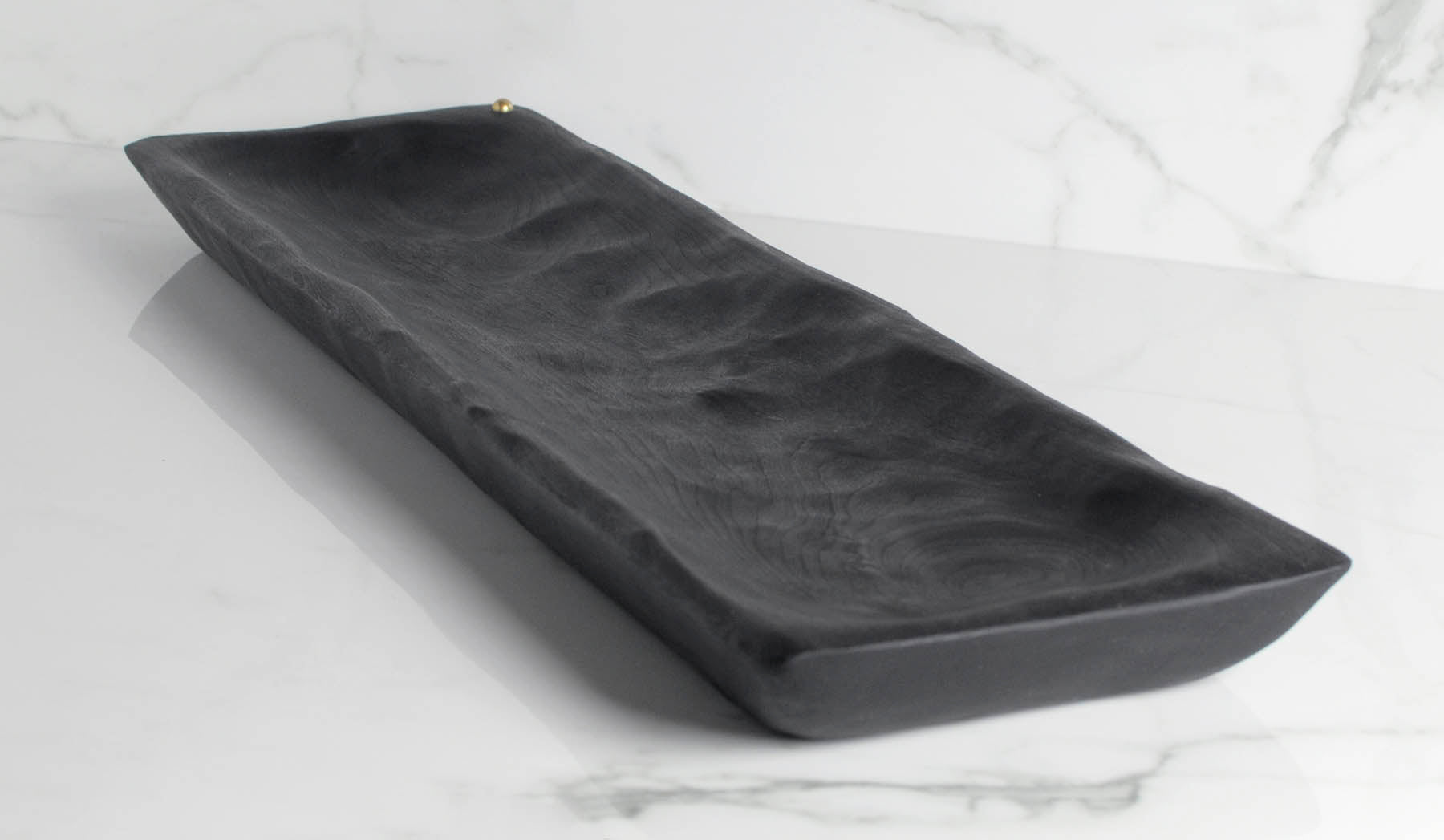
- Rectangle Cherry Tray — A hand-refined cherry wood surface with metal detailing provides warm grain and visual contrast for consoles or coffee tables. Handle: rectangle-cherry-tray.
Sculptural Ceramics and Objects
- Minophora — An asymmetric, hand-shaped ceramic with a matte-to-satin surface; its cool-gray field and coral accent embody mineral calm. Handle: minophora.
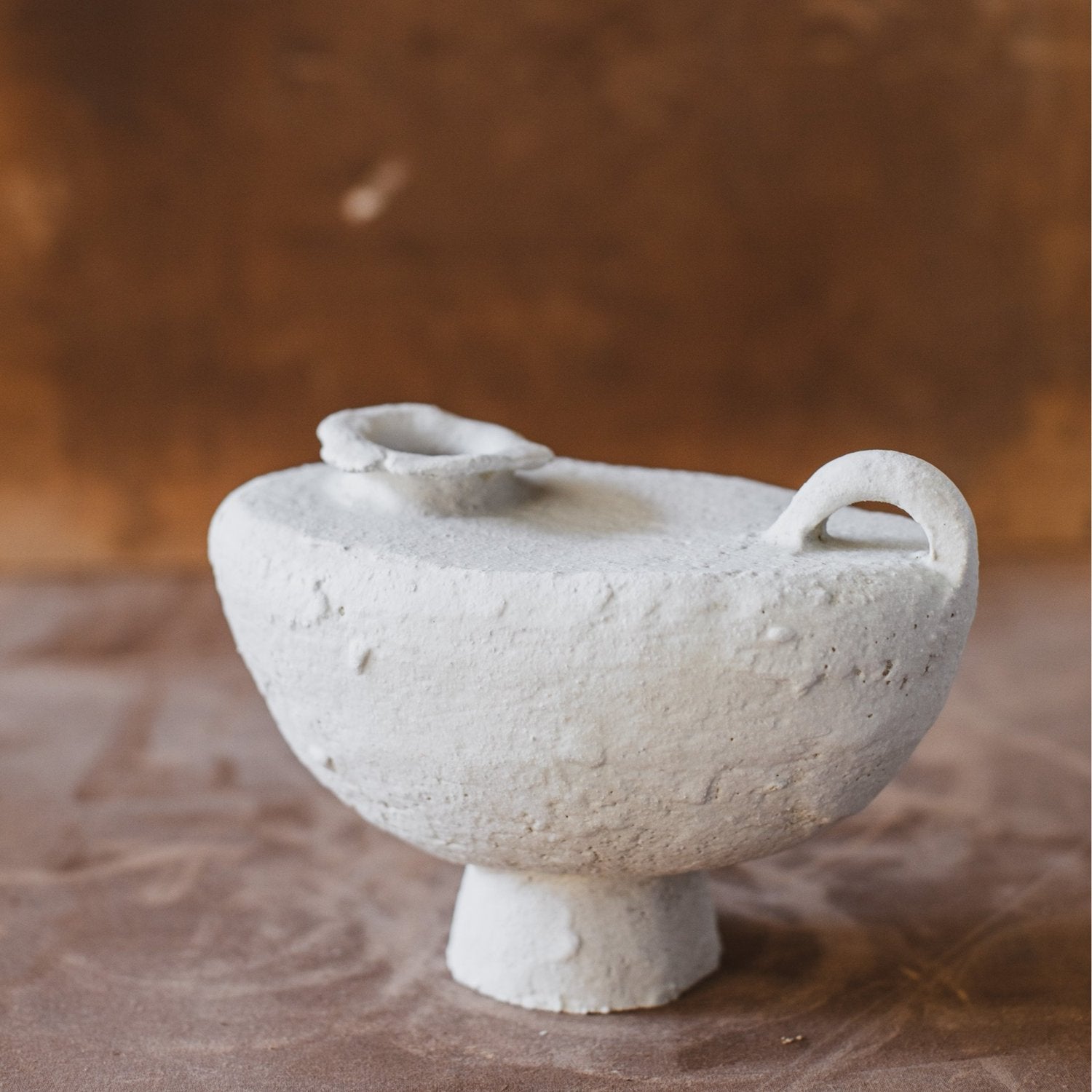
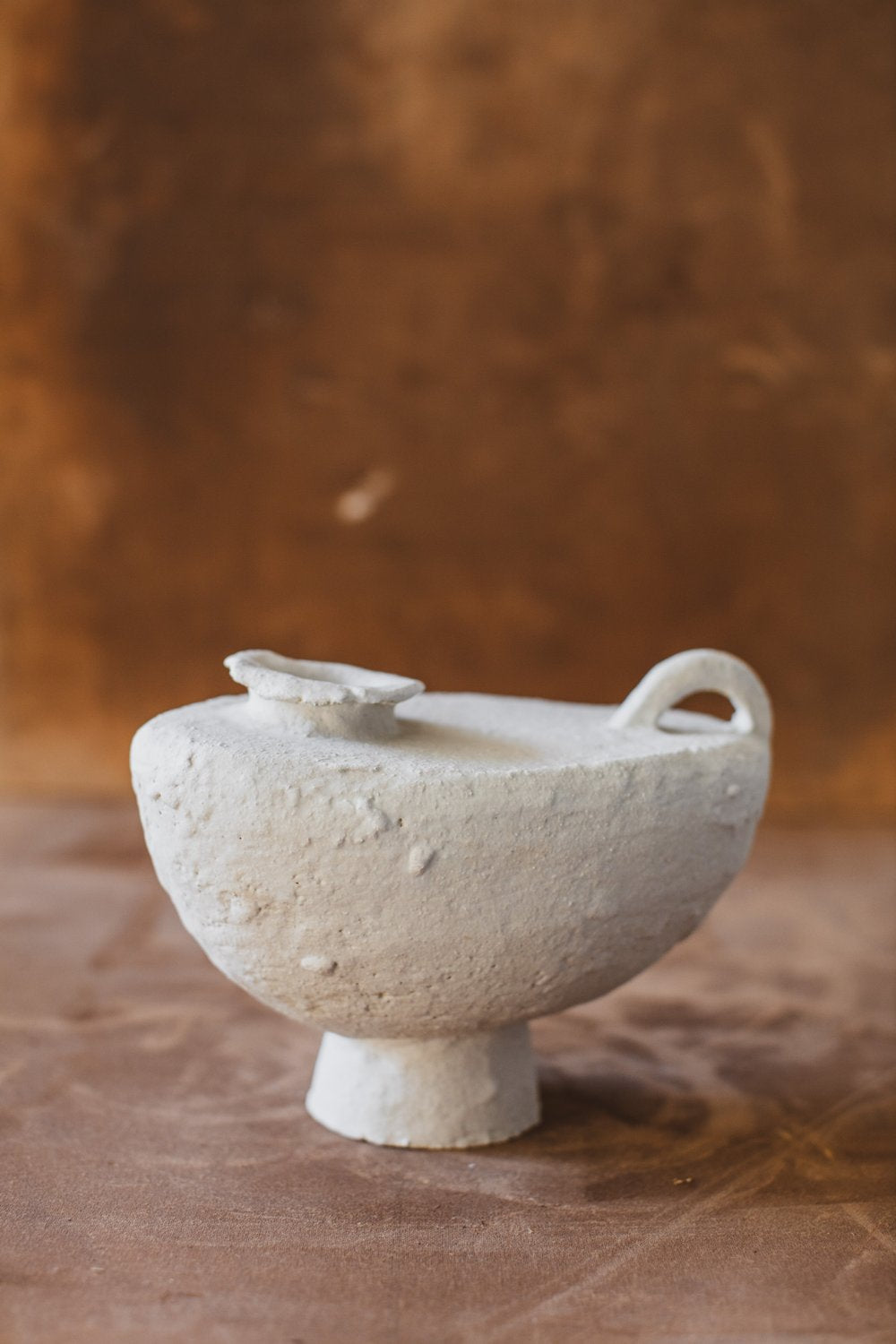
- White Half Moon Jug — Functional sculpture in hand-shaped porcelain with velvety warmth; a signature silhouette for consoles or dining. Handle: white-half-moon-jug.
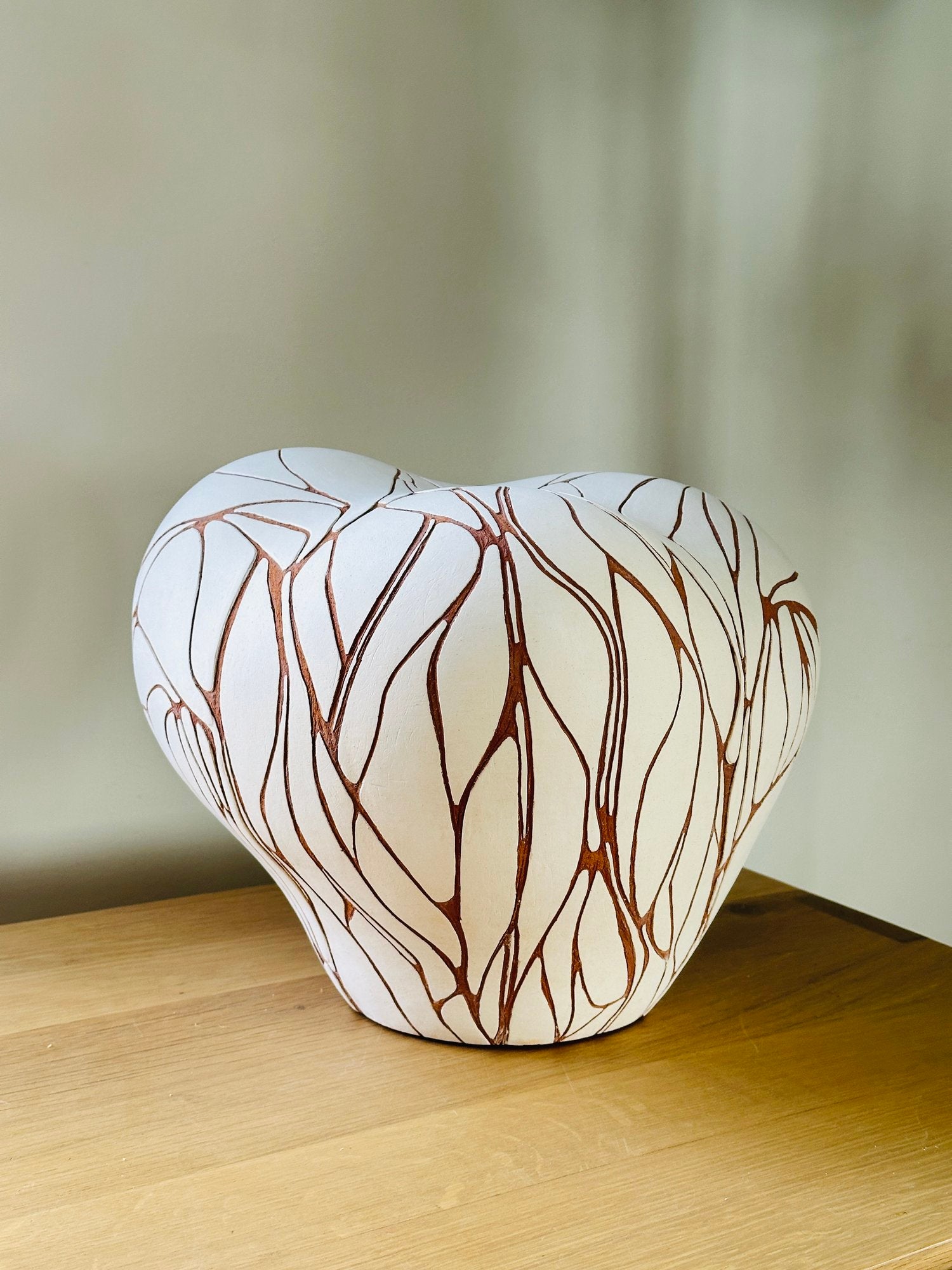
- Topography 16 — Stoneware relief with metal and marble detailing; a layered, shadow-casting artwork that grounds a wall or shelf. Handle: topography-16.
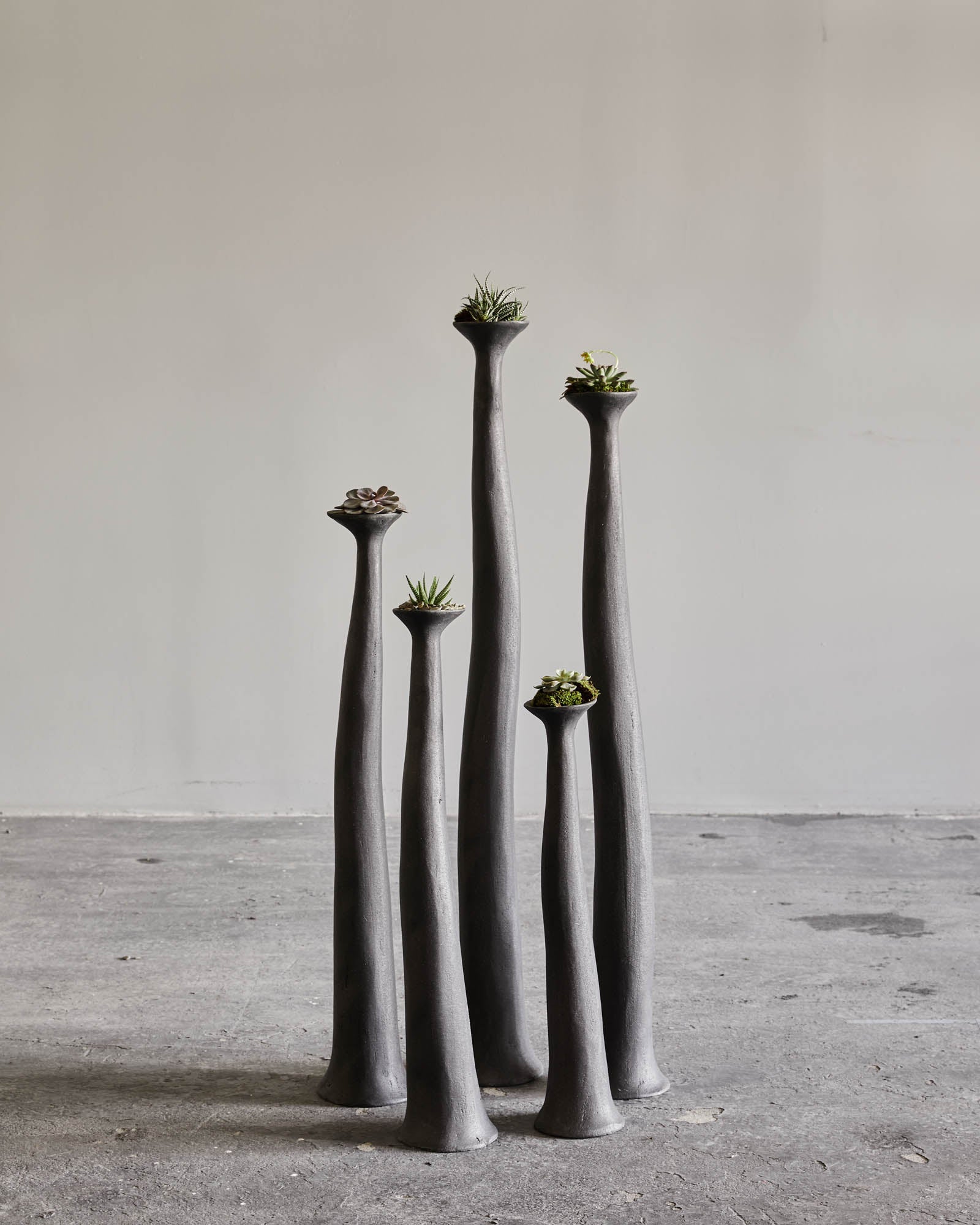
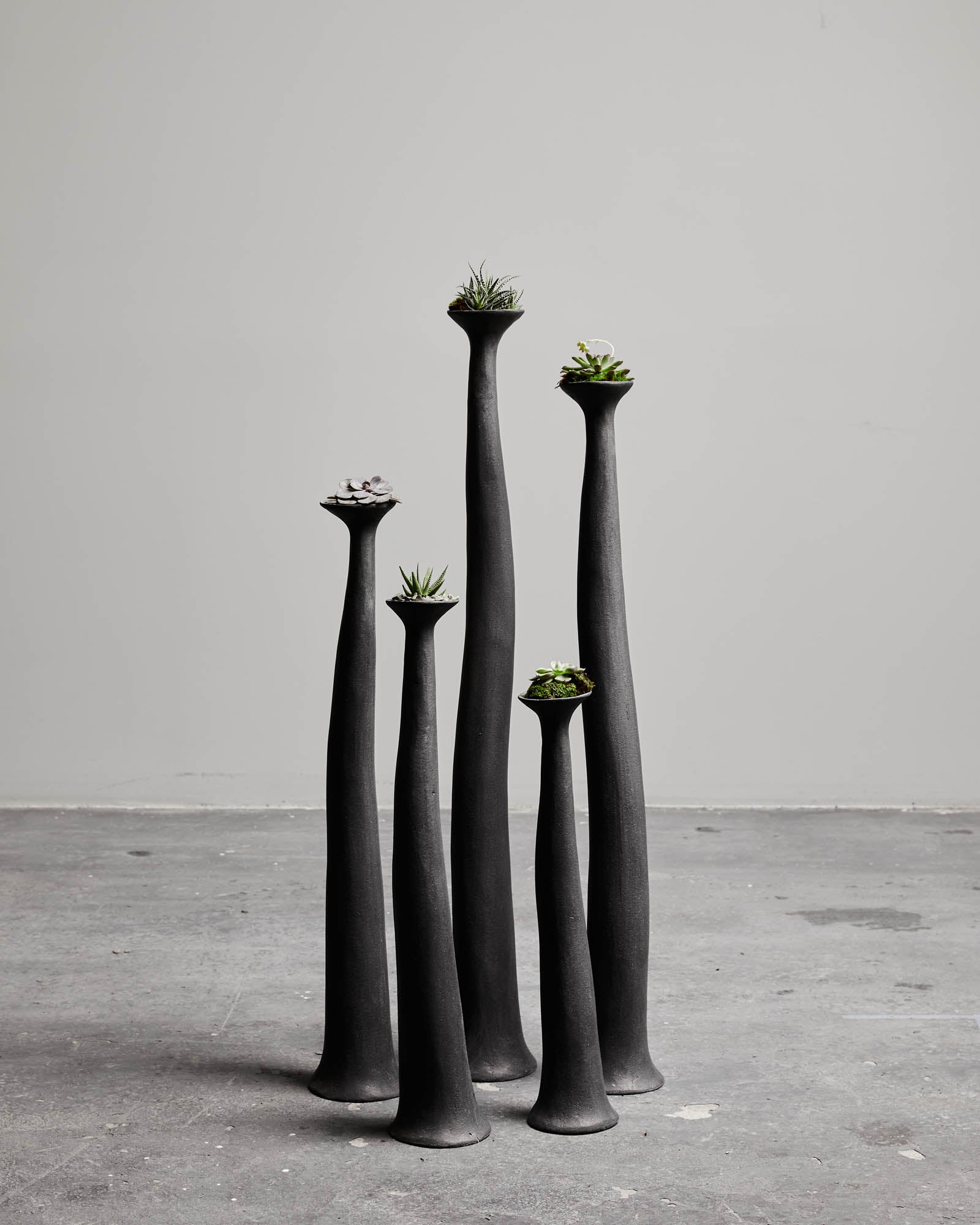
- Hoodoo Stacks (set of 5) — Modular concrete sculptures with organic variation; arrange them as rhythmic totems on a low cabinet or plinth. Handle: hoodoo-stacks.
- Black Terra — Studio-made ceramic with nuanced tonal shifts; its serene profile reads as sculpture from every angle. Handle: black-terra.
- Terra III — Stoneware with marble-influenced palette and a one-of-a-kind silhouette; perfect as a shelf focal point. Handle: terra-iii.
- Terra IV — A sister piece to Terra III, cool and architectural, ideal for pairing in asymmetrical arrangements. Handle: terra-iv.
- Ilianthos — Hand-formed ceramic in layered grays and beiges; invites light play and visual calm. Handle: ilianthos.
- Apeiro — Stoneware with iron-oxide variations and refined metal/marble detail; striking as vase or standalone sculpture. Handle: apeiro.
Lighting with Organic Presence
- Terra 02 — Hand-worked ceramic and glass with a soft gray/coral/red palette; a small-scale light that reads like sculpture. Handle: terra-02.
- Smara Lamp — High-fired stoneware with marble detail and a warm palette; an easy, human-scale layer of ambient light. Handle: smara-lamp.
- Luna Lamp 02 — Sculptural, hand-shaped ceramic lamp in orange–coral tones; a centerpiece that flatters skin tones and interiors. Handle: luna-lamp-02.
- Shell Sconce 01 — Stoneware shell with honed marble backplate; ridges create intimate, atmospheric glow. Handle: shell-sconce-01.
- Shell Sconce 02 — Coral-toned variant with marble backplate; place singly or as a pair to bookend artwork. Handle: shell-sconce-02.
- Distorted Moon 04 — Signature sculptural lamp with nuanced mineral tones; adds depth day and night. Handle: distorted-moon-04.
- Drape Wall Lamp — Hand-built stoneware with a draped effect; equal parts wall art and illumination. Handle: drape-wall-lamp.
- Leaning Impermanence Wall Lamp — A sculptural leaning form in brass and steel with leather detail; compelling even when unlit. Handle: leaning-impermanence-wall-lamp.
Surface and Furniture Anchors
- Smara Side Table — Stoneware and marble construction; an understated, artist-signed surface with tactile warmth. Handle: smara-side-table.
How to place them:
- Create an entry vignette with the Rectangle Cherry Tray, Minophora, and Shell Sconce 01. Use negative space; allow each piece to breathe.
- Flank a sofa with the Smara Side Table and Distorted Moon 04. The table’s material depth grounds the light’s sculptural glow.
- On a dining credenza, pair Topography 16 with Marble Tumblers and Black Terra for a tonal arrangement that blends function and art.
- On open shelving, alternate heights: Ilianthos beside Terra IV; White Half Moon Jug centered; Apeiro at the end for a quiet crescendo.
- Build a conversation area with Hoodoo Stacks on a plinth and Luna Lamp 02 nearby—organic silhouettes speaking across the room.
How to Mix organic modern with Other Aesthetics
The organic modern style is inherently versatile. When mixing, prioritize material continuity, restrained color, and sculptural balance. Here are proven pairings:
- Scandinavian Minimalism: Keep the palette pale (chalk, bone, soft gray). Introduce a single warm ceramic—Shell Sconce 02 or White Half Moon Jug—to counterbalance cool woods and clean lines.
- Japandi: Double down on simplicity. Choose blackened steel details and walnut or oak. Add Topography 16 for quiet texture and a honed finish that complements shoji-like diffusion.
- Brutalist: Soften mass with tactility. Hoodoo Stacks align with Brutalism’s structural honesty while Marble Tumblers and Smara Lamp bring warmth to offset concrete and steel.
- Coastal Contemporary: Avoid nautical clichés. Use mineral grays and pebble tones, then layer coral accents via Luna Lamp 02 or Terra 02. Keep woods light but oiled, not whitewashed.
- Modern Traditional: Let sculptural ceramics refresh classic millwork. The Drape Wall Lamp reads as an art piece, while Rectangle Cherry Tray introduces heritage material without heaviness.
- Industrial Loft: Replace high-shine with honed surfaces. Pair blackened metal shelving with Ilianthos and Apeiro; anchor with Distorted Moon 04 for ambient warmth.
Purist vs. Modern Interpretations
- Purist Organic Modern: A narrow mineral palette; matte finishes; fewer, larger forms. Think Smara Side Table, Topography 16, and Black Terra grouped with ample negative space.
- Modern/Lived-In Organic Modern: Slightly broader color, layered lighting, and functional art that you use daily—Marble Tumblers on display, Rectangle Cherry Tray catching keys, Shell Sconces softening hallways.
Mixing rules of thumb:
- Limit color to a three-hue family: a cool neutral, a warm undertone, and a dark grounding tone.
- Repeat materials at least twice—stoneware in two locations, marble in a table and a sconce backplate—to create cohesion.
- Balance visual weight: for every dense object (concrete, blackened metal), add a light-toned or translucent element (marbled glass, bone linen).
Common Misconceptions to Avoid
- “It’s just beige minimalism.” Organic modern design isn’t about beige; it’s about mineral nuance and tactile contrast. Cool grays, chalk whites, and charcoal are just as central as warm clay tones.
- “Rustic equals organic.” Rough-hewn or distressed finishes aren’t required. The style celebrates refinement and craft just as much as nature.
- “Gloss is forbidden.” While matte dominates, a controlled sheen—satin glazes, polished metal accents—can heighten contrast when used sparingly.
- “Everything must match.” Cohesion comes from materials and proportion, not identical sets. One-of-a-kind variations are the point.
- “It’s impractical.” Stoneware, honed stone, and oiled woods wear in gracefully. Choose durable materials and live with them; patina adds character.
- “Empty equals elegant.” Negative space matters, but warmth comes from lived-in touches—books, a tray in daily use, and glassware on open shelves.
Building an Authentic organic modern Collection
Start with intention. The organic modern aesthetic rewards clarity of palette and a thoughtful blend of function and sculpture. Begin by defining your core neutrals (stone gray, chalk white, or bone), then choose a single warm undertone (terracotta, coral, or camel) to repeat in small doses. Invest in pieces with craftsmanship you can see—thrown lines in a vase, honed stone surfaces, and studio signatures that attest to provenance.
Layer in tiers:
- Anchor Forms: One or two substantial silhouettes to set the tone—a side table, a large lamp, or a modular sculpture.
- Lighting: At least two sources of ambient light that create dimension at night. Wall sconces and sculptural table lamps are ideal.
- Functional Art: Ceramics, trays, and mouth-blown glass you’ll use daily; these bring warmth and authenticity.
Placement and proportion matter. Leave air around each object, particularly sculptural ceramics—resist the urge to crowd. Use odd-numbered groupings for small vignettes and pair a tall object with a lower, wider one to create gentle rhythm. Where possible, vary surfaces: set matte stoneware on wood, place glass on stone, and counterbalance blackened metal with light linen or plaster.
Care and longevity are part of the ethos. Oiled woods can be refreshed, honed stone can be resealed, and studio ceramics should be handled with care but not fear—daily use is encouraged. Over time, these pieces develop the kind of subtle patina that underlines organic modern design’s connection to the natural world.
Starter Shopping List
Investment Pieces (choose three to anchor your space):
- Hoodoo Stacks (set of 5) — A sculptural centerpiece that establishes scale and rhythm. Handle: hoodoo-stacks.
- Drape Wall Lamp — Wall art and light in one, textural and timeless. Handle: drape-wall-lamp.
- Topography 16 — A shadow-rich stoneware relief that quietly commands attention. Handle: topography-16.
Accent Pieces (choose three to layer function and warmth):
- Marble Tumblers (set of 6) — Everyday ritual glassware with organic marbling. Handle: marble-tumbler-set-of-6.
- Rectangle Cherry Tray — A grain-forward catchall for entry or coffee table. Handle: rectangle-cherry-tray.
- Black Terra — A versatile, sculptural ceramic to ground a shelf or console. Handle: black-terra.
Room-by-Room Strategy
- Living Room: Begin with Smara Side Table for an artisan anchor. Add Distorted Moon 04 for ambient light and pair with Terra III to create a graduated vignette on the media console.
- Dining: Let White Half Moon Jug or Apeiro serve as a daily centerpiece on a honed stone or oiled wood table. Flank with Marble Tumblers for a casual, artful tablescape.
- Hallway: Use Shell Sconce 01 or Shell Sconce 02 in pairs. Install above a slim console topped with Ilianthos for a sculptural welcome.
Scaling Your Collection
- Commit to a base palette and repeat it from room to room—this allows you to collect slowly without losing cohesion.
- Alternate densities: For every substantial piece (concrete, marble), echo with something lighter (glass, linen) nearby.
- Rotate seasonally: Swap a coral piece for a clay-toned one, or move a lamp to a darker corner to re-balance the room without new purchases.
Above all, choose pieces that feel calm in your hand and grounded in their making. That is the heart of organic modern design: enduring forms, honest materials, and rooms that invite you to slow down, notice the light, and live with art—every day.
Shop Organic Modern Objects at Trove
Explore our curated collections of handcrafted organic modern pieces:
- Ceramics — Handcrafted ceramic vessels, vases, and sculptural objects
- Sculptures — Unique sculptural art pieces for curated interiors
- Furniture — Curated furniture pieces with timeless design
What Is Organic Modern Style?
Organic modern style is an interior design philosophy that fuses the clean lines and uncluttered geometry of mid-century modernism with the warmth, imperfection, and tactility of natural materials. Where traditional modern interiors can feel austere, and purely natural interiors can feel rustic, organic modern achieves a third path: a calm, contemporary space where architecture steps back and handcrafted objects, raw wood, unpolished stone, and woven fibers take center stage. It is a style defined less by a fixed vocabulary of shapes than by a sensibility — a preference for honest materials, restrained silhouettes, and rooms that breathe.
At its core, organic modern draws from three lineages. First, mid-century modernism, with its faith in functional form and its dialogue between indoors and outdoors. Second, Scandinavian and Japanese design traditions, which prize craftsmanship, negative space, and the quiet beauty of wood and paper. Third, biophilic design, the contemporary movement that argues human well-being depends on contact with natural materials, light, and living things. When these three influences meet, you get rooms that feel architectural and alive at the same time — airy but grounded, sculptural but soft.
A truly organic modern home is recognizable instantly: low-slung furniture in walnut or oak, a linen sofa you can sink into, a hand-thrown ceramic vessel on a travertine table, and a single branch in a stoneware vase catching morning light.
Materials for Organic Modern Design
Material selection is the heart of organic modern interiors. The style rewards restraint in color and form precisely because it asks so much of its materials. Every surface should reveal its origins, age gracefully, and change as light moves through a room. Below is a closer look at the five material families that define the style and how to choose well within each.
Natural Wood
Wood is the backbone of organic modern rooms. Walnut delivers the quintessential mid-century warmth, its dark chocolate grain pairing beautifully with bone linens and pale ceramics. Oak, whether white or European, feels lighter and more architectural, ideal for Scandinavian-leaning spaces. Ash brings an almost blond openness, while teak adds tropical depth and weathers with exceptional grace. Choose solid wood over veneers when budgets allow, and favor oil finishes over high-gloss lacquers so the grain stays tactile and alive.
Stone
Stone provides weight and permanence against all that softness. Travertine, with its pitted, honey-colored surface, is the signature organic modern stone — used for coffee tables, side tables, and sculptural plinths. Limestone offers a chalkier, more matte cousin, perfect for larger slab applications. Marble, used sparingly and in honed rather than polished finishes, introduces veining and drama. Avoid anything too glossy or commercial; the goal is stone that looks quarried, not manufactured.
Raw Ceramics
Handcrafted stoneware and unglazed pottery bring the human hand into the room. Look for sculptural vessels with visible throwing marks, irregular rims, and matte or lightly speckled glazes in earth tones. A single oversized vessel on a console can anchor an entire room. Browse artisan ceramics at Trove or our ceramic art objects guide for selection and care.
Linen and Natural Textiles
Linen is the quiet hero of organic modern rooms — wrinkled, breathable, and forgiving. Layer it on upholstery, curtains, and bedding in bone, oatmeal, and mushroom tones. Wool bouclé works beautifully on accent chairs, while raw silk and hemp add subtle sheen. Avoid synthetics and anything shiny; textiles here should feel slightly imperfect and age visibly over time.
Rattan and Woven Materials
Rattan, cane, and woven grass introduce texture and shadow. A cane-backed lounge chair, a woven pendant, or a rattan room divider softens hard architectural lines and filters light beautifully. Keep woven pieces intentional rather than decorative — one or two hero items per room is enough to do the work.
Color Palette for Organic Modern Homes
The organic modern palette takes its cues from a walk through the woods at golden hour. Start with warm neutrals — bone, cream, mushroom, and sand — as your foundation colors. These are the whites and beiges that have weight and undertone, never sterile or blue-cast. Apply them to walls, large upholstery, and oversized rugs to build a calm backdrop that lets materials speak.
Layer in earth tones as your mid-range notes. Terracotta, ochre, burnt sienna, and deep olive all read as natural pigments rather than decorator colors. These work beautifully on accent chairs, throw blankets, artwork, and ceramics. Then add quiet accent colors with botanical restraint: sage, forest green, charcoal, and rust. These punctuate without shouting and feel drawn from the landscape rather than a paint deck.
What to avoid: cool grays, stark bright whites, and anything labeled "millennial" anything. Cool grays drain the warmth that makes organic modern feel like a refuge; stark whites fight the honey tones in travertine, oak, and linen. If you want contrast, reach for deep charcoal or true black rather than cold gray.
Room-by-Room Organic Modern
Living Room. Start with a generous linen or bouclé sofa in a warm neutral, anchored by a travertine or oak coffee table. Layer in one sculptural lounge chair — cane, leather, or shearling — and a large handwoven rug in wool or jute. Top the table with a single oversized ceramic vessel and a stack of art books. Lighting should come from a sculptural floor lamp and a table lamp with a linen shade; avoid overhead recessed lighting whenever possible.
Bedroom. The organic modern bedroom is a monastic retreat. Choose a low-profile bed in oak or walnut, dress it in washed linen in bone or oatmeal, and add a single wool throw in a deeper earth tone at the foot. Flank the bed with asymmetric nightstands — one might be a small stone plinth, the other a hand-thrown ceramic pedestal. A woven pendant or paper lantern softens the overhead light. Leave walls mostly bare; one large abstract work or a single vintage textile is enough.
Dining Room. The dining table is the room's hero — a solid slab of oak, walnut, or live-edge wood, surrounded by mismatched chairs that share a wood tone or upholstery fabric. Center the table with a low sculptural vessel rather than tall florals. For lighting, a sculptural pendant or a cluster of artisan pendants creates intimacy without blocking sightlines. A sideboard in the same wood family holds ceramics and glassware for display and everyday use.
Frequently Asked Questions
What is organic modern style?
Organic modern style is a contemporary interior design approach that combines the clean lines of mid-century modernism with natural materials, biophilic elements, and handcrafted objects. It favors warm neutrals, honest materials like wood, stone, and linen, and an uncluttered aesthetic that feels both architectural and alive.
What are the materials used in modern organic interior design?
The core materials are natural wood (walnut, oak, ash, teak), stone (travertine, limestone, honed marble), raw ceramics and stoneware, linen and natural textiles (wool, bouclé, hemp), and woven materials like rattan and cane. The emphasis is on unfinished, tactile surfaces that age beautifully.
What kind of shades should I use for a modern organic house?
Build on warm neutrals like bone, cream, mushroom, and sand, then layer earth tones such as terracotta, ochre, and deep olive. Add botanical accents in sage, forest green, or charcoal. Avoid cool grays and stark whites, which work against the warmth of natural materials.
What is the difference between organic modern and mid-century modern?
Mid-century modern emphasizes manufactured forms, bold color, and the clean geometry of the 1950s and 60s. Organic modern borrows the silhouettes but softens everything — using raw materials over finished ones, muted earth tones over saturated color, and handcrafted objects over mass production.
How do you create an organic modern home?
Start with warm neutral walls and one or two solid wood hero pieces. Layer in linen upholstery, a single stone surface, handcrafted ceramics, and a woven element. Edit ruthlessly, choose materials that will age gracefully, and let negative space and natural light do half the work.
Featured in This Guide
Marble Tumblers (set of 6)
Rectangle Cherry Tray


Minophora
White Half Moon Jug
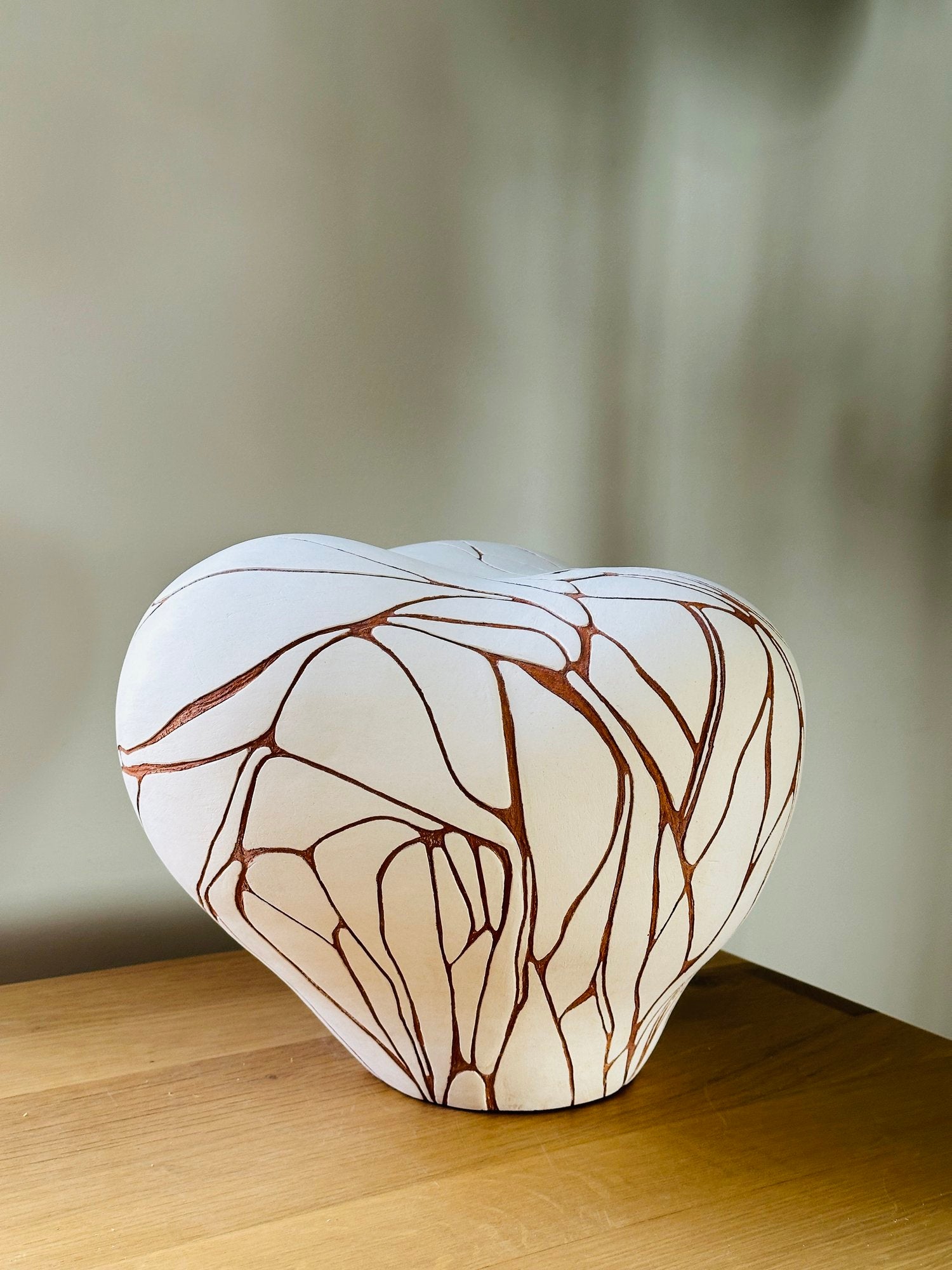
Topography 16