The German Influence: Shaping Modern Ceramics
Why the German influence still matters in modern ceramics
Modern ceramics owes an enduring debt to Germany. Across centuries, German makers and schools have treated clay not simply as a material, but as a system of thought—where discipline meets feeling, and where restraint opens surprising avenues for expression. This tradition runs like a quiet current through contemporary studios: impeccable lines, honest surfaces, thoughtful proportions, and a deep respect for the relationship between form and use.
At Trove Gallery, we see this lineage in the way our community of artists approach their work, guided by clarity and purposeful simplicity. The result is not minimalism for its own sake, but a refined sensibility that allows each piece to earn its place in your home. In the best German tradition, nothing is ornamental without reason; everything holds its shape in service to beauty and life.
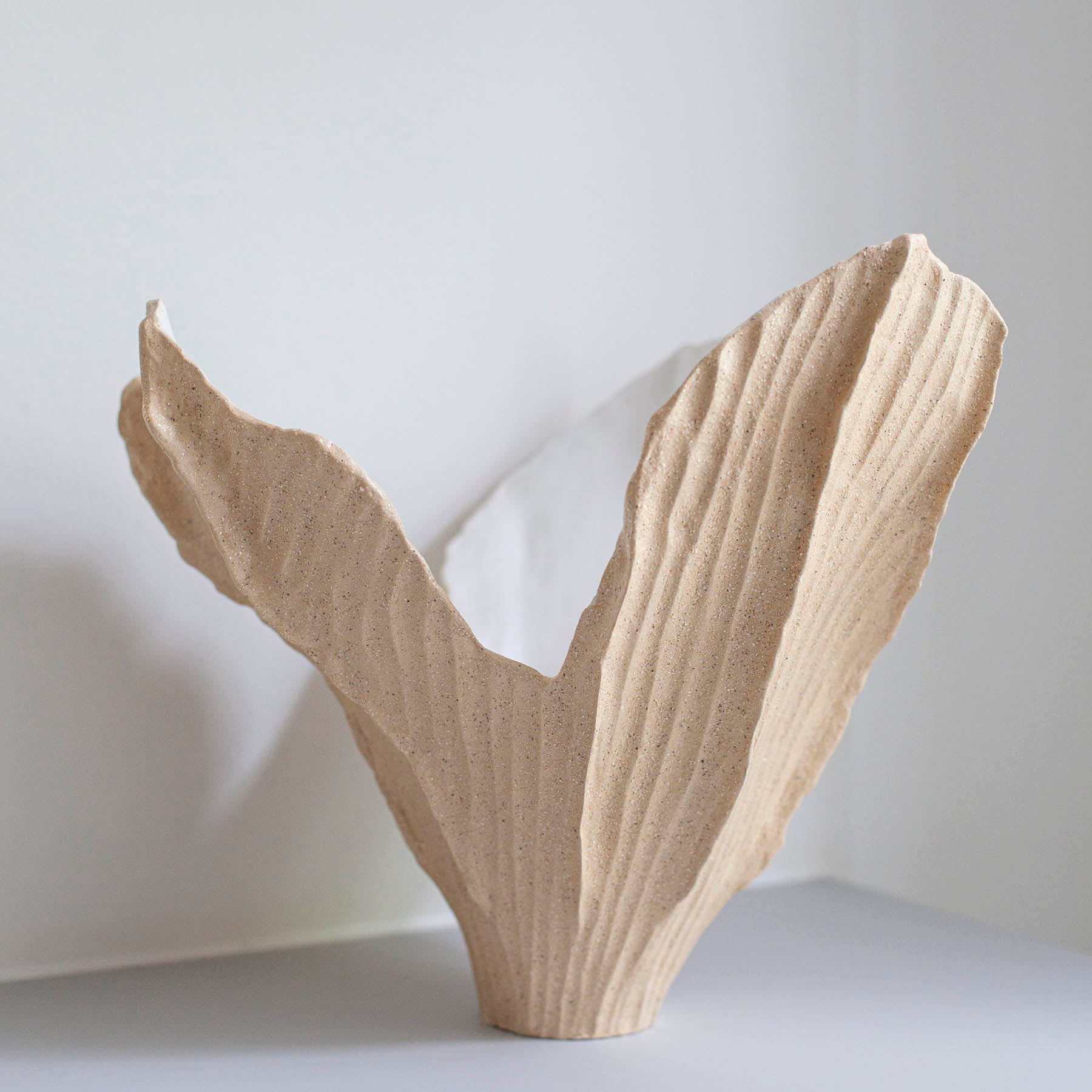
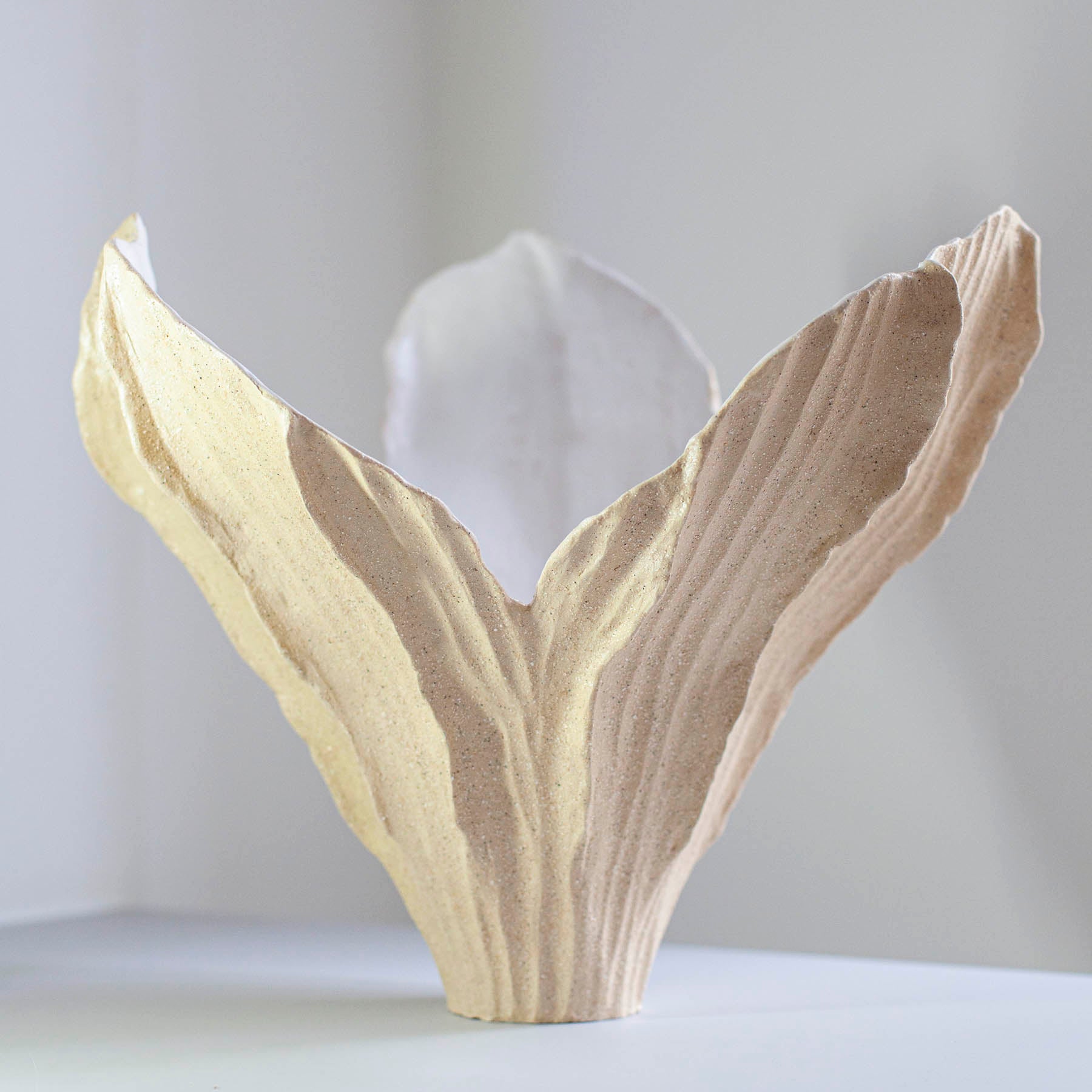
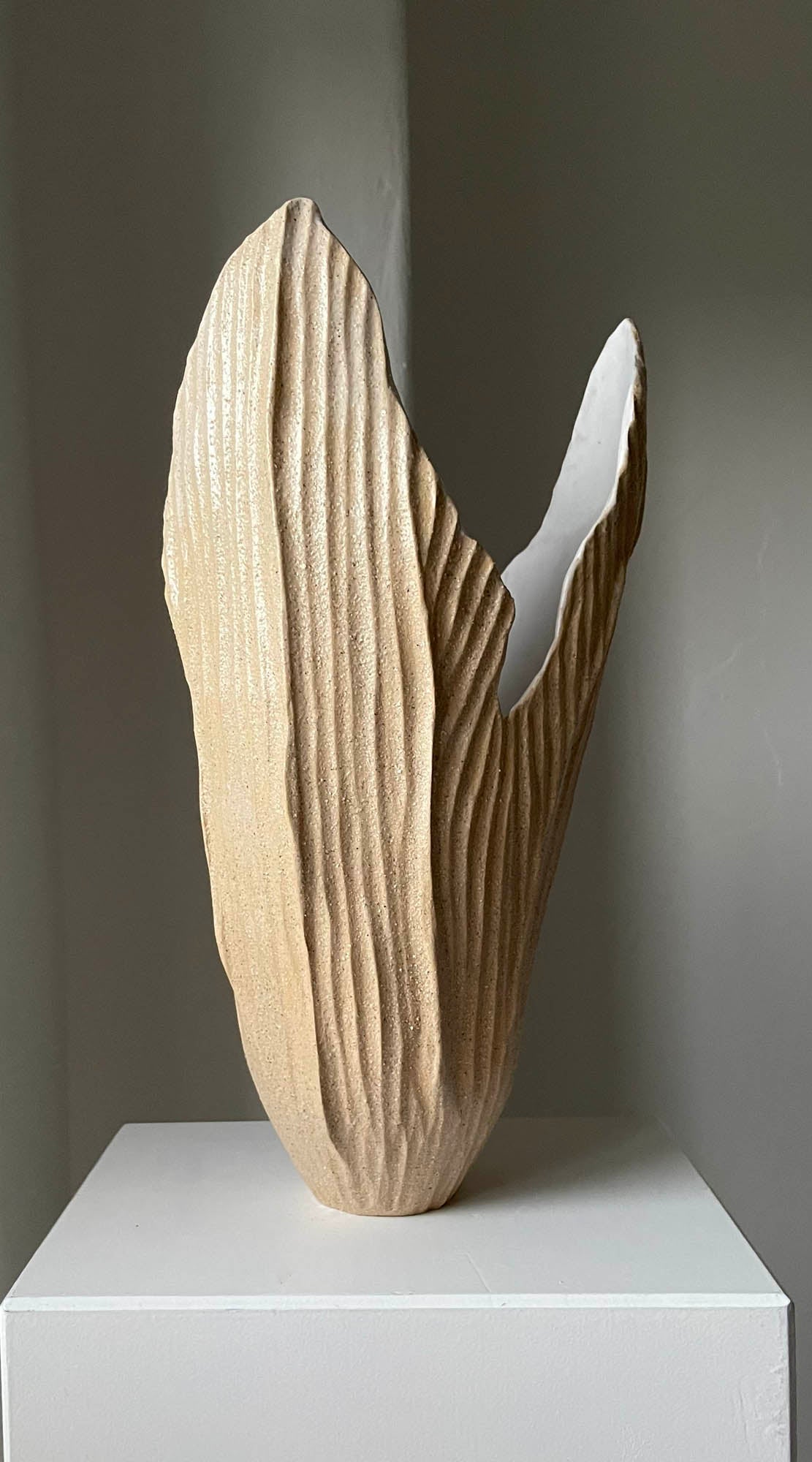
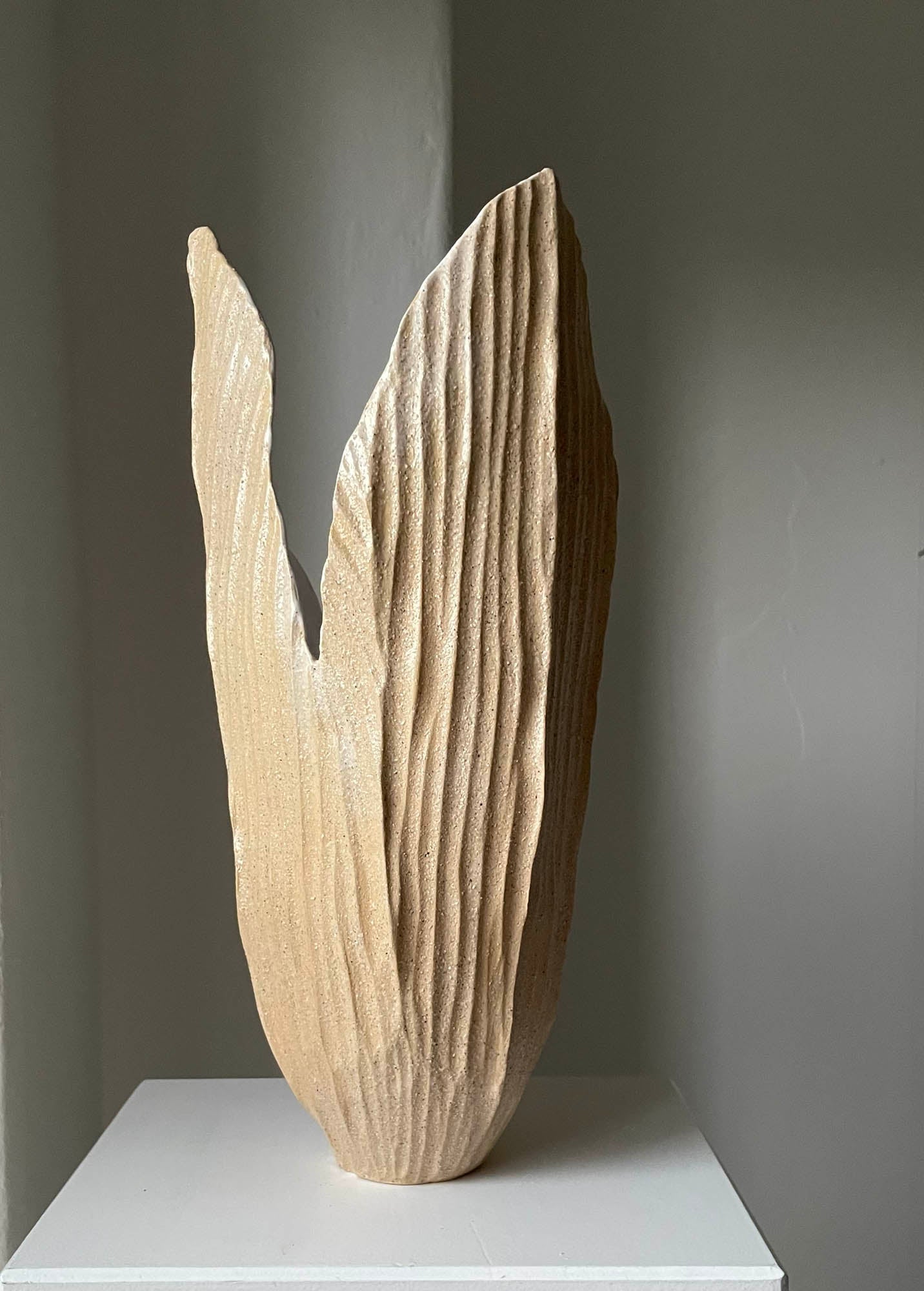
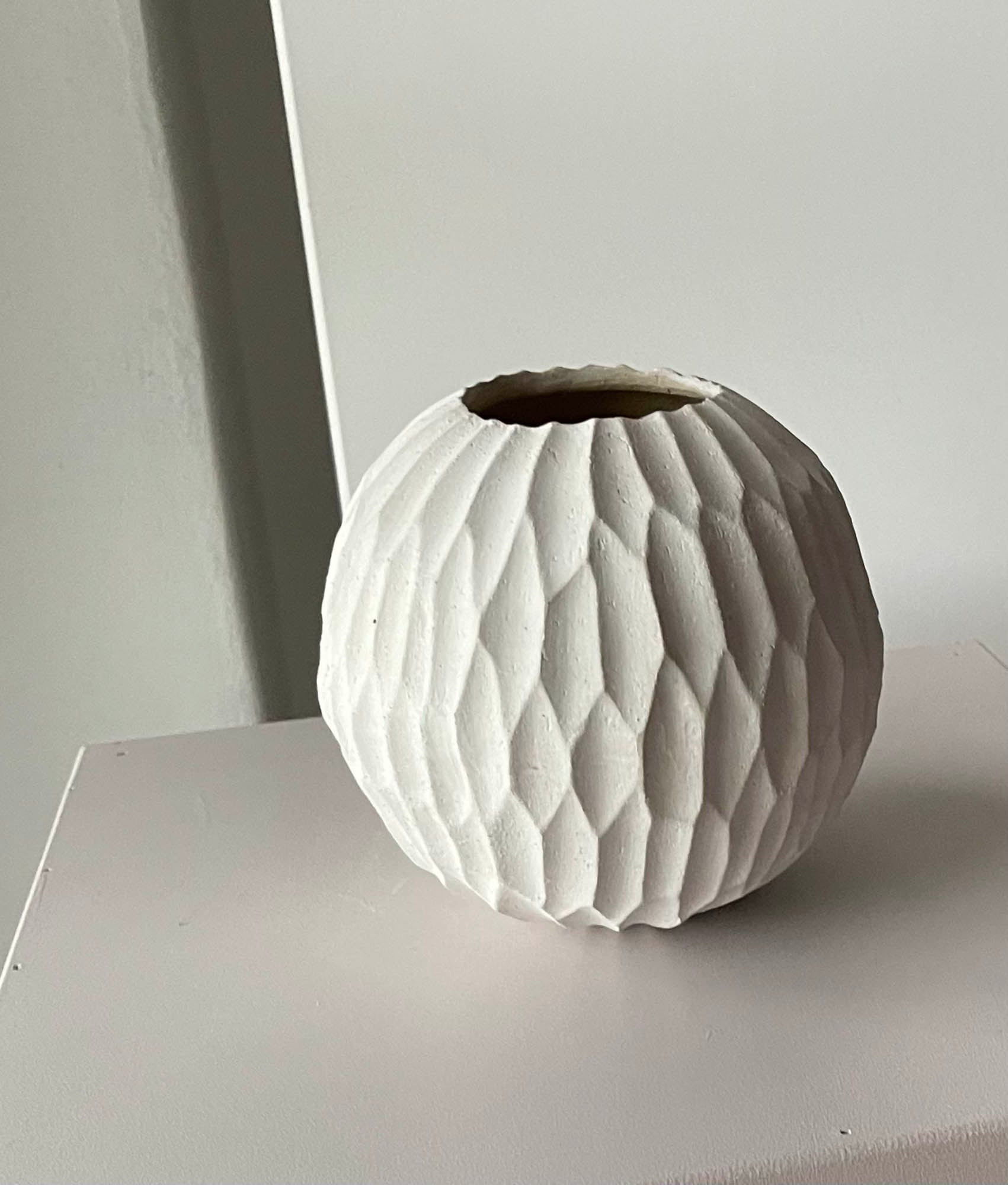
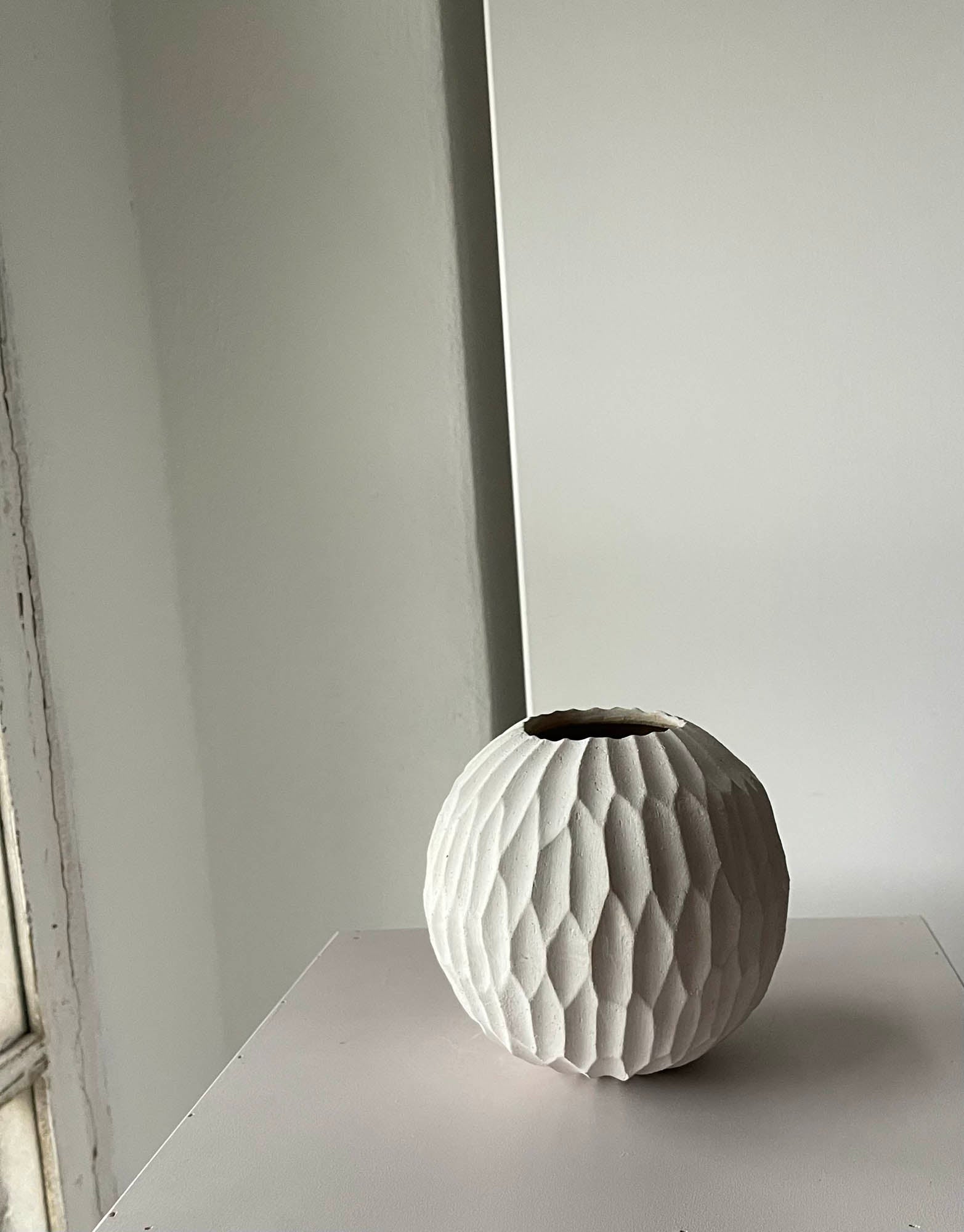
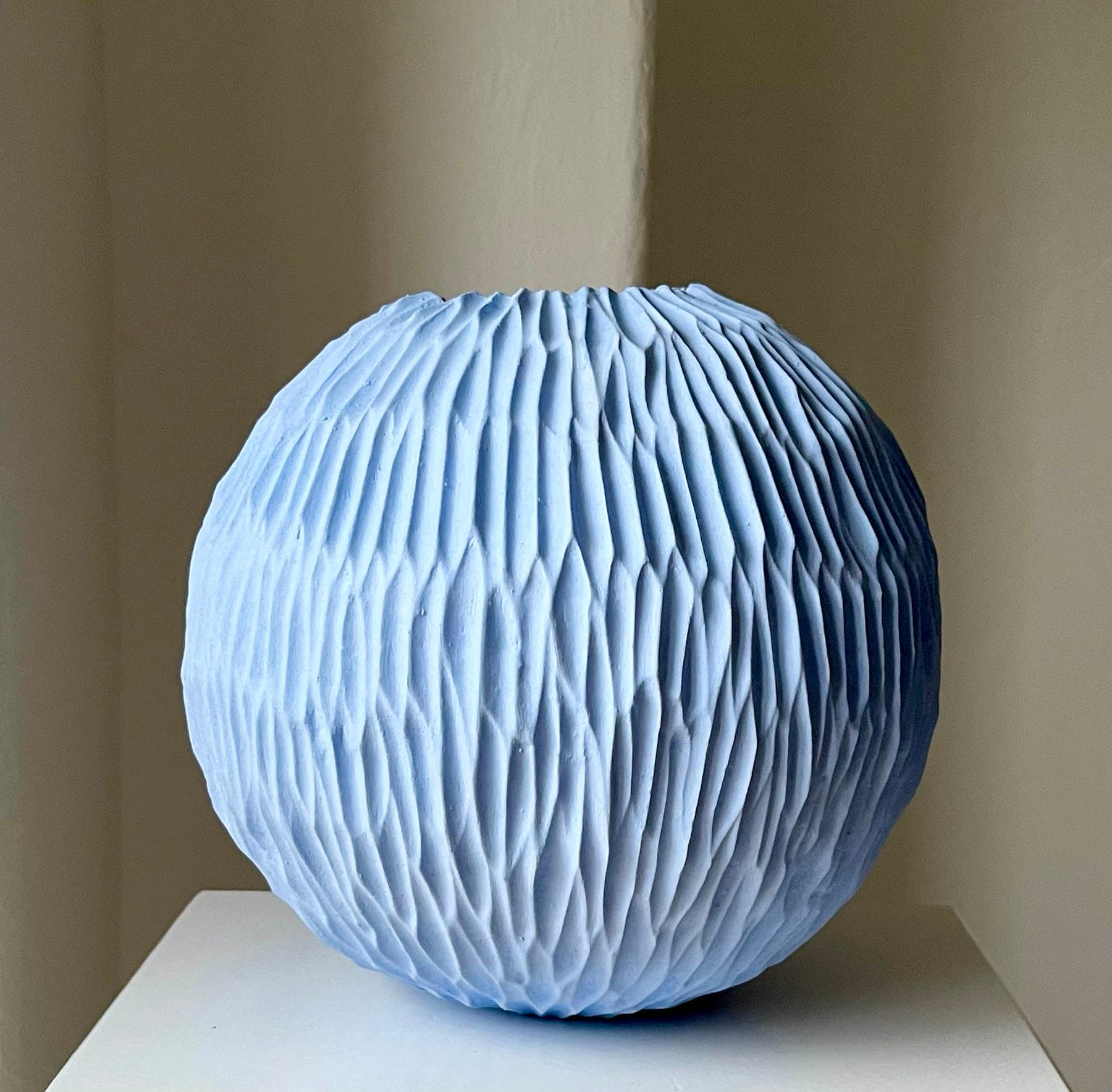
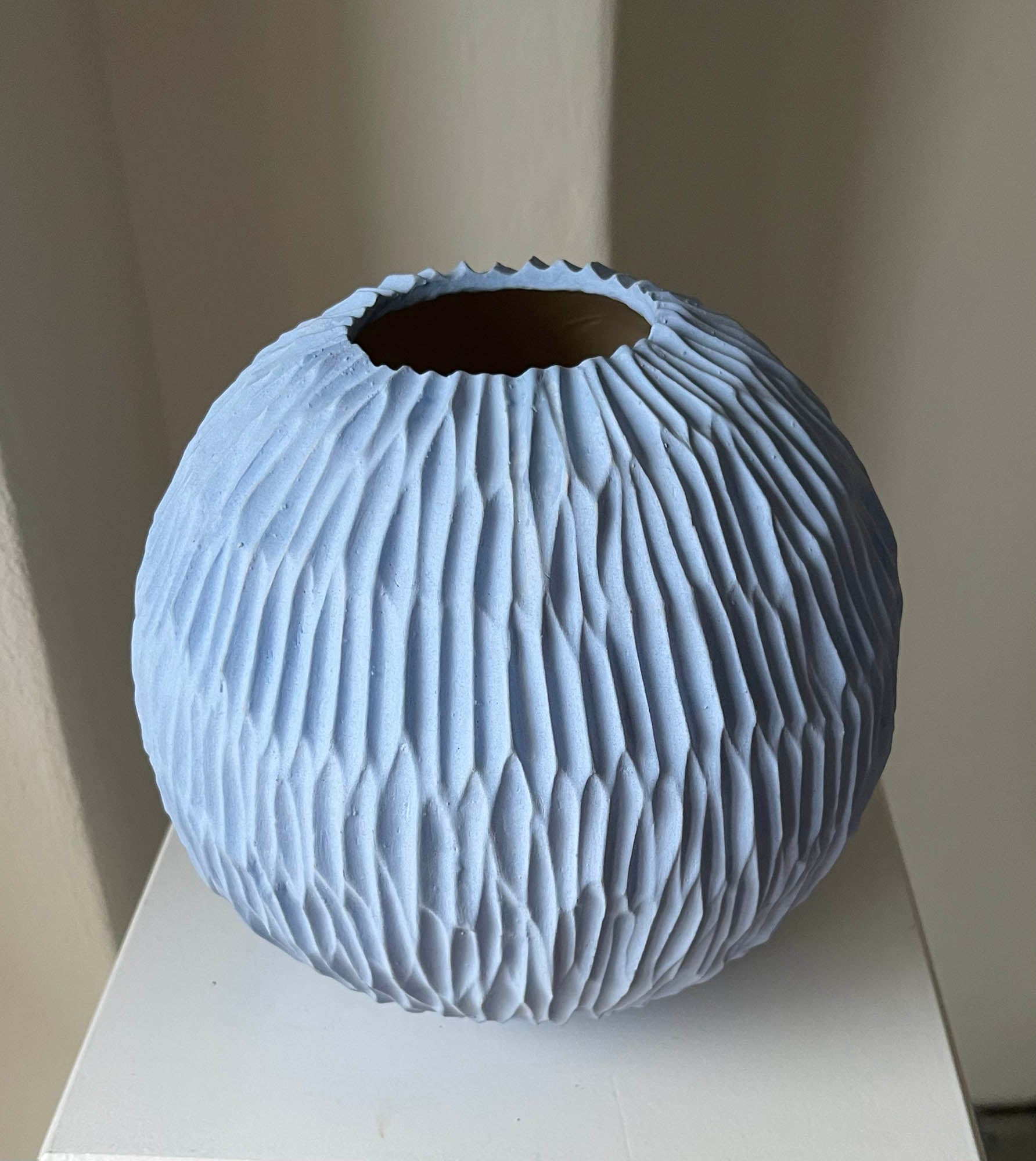
That mix of rigor and warmth is palpable in the sculptural pieces by Marina Necker, a maker whose work pairs organic silhouettes with an architectural calm. Her collection—ranging from the lantern-like Physalis forms to a family of Root Vases and a crystalline Ice Vase—embodies a distinctly German design ethos: thoughtful, tactile, and quietly bold.
What follows is an origin story—how German ideas shaped modern ceramics—and a guide to living with the kind of pieces that make daily rituals feel artful. Along the way, we’ll highlight collectible works from Marina Necker’s Trove Gallery collection that exemplify this philosophy.
From Meissen to the Bauhaus: a lineage of invention
Germany’s ceramic legacy begins with a technical breakthrough. In the early 18th century, Meissen became the first European manufactory to crack the code of hard-paste porcelain, a material previously exclusive to East Asia. That discovery launched a new era of experimentation: recipes, kiln technologies, glazes, and forms were analyzed with a scientific intensity that would become a hallmark of German craft. The result was a culture that valued mastery and repeatability, without losing sight of artistry.
Fast forward to the early 20th century and the Bauhaus, where ceramics matured into a blueprint for modern living. Under the guidance of figures such as Gerhard Marcks, Otto Lindig, and Theodor Bogler, the Bauhaus ceramics workshop treated the vessel as a modular system. Forms were reduced to essentials; profiles were standardized; handles, lids, and spouts were designed like alphabets to be combined and recombined. The mantra was clear: form follows function—but function can be poetic.
These principles didn’t eliminate expression; they distilled it. A cup’s lip reveals as much intentionality as a sculpture’s silhouette. The meeting of foot and body, the way a piece sits on a table, the quiet dialogue between matte and sheen—these details became the vocabulary of meaning. In many ways, the Bauhaus turned the vessel into a modernist sentence: compact, legible, potent.
Postwar German design extended this clarity across the home. Utility objects were crafted with spare lines and a rigorous sense of economy. In ceramic studios, the village tradition of salt-glazed stoneware from Westerwald met the new language of industrial form. What emerged was a uniquely German kind of softness: minimal, yes, but sensitive to touch and daily use. This balance—between the exacting and the humane—continues to shape the best of contemporary ceramics, including the pieces you’ll find at Trove Gallery.
In each of these chapters runs a consistent thread: curiosity and care. It’s this combination that allows a simple vase to feel complete, radiant, and alive—a presence in the room rather than a passive object.
Material honesty and the studio movement
What does “material honesty” mean in clay? In the German context, it means letting the substance speak. Bodies and surfaces are chosen with intent: a quiet matte finish for calm, a silken sheen for vibrancy, a textured form to catch light. Rather than masking the underlying character, the surface amplifies the truth of the clay and the maker’s touch. You see the choices, but you also feel them—in the weight, in the rim, in the way a vase invites a branch or a single bloom.
The studio pottery movement that evolved alongside German design is built on this stillness. Even when a piece is sculptural, it retains a sense of service. Vessels hold space in addition to water or flowers: space for attention, space for mood. Restraint is not a lack of ideas; it’s a decision to let a single thought resonate clearly. In a culture saturated with noise, that kind of focus reads as luxury.
Collecting within this tradition becomes a matter of rhythm. You might pair a bold, solitary sculpture with a trio of quieter vases. You might echo a tall form with a low, grounding shape. The most successful rooms lean on these conversations: between vertical and horizontal, matte and reflective, crisp edge and soft curve. Each piece’s integrity supports the whole, and the whole enriches the everyday.
It’s this orchestration of intent that defines the German influence. Great ceramic design listens—to material, to function, to the life it will accompany—and answers with proportion, clarity, and grace. The following maker and pieces stay close to that path while adding distinct, organic character.
Maker spotlight: Marina Necker at Trove Gallery
Marina Necker’s work sits at the intersection of sculptural gesture and refined restraint. While each piece is expressive, nothing feels accidental: lines settle with purpose; surfaces appear composed rather than embellished. In her hands, the vessel becomes a living architecture, capable of holding presence even when empty.
Look at her Physalis forms and you’ll see an homage to nature distilled through design. The silhouette suggests the delicate husk of a lantern plant, yet the execution remains calm and concentrated. It’s neither a literal botanical nor an abstract shape; it’s a memory of growth, captured in ceramic and finished with a balanced stillness that lets light play across the contours.
The Root Vases, by contrast, read as grounded. Their branching logic feels structural—almost as though the earth’s architecture has been lifted and refined. These are vessels that anchor a vignette: on a credenza with books and a candle, on a dining table with seasonal stems, or as a sculptural trio that invites the eye to travel. They demonstrate how a form can feel both organic and engineered, a marriage of impulse and measure that speaks directly to the German lineage of clarity in design.
Then there is the Ice Vase: a crystalline study in tension and light. Planes catch and release brightness as the day moves, creating a subtle rhythm of shadow and highlight. It’s a reminder that the simplest forms—carefully proportioned, impeccably finished—often create the most nuanced atmosphere.
Explore the full selection in the Marina Necker collection at Trove Gallery, or begin with the highlights below. Each piece reflects a careful balance of concept and craft, offering a sculptural presence that feels timeless rather than trend-driven.
Collectible forms: six Marina Necker pieces shaped by clarity
Consider these six works as a mini-collection—a study in scale, silhouette, and surface that brings the German modern ethos into your home. Each link below takes you to the product page, where you can see more imagery, dimensions, and availability.
Physalis 01 — A sculptural focal point that reads like a lantern captured in clay. The form invites light to graze across its curves, rewarding close looking. Place it alone on a console for a gallery-like statement, or pair it with a low, textural bowl to build contrast in height and mass. Explore Physalis 01 at $768.00.
Physalis 02 — A companion to Physalis 01, this variation refines the motif with a slightly different posture and proportion. Together, the two create a dialogue of near and far—a duet that animates a shelf or mantel. Displayed solo, Physalis 02 projects calm authority. Explore Physalis 02 at $567.00.
Medium Root Vase — The most versatile member of the Root family, this size moves effortlessly from bedside table to entry console. Its branching silhouette suggests a network of growth while remaining pared-back and purposeful. A few stems, a single branch, or nothing at all—the form holds its own. Explore the Medium Root Vase at $150.00.
Large Root Vase — For a stronger anchor, step up in scale. The Large Root Vase deepens the architectural presence without overwhelming a vignette. It favors generous greenery and sculptural leaves, though it looks striking empty—an object with the gravity of a small sculpture. Explore the Large Root Vase at $267.00.
X-Large Root Vase — A showpiece designed to command space. In an entryway, alongside a mirror and a bench; at the end of a dining table; centered on a credenza—this is where the German sense of proportion meets a bolder, organic statement. It’s proof that scale can be serene when handled with restraint. Explore the X-Large Root Vase at $826.00.
Ice Vase — Crisp planes and softened edges give this vase a prismatic quality, like a fragment of thawing ice. It thrives in changing light: morning sun reveals one personality, dusk another. Try it with a single stem for clarity or a cloud of small blooms for contrast. Explore the Ice Vase at $218.00.
Together, these pieces sketch a complete story: organic motion distilled into functional sculpture. In the spirit of German modernism, they don’t shout. They shape the room by steady degrees, asking you to notice line, weight, and the poetry of well-considered form.
How to live with and care for German-inspired ceramics
Styling. Start by setting a rhythm. Place one strong, sculptural piece—like Physalis 01—as your anchor. Build out with a counterpoint in a different scale: the Medium Root Vase for intimacy, or the X-Large Root Vase for presence. Keep the palette restrained so textures can speak. A linen runner, a stack of art books, a single candle: the fewer elements, the more each one resonates.
Flowers and foliage. German-influenced vessels reward restraint in florals. Choose forms that echo or gently oppose the silhouette. Tall branches emphasize verticality in the Large Root Vase; a single tulip or poppy highlights the tonal calm of the Ice Vase. Negative space matters: show as much care in what you leave out as in what you include.
Care. Treat pieces as you would any fine ceramic. Use room-temperature water for florals and avoid sudden thermal shock. Dust with a soft, dry cloth; for more thorough cleaning, a lightly dampened cloth is best. Display away from hard edges and high-traffic pathways. When moving, support with two hands—one at the base, one stabilizing the body—so the vessel’s weight and shape remain secure. If using as a vase, ensure flowers are trimmed to reduce pressure on the rim and lip.
Collecting. Collections evolve. Begin with a piece that speaks to you—perhaps the meditative calm of Physalis 02 or the luminous geometry of the Ice Vase. Expand slowly, allowing each addition to clarify the whole. As in the Bauhaus tradition, let form and function guide your decisions; invest in quality that feels inevitable rather than loud. The best collections read like a conversation: quiet, nuanced, and deeply personal.
Ready to bring this sensibility home? Explore the full Marina Necker collection at Trove Gallery, or shop the highlights directly: Physalis 01 ($768.00), Physalis 02 ($567.00), Medium Root Vase ($150.00), Large Root Vase ($267.00), X-Large Root Vase ($826.00), and Ice Vase ($218.00). Bring home pieces shaped by clarity and meant for a lifetime of looking.