The Spain Influence: Shaping Modern Ceramics
A kiln‑warm prologue: Spain’s ceramic soul
Some places feel baked into clay. Spain is one of them. From terracotta amphorae sunning on Mediterranean balconies to the blue‑white shimmer of Andalusian tile, Spanish craft carries a living memory of earth, air, water, and fire. The Iberian Peninsula has always been a crossroads: Roman forms met Islamic geometry; coastal trade brought pigments and techniques; local clay bodies told their own story in color and grit. Today, that deep well of history informs a new, quietly radical movement in modern ceramics—objects with sculptural poise, honest materials, and a Mediterranean sensibility that reads as both ancient and utterly now.
At Trove Gallery, we’re drawn to this lineage because it reveals how contemporary pieces can be more than decor. The best modern Spanish ceramics are artifacts of place and process: tactile, architectural, and made at human pace. They become anchors in a room—small monuments that invite touch, slow the eye, and ask us to live with intention.
In this origin story, we explore the Spain influence—how centuries of making shape today’s minimalist silhouettes, how material restraint becomes luxury, and how two makers in our collection, Canoa Lab and Crea‑Re, translate tradition into present‑tense design. Along the way, you’ll find ways to style these sculptural forms at home and a curated path to pieces you can make your own.
From Al‑Andalus to avant‑garde: a lineage of form
To understand the modern, look to the old. Spanish ceramics are inseparable from the cultural tapestry of the region. Al‑Andalus—medieval Muslim Spain—brought innovations in tin‑glazed earthenware and shimmering lusterware that transformed common clay into reflective opulence. Manises and Talavera became bywords for technical finesse: metallic sheens, deep cobalt, rhythmically painted motifs. Further south, Granada’s zellige and tilework abstracted geometry into meditative repetition; in the north, Galician kilns favored practical earthenware linked to the rhythms of rural life.
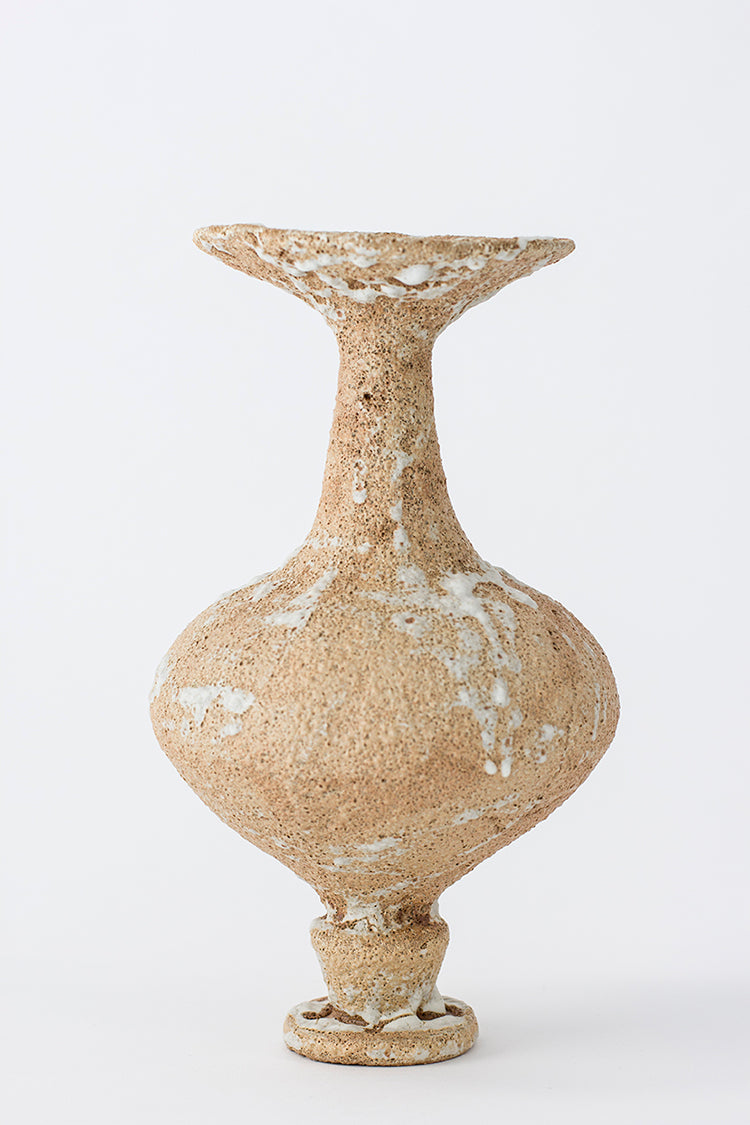
Yet it’s the Mediterranean climate—salt air, chalky light, parched earth—that may be Spain’s most enduring teacher. Look closely at modern Spanish ceramics and you’ll see a preference for mineral finishes, soft whites, shadowed crevices, and a palette that feels lifted from limestone cliffs and terracotta roofs. Instead of ornate narrative, contemporary forms distill centuries of looking into volume and void, weight and lift. The result: objects that feel archeological and futuristic at once.
This is where the Spain influence becomes a design language. It values restraint over spectacle, tactility over gloss, and line over decoration. It invites negative space—the arch, the niche, the recess—to speak as loudly as mass. In a world of speed and shine, these pieces whisper. And because they whisper, you lean in.
Valencia’s quiet revolution: Canoa Lab’s Arq series
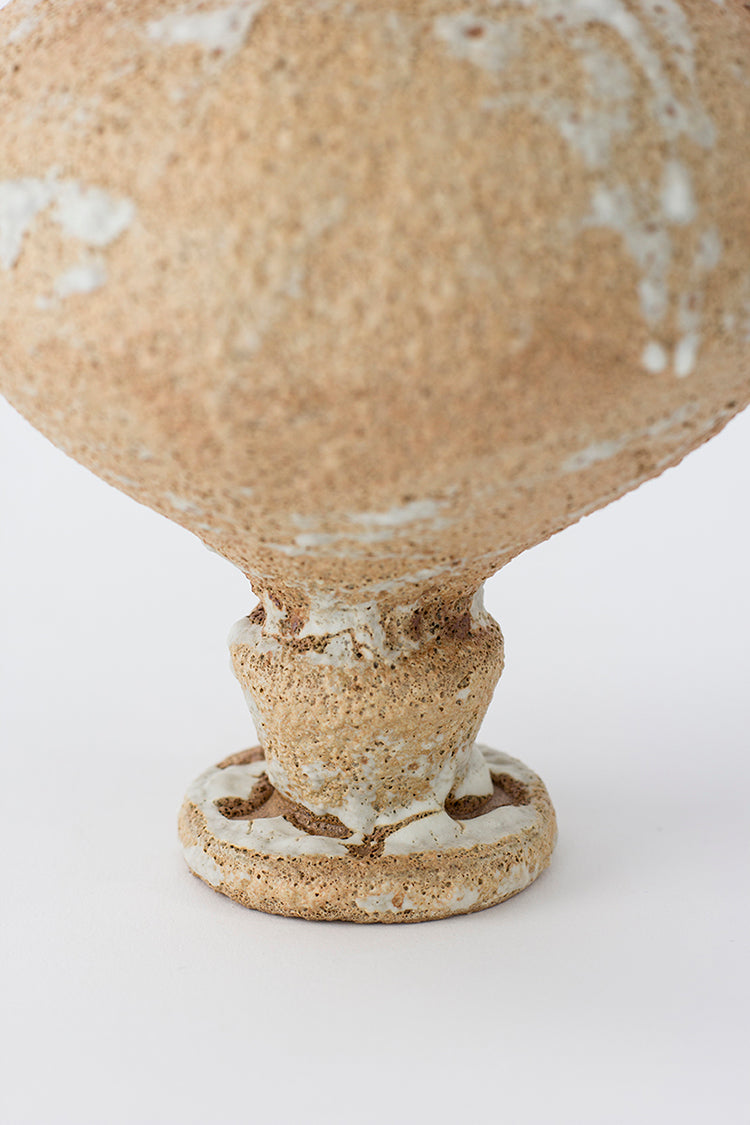
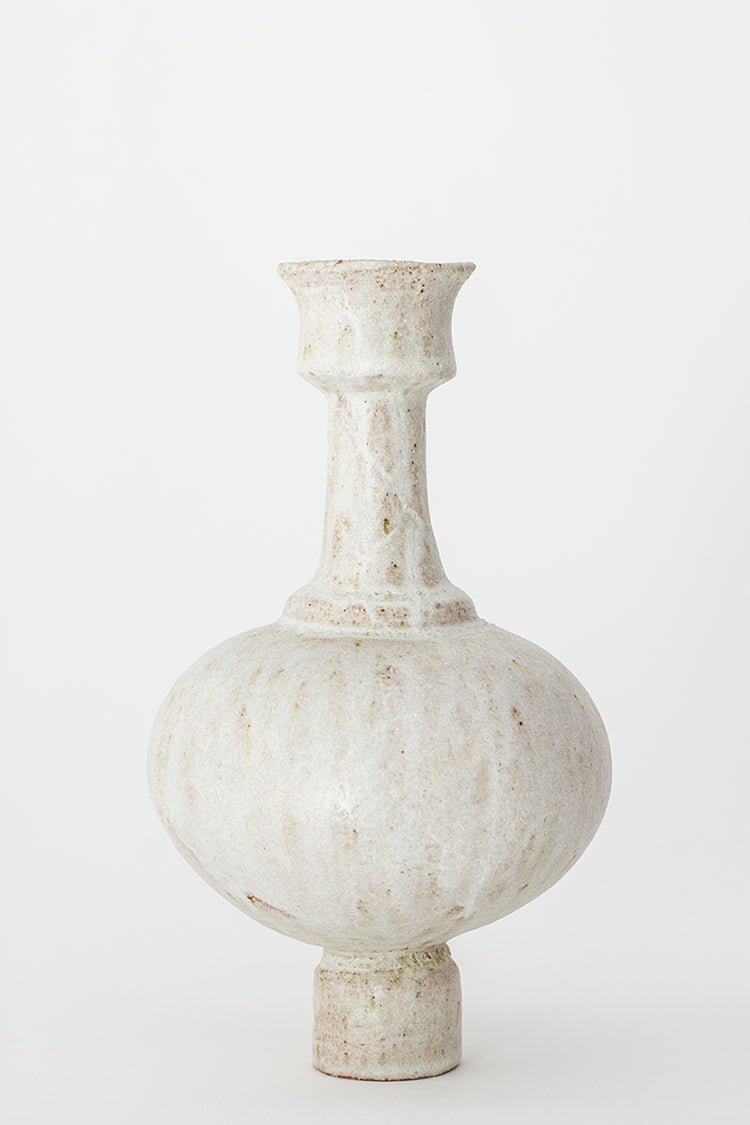
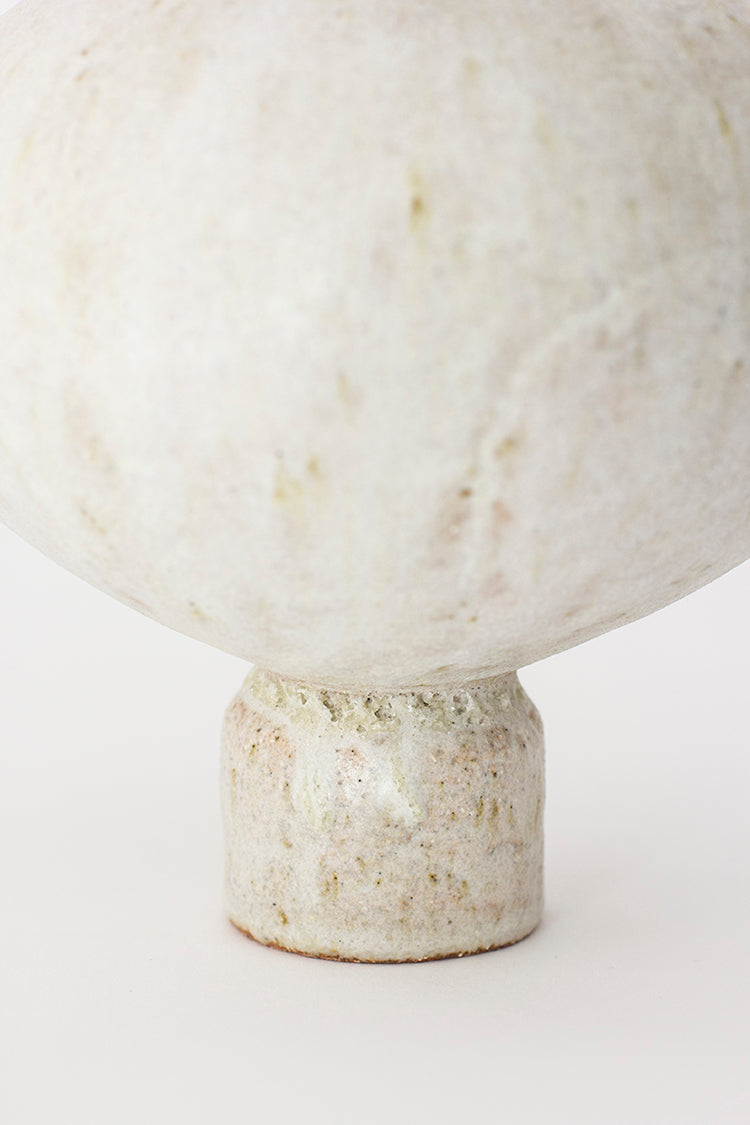
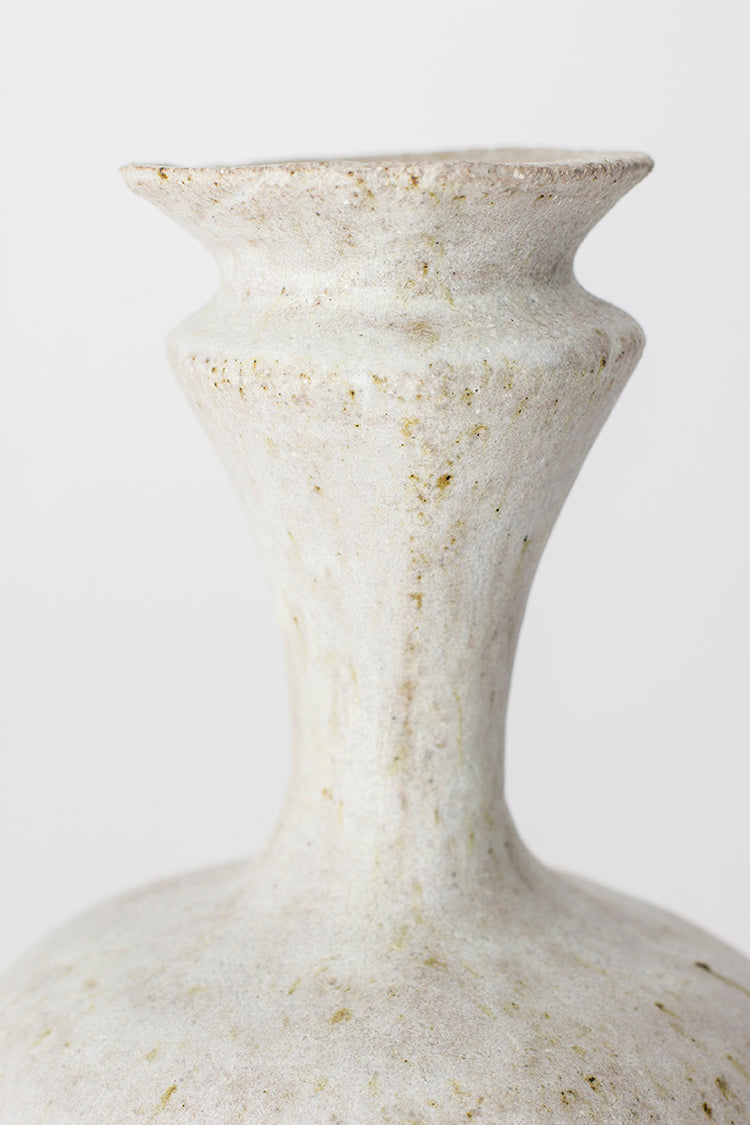
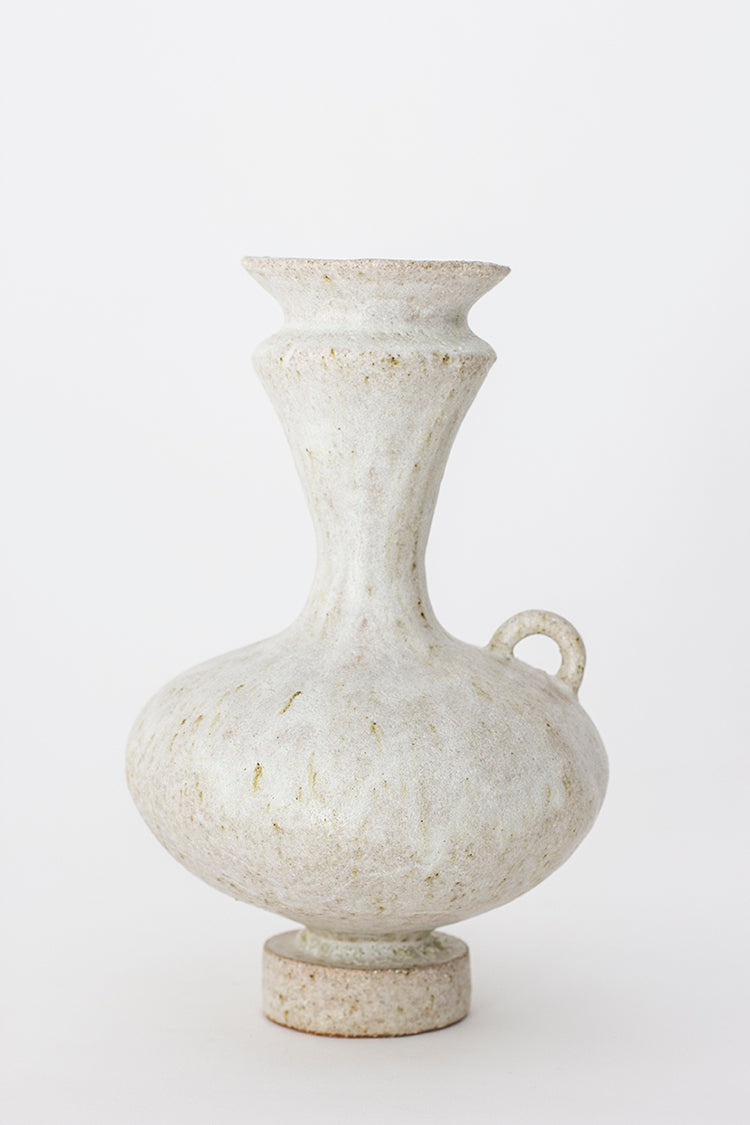
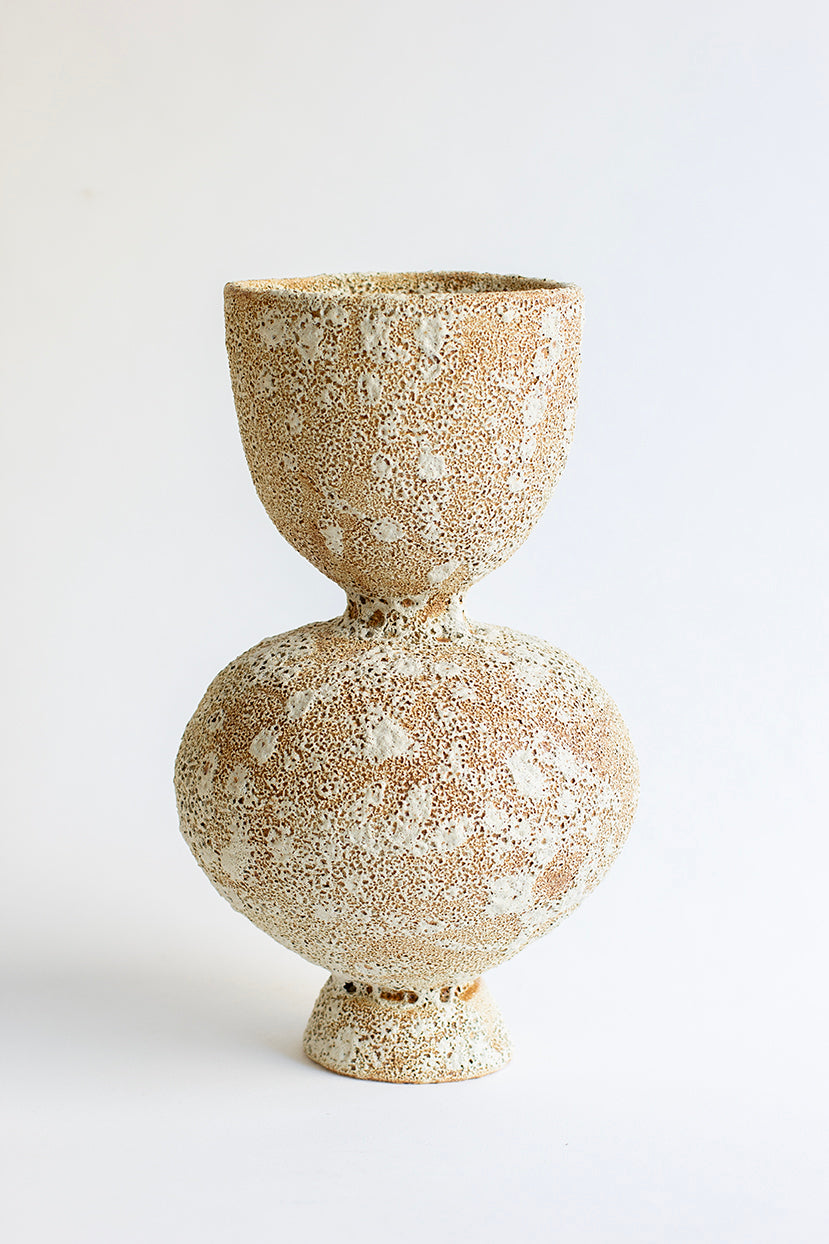
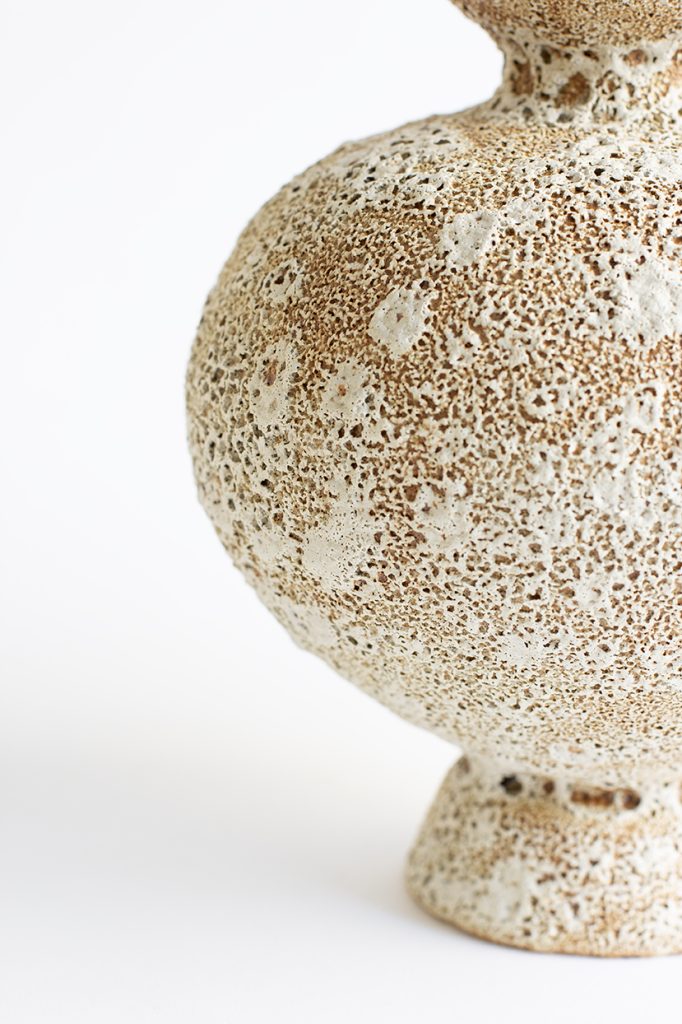
Meet Canoa Lab, an independent studio working from the Valencia region, where ceramics have long been a way of life. Their practice threads archaeology, architecture, and the timeless poise of Mediterranean vessels into contemporary forms. The Arq series—featured in our curation—reads like an alphabet of volumes: upright, sculptural, and resolutely minimal. Each piece is hand‑crafted, so subtle variations in tone and texture become part of the story; no two are exactly alike. Surfaces lean mineral and matte, catching sunlight like stone or chalk. The silhouettes feel at once primitive and architectural, as if lifted from a fragment of a Roman frieze or a modernist facade.
For collectors of modern ceramics, Canoa Lab’s work is compelling because it’s not merely decorative. The Arq forms are compositional tools—anchors for a shelf or console that create rhythm and proportion in a space. They pair beautifully with natural materials—linen, oak, travertine—and thrive in rooms where light moves and shadows deepen. Think of them less as vases and more as small monuments you live with.
We’re honored to offer a focused grouping from the series. Each piece is presented with transparent pricing and direct links so you can explore in depth:
Arq 002 — $377.00
Shop Arq 002
Arq 002 is a poised study in verticality. Its slender footprint and sculptural negative space recall an architectural pier or the interior curve of a cloistered arch. Place it where light grazes; the interplay of shadow will read like a graphite drawing across its surface.
Arq 005 — $377.00
Shop Arq 005
Arq 005 feels resolute—an object with gravitas. The profile leans toward monolith: balanced mass with a quiet, geometric clarity. On a mantle or stone ledge, it strikes a grounded note that frames art and anchors an arrangement of lighter pieces.
Arq 006 — $310.00
Shop Arq 006
The lyricism of Arq 006 sits in its silhouette: a gentle rise, a subtle shoulder, a satisfying radius that reads as both vessel and sculpture. It’s an elegant counterpoint to more linear forms—perfect for grouping and for drawing the eye to a particular shelf or bookstack.
Arq 013 — $310.00
Shop Arq 013
With Arq 013, negative space becomes a design element. A carved recess suggests a portal, and the object plays effortlessly with light—morning sun pools in the cavity; evening shadows sharpen its line. It’s a conversation piece that rewards daily looking.
Each Arq work is crafted by Canoa Lab with the meditative precision that defines Spain’s contemporary ceramic scene. You’ll notice the surfaces—soft to the eye, tactile under hand—and the way these pieces hold presence without demanding attention. Together, they build an architectural landscape on your shelf: stairs of height, symmetries and echoes, pauses and accents. Explore our full maker edit here: Canoa Lab collection.
Barcelona’s material alchemy: Crea‑Re and sustainable tactility
Spanish design influence extends beyond clay. In Barcelona, Crea‑Re channels the same earth‑first ethos into lighting and objects with a striking, handcrafted surface. Working with reclaimed fibers and natural pigments, the studio transforms humble materials into sculptural pieces that complement ceramic forms rather than compete with them. The effect is both modern and elemental: comfortingly tactile, visibly made, and rich with the small irregularities that only come from the human hand.
Why include Crea‑Re in a story about ceramics? Because the Spain influence is as much about sensibility as it is about medium. Crea‑Re’s palette—limewashed neutrals, sun‑baked ochres, stony grays—sits comfortably next to the matte mineral finishes of contemporary Spanish pottery. Their pieces carry the same quiet confidence: a belief that material honesty is luxurious, that silhouette and surface can hold a room, and that sustainability is not a trend but a design value.
Pair a Canoa Lab Arq sculpture with a Crea‑Re pendant or tabletop light and you’ll feel the throughline immediately. The light’s softly textured shade kisses the ceramic’s edges with shadow. The room settles. You perceive volume and void, rhythm and rest. It’s the Mediterranean in two gestures—earth and glow. See the maker’s world here: Crea‑Re collection.
How Spain shapes modern ceramics: principles to collect by
Across the contemporary Spanish ceramic landscape, a few guiding principles appear again and again. Use them as a lens when you collect, and you’ll feel the coherence they bring to your home.
1) Material honesty is the new luxury. The move away from high‑gloss glazes toward velvety, mineral surfaces is not austerity; it’s intimacy. You see the clay. You trace a tool’s path. Subtle shifts in tone and texture make each piece singular. Collectors often speak about the way these works age—they gather light differently over seasons, revealing fresh nuances each day.
2) Architecture is a muse. Arches, plinths, corbels, and niches appear as silhouettes or voids. The Arq series from Canoa Lab exemplifies this impulse: volumes with a built environment sensibility, scaled for domestic life. These are objects that speak the language of buildings—balance, proportion, rhythm—translated to the tabletop.
3) Negative space is content. The void inside a curve, the pocket carved into a form—these elements invite light to participate. It’s a relational way of seeing that echoes Spanish courtyards and arcades. Place a piece like Arq 013 where sunlight moves, and the sculpture narrates the day for you.
4) Quiet color, powerful presence. Earth neutrals, chalk whites, clay pinks, and sage‑washed grays dominate, punctuated here and there with deep, inky blues. Palette restraint lets form lead. It also makes mixing and grouping effortless across makers.
5) Heritage without pastiche. Contemporary Spanish studios reference history without reproducing it. You’ll sense echoes of amphorae, lusterware, and Moorish geometry refracted through a modern lens—clean, distilled, and rooted in place.
Styling Spanish ceramics at home: light, line, and layers
Modern ceramics, especially those informed by Spain’s material culture, are at their best when you let them breathe. Here are considered ways to style the Canoa Lab Arq series and their kin so the conversation between object, light, and architecture comes forward.
Create an architectural still life. On an open shelf or console, mix heights and weights for cadence. Start with a grounded form like Arq 005 as an anchor. Flank it with something slender—Arq 002—to draw the eye upward. Introduce soft curvature with Arq 006. Leave intentional pockets of negative space so each silhouette reads clearly.
Let light do the work. Place sculptural ceramics where sunlight changes—near a window, beneath a skylight, or along a corridor. Pieces with recesses and arches, like Arq 013, reward these spots. As light tracks across the day, edges sharpen and blur, revealing new facets. In the evening, a textured lamp from Crea‑Re can wash ceramics with a soft glow that emphasizes their mineral surfaces.
Pair with natural textures. Spanish modern pieces sing against limewash, plaster, raw wood, stone, and woven fibers. A travertine coffee table next to an oak cabinet; a linen runner beneath a ceramic grouping; a jute rug grounding the scene. These choices create a cohesive material conversation—earth meeting earth.
Curate by silhouette, not function. Think beyond the idea of vase versus sculpture. Many contemporary ceramic forms are meant to stand alone as objects. Allow a piece to be exactly what it is: a shape, a shadow, a volume with presence. If you add stems, choose something sculptural and spare—olive branches, dried grasses, or a single magnolia bud. The goal is to extend the form, not compete with it.
Set a restrained palette. Keep tones adjacent—bone, stone, sand, smoke—with a controlled accent if desired. A deep blue or ink‑black object can create a focal point against neutrals, echoing the historic thread of Spanish cobalt. Limit accents so the sculptural language remains primary.
Think in threes and pauses. Groupings of three or five often feel right. Start with a dominant piece, add a counter‑form, then a connector that bridges the two. The pause around them is as important as the objects themselves. Negative space is foundational to this aesthetic.
Care, provenance, and the pleasure of collecting
Living with handcrafted objects is a daily pleasure—and a gentle responsibility. A few simple practices will keep your collection looking its best while honoring the makers behind it.
Care for surfaces. Dust with a soft, dry brush or cloth. If needed, a barely damp cloth can lift surface dust; always dry immediately and avoid abrasives. Place felt pads beneath heavier pieces to protect shelves and allow easy repositioning.
Honor the process. Handcrafted ceramics often bear subtle marks of making: a faint tool track, a slight variation in tone, an edge that softens where the maker smoothed it by hand. These are not imperfections; they are evidence that a human being shaped the form—a quality that industrial objects cannot replicate. Collectors often tell us that these traces become what they love most over time.
Know your maker. Part of the Spain influence is a culture of studio practice—small teams, considered pace, and local material knowledge. With Canoa Lab, for example, you’re acquiring a piece of a Valencian studio’s evolving vocabulary, one informed by Mediterranean architecture and archeology. With Crea‑Re, you’re supporting a Barcelona‑based approach to sustainable design that privileges reclaimed materials and tactile finishes. Explore more about each maker here: Canoa Lab and Crea‑Re.
Collect slowly, with intention. The most meaningful collections build over time. Start with one piece that moves you—perhaps the composed strength of Arq 005 or the lyrical curve of Arq 006. Live with it. Notice how it changes your space and your attention. Then add a complementary form. A small grouping becomes a landscape; a shelf becomes a gallery.
Consider the impact. When you collect from artisan studios, you sustain craft ecosystems—materials suppliers, kiln technicians, local couriers, and the artists themselves. Trove Gallery partners directly with makers so that your purchase supports their practice and preserves a lineage of skills that might otherwise be lost.
Bring Spain home: shop the edit
Spain’s influence on modern ceramics is not a trend story; it’s a return to essentials. Form, light, material, and the quiet charisma of objects made by hand. If your home is ready for pieces that hold space with restraint and depth, our featured edit is a considered place to begin:
- Canoa Lab Arq 002 — $377.00
- Canoa Lab Arq 005 — $377.00
- Canoa Lab Arq 006 — $310.00
- Canoa Lab Arq 013 — $310.00
Discover the full studio practice and additional works here: Shop Canoa Lab. For tactile lighting and objects that echo these ceramic sensibilities, explore Crea‑Re. Together, they create a home that feels curated yet effortless—Mediterranean in spirit, modern in line, and quintessentially yours.
Ready to begin your collection? Explore our Spanish edit, add your favorites to cart, and enjoy complimentary guidance from our team on pairing, placement, and care. At Trove Gallery, we believe the right object can change how a room feels—and how you move through it. Bring Spain home.