Crystalline Glazes: Growing Beauty
Some artworks are painted. Others are carved. And then there are pieces whose patterns are grown— coaxed into being by heat, chemistry, and patience. Crystalline glazes belong to that last, rare category. In this technique deep dive, we explore how crystals form in ceramic glazes, why their growth captivates collectors, and how the same ideas of light, structure, and transformation live on in hand-blown crystal—from sculptural vases to luminous tableware. Along the way, discover exquisite pieces by makers who master the art of letting beauty grow.
What Are Crystalline Glazes? Growing Beauty in the Kiln
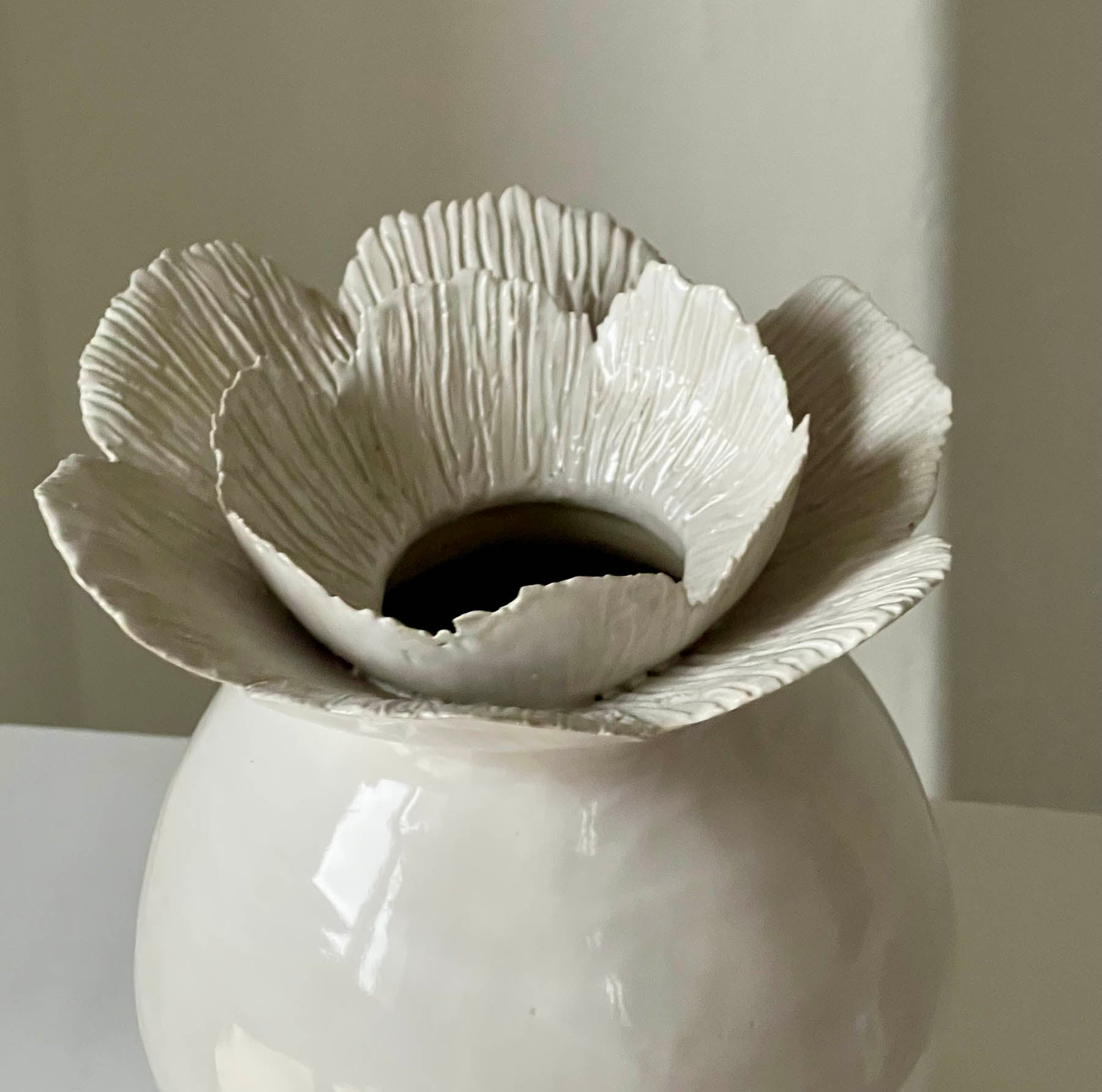
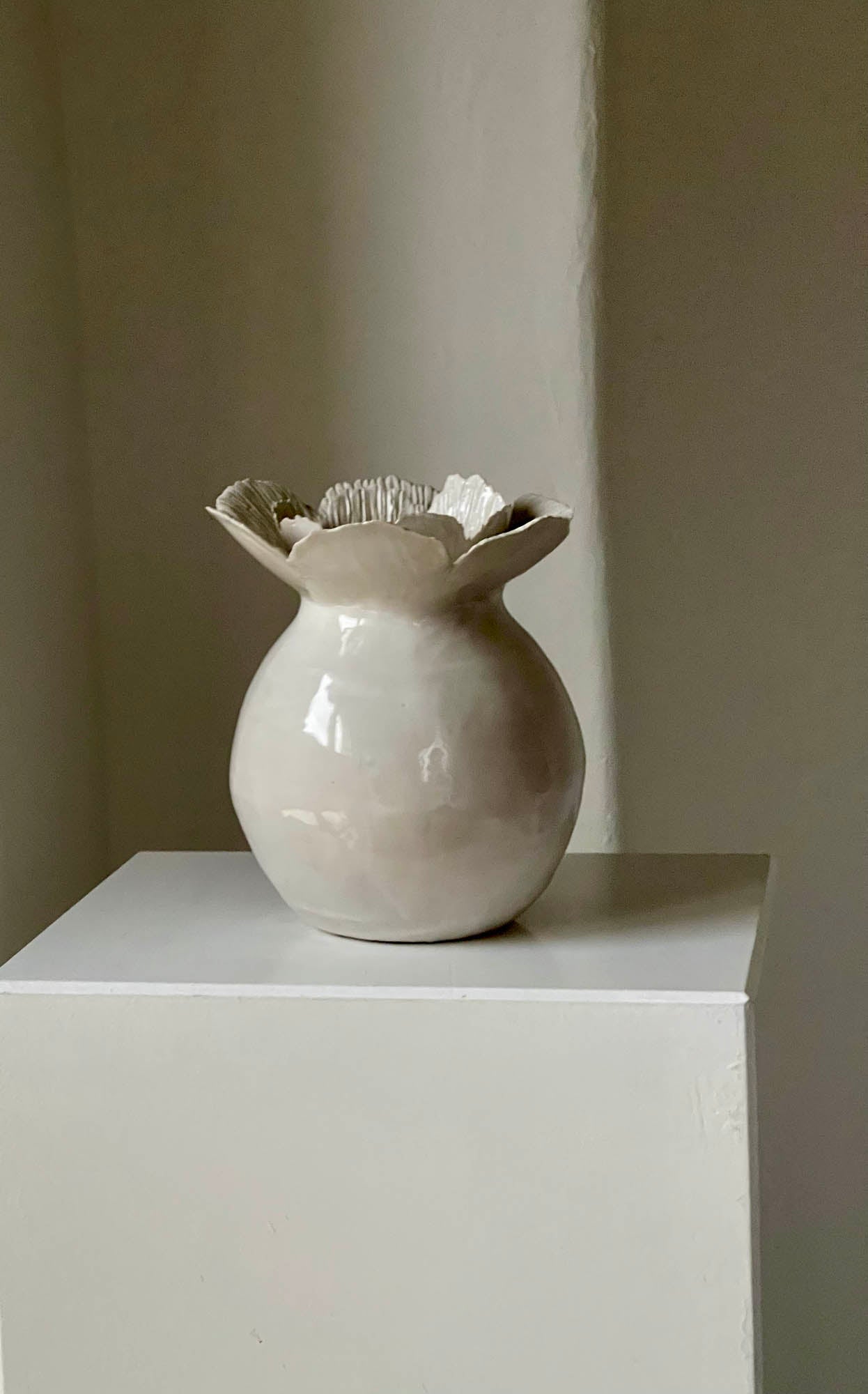
Crystalline glazes are a high-fire ceramic technique where crystals develop within a molten glaze during a carefully controlled cooling cycle. Unlike surface patterns painted on top, crystalline designs are born in the glaze itself. A potter begins with a glaze rich in silica and a crystal-forming oxide—most commonly zinc oxide. At peak temperature the glaze becomes glasslike and fully melted; as the kiln cools, molecules begin to organize around tiny nuclei, growing visible crystals that spread like rosettes, asters, and snowflakes.
This is chemistry as choreography. The size and orientation of crystals depend on the firing schedule: soak temperatures that hold the glaze in a sweet spot between liquid and solid, pauses for nucleation, and timed ramps that either encourage broad, plate-like growth or create finer, feathery patterns. Trace additions of colorants—such as cobalt or iron—can tint the glaze or settle into halos around each crystal, adding a sense of depth. No two firings are the same. Even with rigorous testing, crystalline glazes retain an element of serendipity, which is precisely their allure.
Collectors prize crystalline glaze work because it embodies time. Each piece records a sequence of thermal decisions; every rosette marks the moment matter chose order over chaos. Under changing light—from morning sun to candlelit evening—the crystals respond, shimmering as if alive. The result is not merely decoration but an imprint of growth itself.
From Kiln to Crystal: Parallels in Glassmaking
While crystalline glazes are a ceramic phenomenon, the fascination with crystal—structure, clarity, and light—extends powerfully into glassmaking. In fine glass, “crystal” refers to a clear, resonant, highly refractive glass formulated for brilliance. It’s a different material system than glazed clay, yet the poetic parallels are striking: both depend on heat to transform raw ingredients, both reward meticulous timing, and both make light visible as texture and color.
Cut facets in crystal glass act like geometric counterparts to glaze rosettes. Where a crystalline glaze grows its own pattern, crystal cutting imposes precision planes that split and multiply light. Even without cutting, a glassblower’s gesture—the way a piece is gathered, inflated, compressed, and cooled—creates inner currents, swirls, and lenticular surfaces that behave like crystalline structures, catching and refracting light in constantly changing ways.
At Trove Gallery, we celebrate this kinship. Our curation leans into pieces that make light bloom: sculptural vases and bowls whose surfaces seem to crystallize illumination; table glassware with swirling patterns; lighting that turns texture into atmosphere. Below is a collector’s edit of works that share the spirit of crystalline beauty—even when the recipe is different.
Collector’s Edit: Sculptural Crystal Vases, Bowls, and Light
The crystalline idea—order emerging from fire—takes many forms. Explore these handcrafted pieces whose profiles, facets, and finishes invite light to pool and scatter.
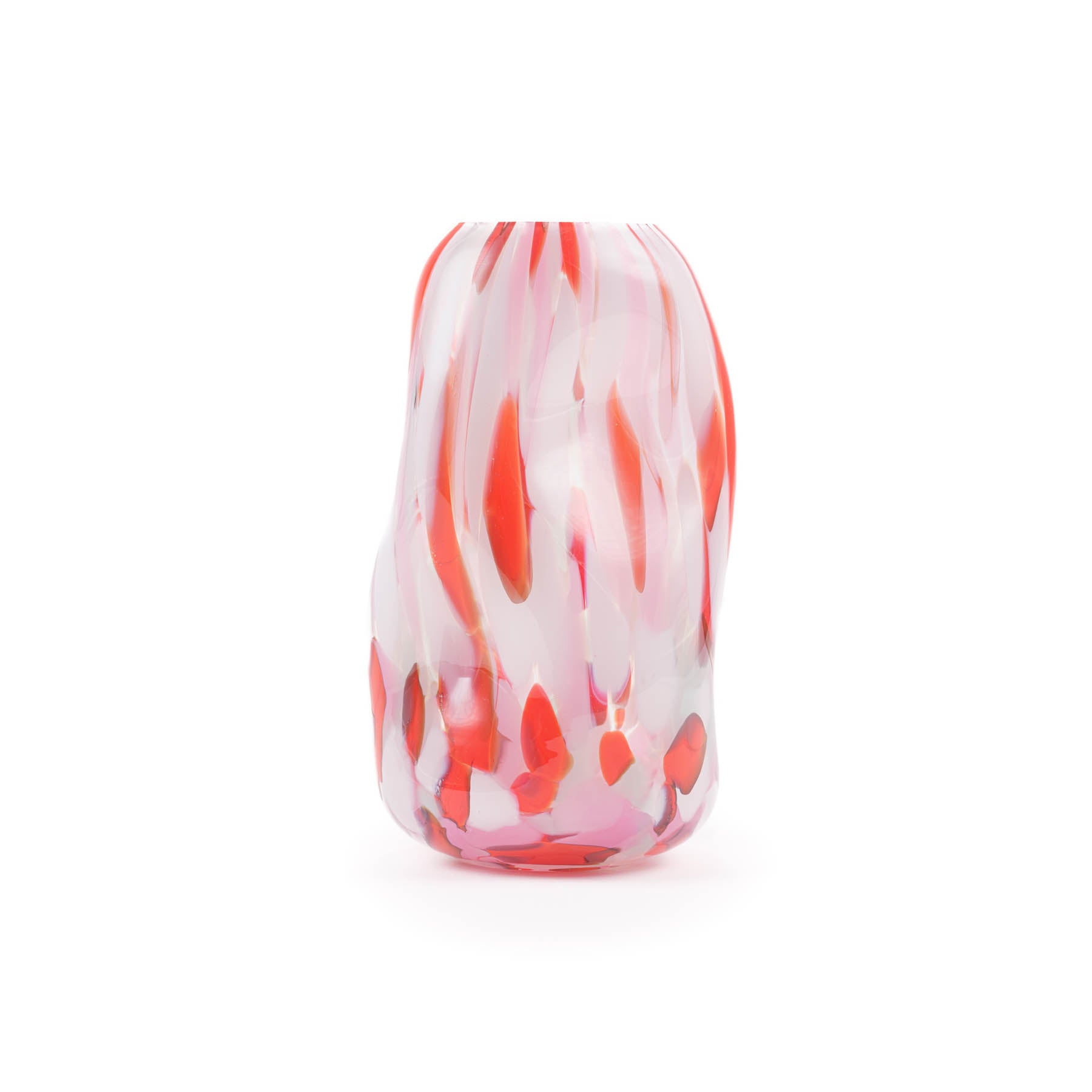
Anna von Lipa’s Squeeze Vase channels the moment glass is persuaded by hand. Its gently cinched waist and generous shoulders create shifting highlights, a soft counterpart to the crisp geometry of cut crystal. It’s an elegant everyday sculpture at an approachable scale and price. Shop the Squeeze Vase ($245) and discover more from the maker in our Anna von Lipa collection.
For a cooler, frost-kissed mood, the Ice Vase ($218) by Marina Necker feels like winter captured in glass. Subtle texturing and a clean silhouette make it a natural home for a single branch or a loose, air-filled arrangement. Place it where daylight can glance across its surface—the shimmer is part of the story.
When you want light to break into a chorus, few houses rival Moser, celebrated for hand-blown, lead-free Bohemian crystal renowned for clarity and resonance. The Daisy Vase, 11 in with 10 Cut Edges ($1,286), is a masterclass in proportional cutting: the rim’s ten crisp planes echo a flower’s regularity, and the vertical body offers a serene stage for stems. For playful tactility, the Small Dotty Vase (6 in, $1,486) and Large Dotty Vase (10 in, $2,971) present raised lenses that magnify and multiply whatever they hold—petals appear to bloom again inside the glass.
Moser’s Small Gema Vase (5 in, $1,179) and Large Gema Vase (10 in, $3,532) shift the conversation toward faceting, each plane acting like a controlled crystal face. These are pieces for those who love structure and clarity—architecture rendered in light. Set one solo on a console for quiet drama or pair sizes to create a conversation between volumes.
Crystalline themes come to the table in bowl form, too. The Deep Arctic Bowl (5.5 in, $1,000) and Shallow Arctic Bowl (10 in, $2,342) by Moser read like frozen lakes—smooth, luminous, and endlessly reflective. The deeper profile corrals fruit or florals; the wider, shallow form makes a luminous centerpiece that throws light across a table. Both amplify the glow of candles and the sparkle of nearby glassware.
For collectors who gravitate toward contemporary sculptural statements, Frantisek Jungvirt distills crystalline ideas into pure form. His Transparent Mini Toy Diffuser Vase ($700) is a small-scale study in clarity and proportion—its minimal silhouette lets light do the talking—while the Matte Mini Toy Diffuser Vase ($728) offers a soft, velvety finish that diffuses illumination like frosted ice. Displayed together, the pair becomes a dialogue between sheen and hush, sparkle and quiet.
Finally, crystalline thinking becomes atmosphere with the Crystal Globe Lamp ($1,843.20) by GILLES CAFFIER. Its globe form and refined texture transform light into something palpable—a halo that softens edges and sets a room’s tone. Use it to anchor a reading nook beside a reflective bowl or to crown a console layered with vases; the interplay of lit surfaces creates a living tableau.
Setting a Table That Shimmers: Glassware with Crystalline Drama
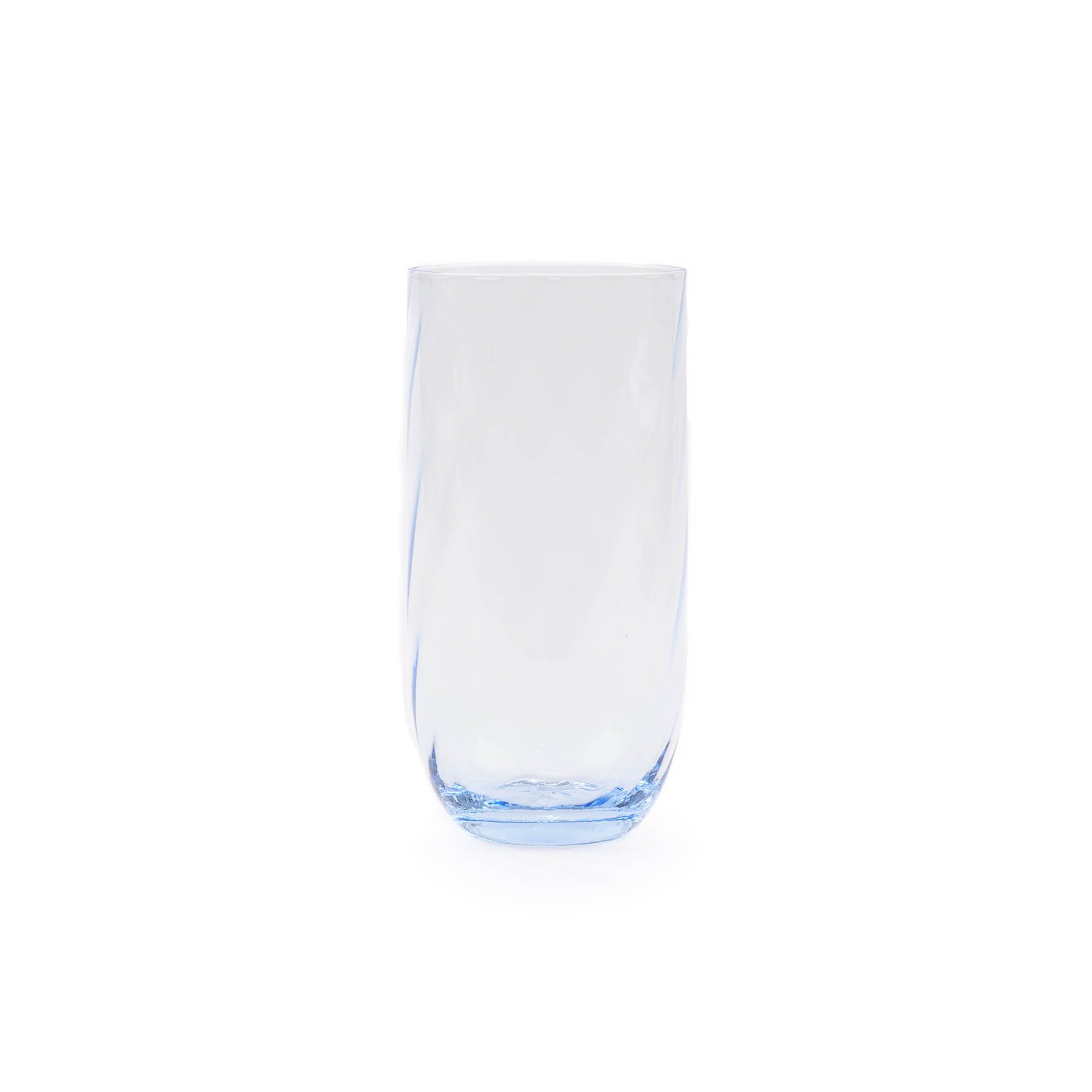
Crystalline glazes delight us because they change under light; great table glass does the same every time a hand lifts a glass. For everyday ritual elevated by craft, Anna von Lipa’s Dahlia series brings movement to the table. The gentle swirl feels as if it were grown by the glass rather than made upon it.
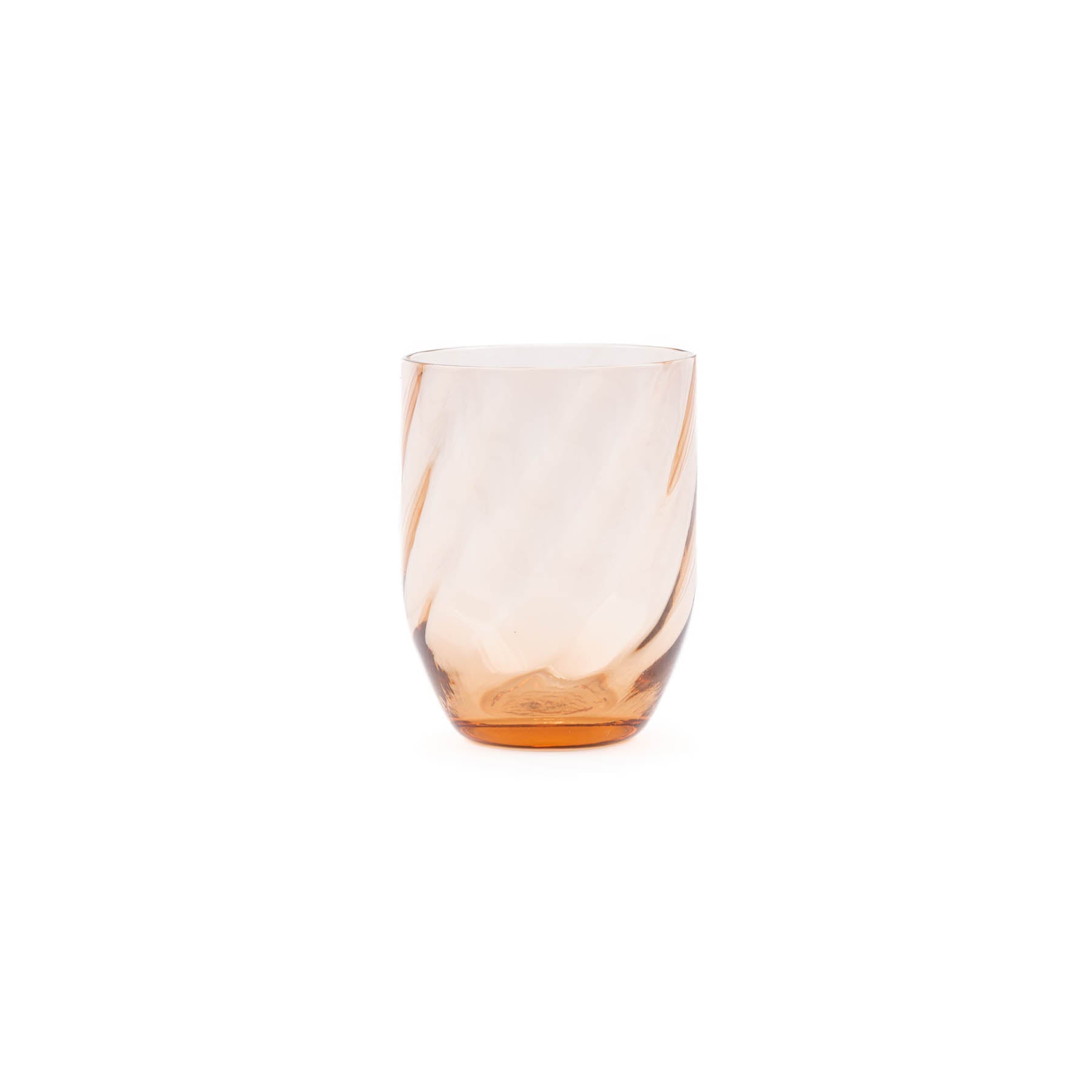
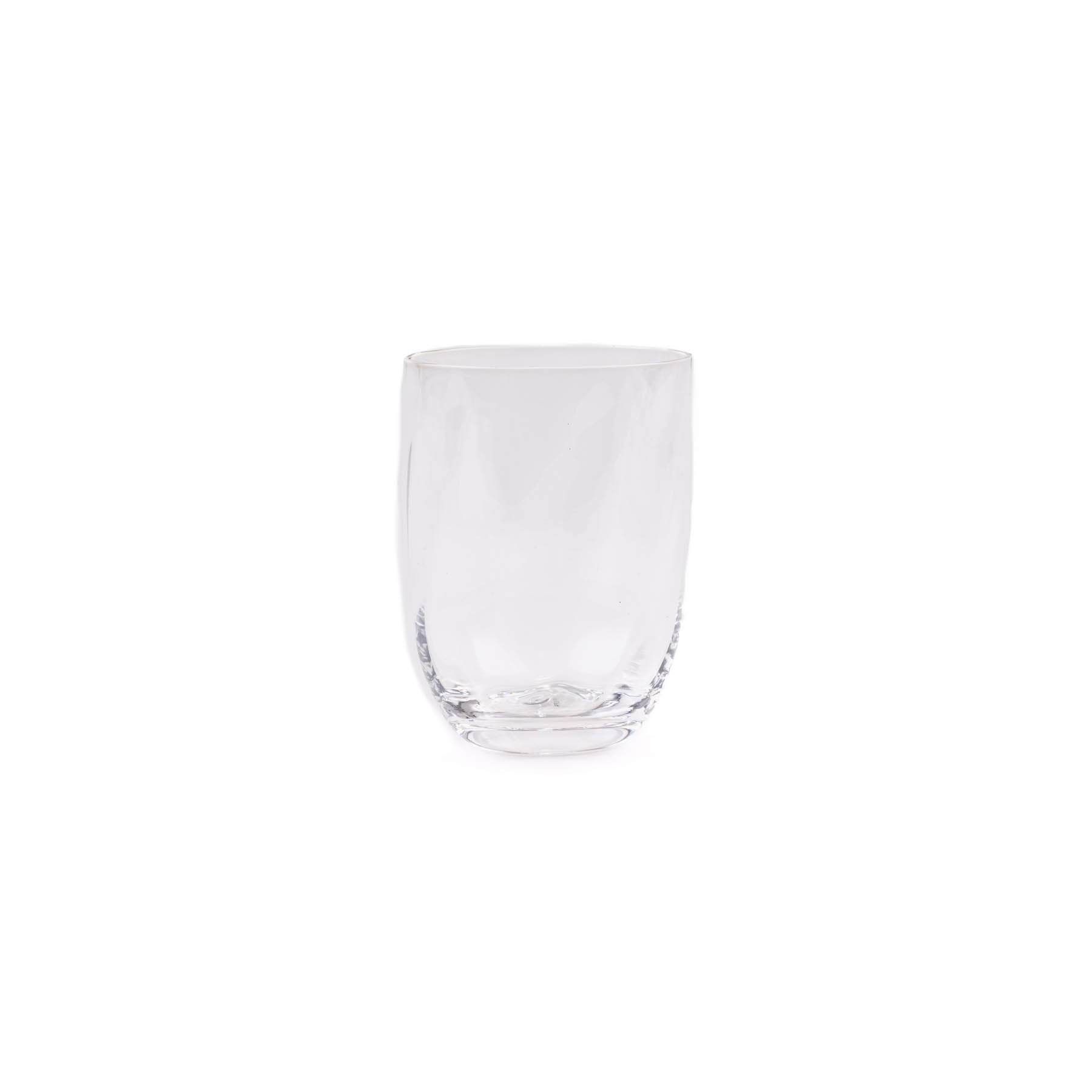
Start with the Swirl Dahlia Tumblers (set of 6, $232), a versatile ensemble for water, citrus spritzers, or a dessert affogato. Their swirling motif catches and tosses light across a table, pairing beautifully with natural linens and matte ceramics—an elegant counterpoint to the glossy, crystalline sheen of the glass.
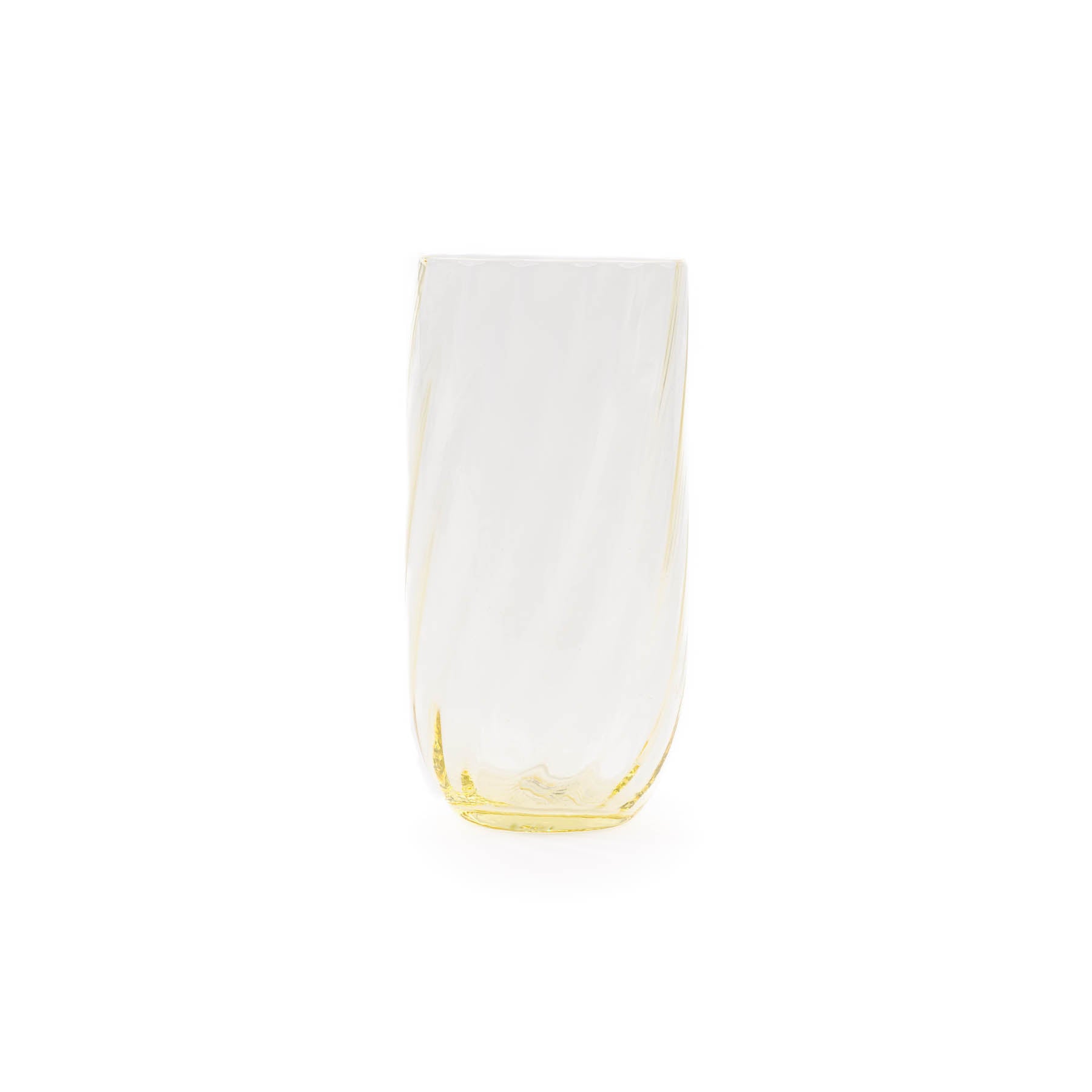
Tall drinks ask for tall sparkle. The Swirl Dahlia Tall Glasses (set of 6, $257) extend the motif upward, exaggerating the lensing effect as bubbles rise or ice melts. Mix both sets for a layered tablescape: tumblers for water, tall glasses for cocktails, and a luminous bowl or vase as the centerpiece to tie the light together.
Want to lean into the crystalline theme for a gathering? Place Moser’s Shallow Arctic Bowl at the center filled with seasonal fruit or floating blooms; scatter tea lights nearby. The bowl’s broad, reflective surface amplifies each small flame. Flank the setting with the Daisy Vase holding tall stems and a Gema Vase with a shorter, dense bouquet. The result is a calm, faceted landscape that transforms as the evening unfolds.
How to Style and Care for Crystal and Crystalline Pieces
Let light do the styling. Place faceted or textured glass near windows where morning sun will rake across their surfaces. Even a single stem in the Squeeze Vase throws graceful shadow play on a wall; a cluster of Dotty or Gema vases creates a miniature light show as you move around the room.
Pair contrasts. Combine satin and gloss—try Frantisek Jungvirt’s matte and transparent Mini Toy Diffuser Vases beside a mirror-finish bowl. The friction between finishes heightens each piece’s character. On a dining table, mix swirling Anna von Lipa glassware with the crisp planes of a Moser centerpiece for a dialogue between movement and geometry.
Give space to breathe. Crystalline and crystal pieces deserve a little air around them so light can circulate. On a console or shelf, stagger heights: place a tall Daisy Vase at the back, a small Gema in the mid-ground, and the Ice Vase forward. This subtle layering invites the eye to discover each surface in turn.
Care with gentleness. Hand-wash fine crystal and artisan glass with warm water and a mild, non-abrasive soap; dry with a lint-free microfiber cloth to avoid water spots. Avoid sudden temperature changes—don’t pour boiling water into chilled glassware or place cold pieces in hot environments. For shelves or stone tops, add soft pads beneath heavier crystal vases to prevent micro-scratches and to keep bases pristine.
Rotate with seasons. Like crystalline glazes that reveal new facets in different light, glassware enjoys seasonal refresh. In winter, lean into the Arctic Bowls and matte surfaces; in summer, bring out the transparent Mini Toy Vase and the Swirl Dahlia sets to echo the season’s brightness.
Meet the Makers: Quiet Brilliance Behind the Sparkle
Crystalline beauty is a collaboration between time, material, and mind. Our featured makers share a devotion to craft that lets form and light bloom.
Anna von Lipa works with master glassblowers celebrated for expressive, everyday-luxury glass. Pieces like the Squeeze Vase and Swirl Dahlia sets speak to a design philosophy that values gesture, color, and the joy of daily use.
Marina Necker distills elemental moods—ice, fog, winter light—into clean, tactile vessels. The Ice Vase is a study in poise: quiet lines, nuanced texture, effortless styling.
Moser, a storied Bohemian glasshouse, is acclaimed for hand-blown, lead-free crystal, precise cutting, and timeless silhouettes. From Daisy to Dotty to Gema, its vases and Arctic Bowls transform rooms through the sheer intelligence of their light-handling surfaces.
Frantisek Jungvirt brings a contemporary, sculptural eye to glass. His Mini Toy Diffuser Vases—transparent and matte—turn scale into a virtue: small, essential forms that quietly reshape the atmosphere around them.
GILLES CAFFIER bridges object and environment. The Crystal Globe Lamp exemplifies how texture and light can be designed to calm, focus, and refine a room’s experience.
Crystalline glazes remind us that beauty can be grown. In glass, the same spirit thrives—light organized into form, clarity sculpted by hand. Whether you’re starting a collection or adding a singular statement, these pieces are invitations to slow down and watch light live.
Ready to bring crystalline beauty home? Explore the featured pieces above or browse by maker: Anna von Lipa, Moser, Frantisek Jungvirt, GILLES CAFFIER, and Marina Necker. For personalized styling or gift guidance, our Trove Gallery team would love to help you curate a collection that grows with you.