Salt Glazing: Chemistry as Art
At its most poetic, salt glazing is a conversation between fire and earth—chemistry made visible as skin. Sodium vapor dances through a white-hot kiln, finds silica on a clay body, and fuses into a thin, glassy film that ripples like citrus peel and gleams like rain on stone. For collectors, it’s a finish that rewards close looking: every pinprick, blush, and drip traces the exact path of flame and vapor. For makers, it’s a balancing act between the measurable and the unknowable. This technique deep dive explores the science, the history, and the aesthetics of salt glazing—then pairs that knowledge with a Trove Gallery curation of pieces that resonate with its tactile, light-catching spirit.
The Kiln as a Laboratory: What Is Salt Glazing?
Salt glazing is an atmospheric firing process. Instead of painting a liquid glaze onto the surface, the maker introduces sodium (traditionally common salt) into a mature kiln. At temperatures commonly associated with stoneware firings—often around cone 10 (roughly 1300°C/2370°F)—the sodium breaks down and reacts with silica and alumina in the clay body to form a thin, sodium-silicate glaze. The result is typically a semi-gloss to gloss surface with the beloved “orange peel” texture, so named for its dimpled, pebbled sheen.
The simplified chemistry goes like this: sodium chloride (NaCl) vaporizes in the kiln atmosphere. The sodium component bonds with silica (SiO₂) available at the surface of the clay body, forming a glass; the chlorine component exits as a gas. Because the vapor travels with the flame path, exposed faces develop more dramatic sheen and texture, while shadowed areas remain matte—yielding topographies of gloss and satin on one form.
Color emerges largely from the clay body and any slips beneath the glaze. Iron-rich clays can warm to an amber or toasty brown; porcelaneous bodies may appear cool and moonlit. Makers sometimes employ cobalt, copper, or iron-bearing slips to encourage blushing and depth, but the hallmark of salt glazing is its surface structure—that orange-peel microtexture that scatters and concentrates light.
A Brief History, Ethics, and the Rise of Soda Firing
Salt glazing took root in Europe centuries ago, flourishing in German stoneware centers and later in England and beyond. It offered a durable, sanitary finish for utilitarian wares—jugs, crocks, and bottles—and eventually for decorative art. When environmental regulations tightened, studios and factories reconsidered traditional salt. Many contemporary makers shifted toward soda firing, a related process that introduces sodium carbonate or bicarbonate instead of salt. Soda can create similar vapor-glazed effects while being friendlier to kilns and studio environments when managed with care.
Both processes require respect for safety and community impact. Firing with sodium demands robust ventilation, careful kiln maintenance, and a practiced loading strategy. Makers use “wadding” (small, refractory pads) and kiln washes to protect shelves and supports; they map flame paths and adjust form placements to choreograph the deposit of vapor glaze. It is meticulous work. And when done well, the result is—quite literally—chemistry as art.
Reading the Surface: Texture, Gloss, and Color
Understanding salt glaze helps you see more in any atmospheric surface. Look for:
Orange-peel texture. Those subtle dimples are the calling card. They catch light at many angles, creating a lively shimmer. On some pieces you’ll see rivulets or glossy drips where vapor condensed and flowed.
Directional sheen. The hot face in a kiln—often the side that sees the strongest flame—usually shows more glass, while sheltered zones remain satin or matte. Turning the piece in hand reveals a gradient of polish.
Color from clay and slips. Salt glaze itself is often transparent to honey-clear. Body color and any underlying slip produce the primary hue. Iron-bearing bodies warm; pale bodies cool. Gentle flashing along edges adds drama.
These cues aren’t limited to salt alone. Other atmospheric methods, such as wood firing and sawdust firing, can develop comparable depth and character through different chemistries. In our collection, Lilith Rockett’s Wood-Fired Porcelain Vessel 04 ($1,008.00) shows how flame, ash, and time etch quiet tonal changes into porcelain, yielding a softly luminous surface. Michelle Grimm’s Sawdust-Fired Vase 49 ($600.00) captures smoke-borne gradients—whispers of gray and charcoal that recall the shadowed sides of salt-glazed forms.
Salt glazing taught artists to let the kiln speak. Even when a piece isn’t salt-fired, the aesthetic of controlled serendipity—matte beside gloss, smooth beside pitted, light breaking across microtexture—inspires work across media, from glass and porcelain to sculpture and even candle forms.
Curated Works that Echo the Salt-Glaze Aesthetic
We’ve gathered a selection that channels the tactile light-play of salt glazing—across clay, glass, and sculptural design. Each piece invites touch and rewards close looking, much like a salt-glazed vessel fresh from the kiln.
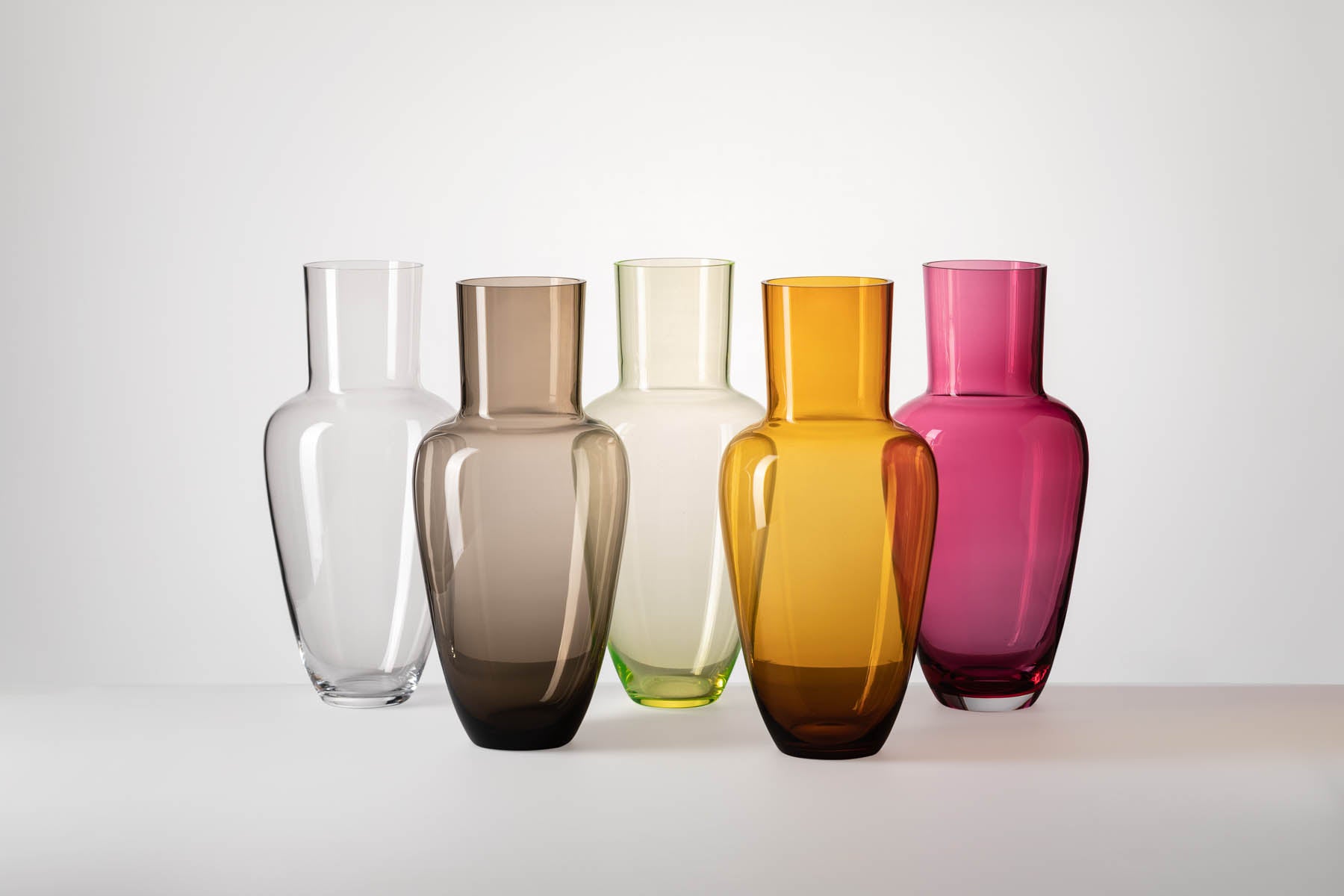
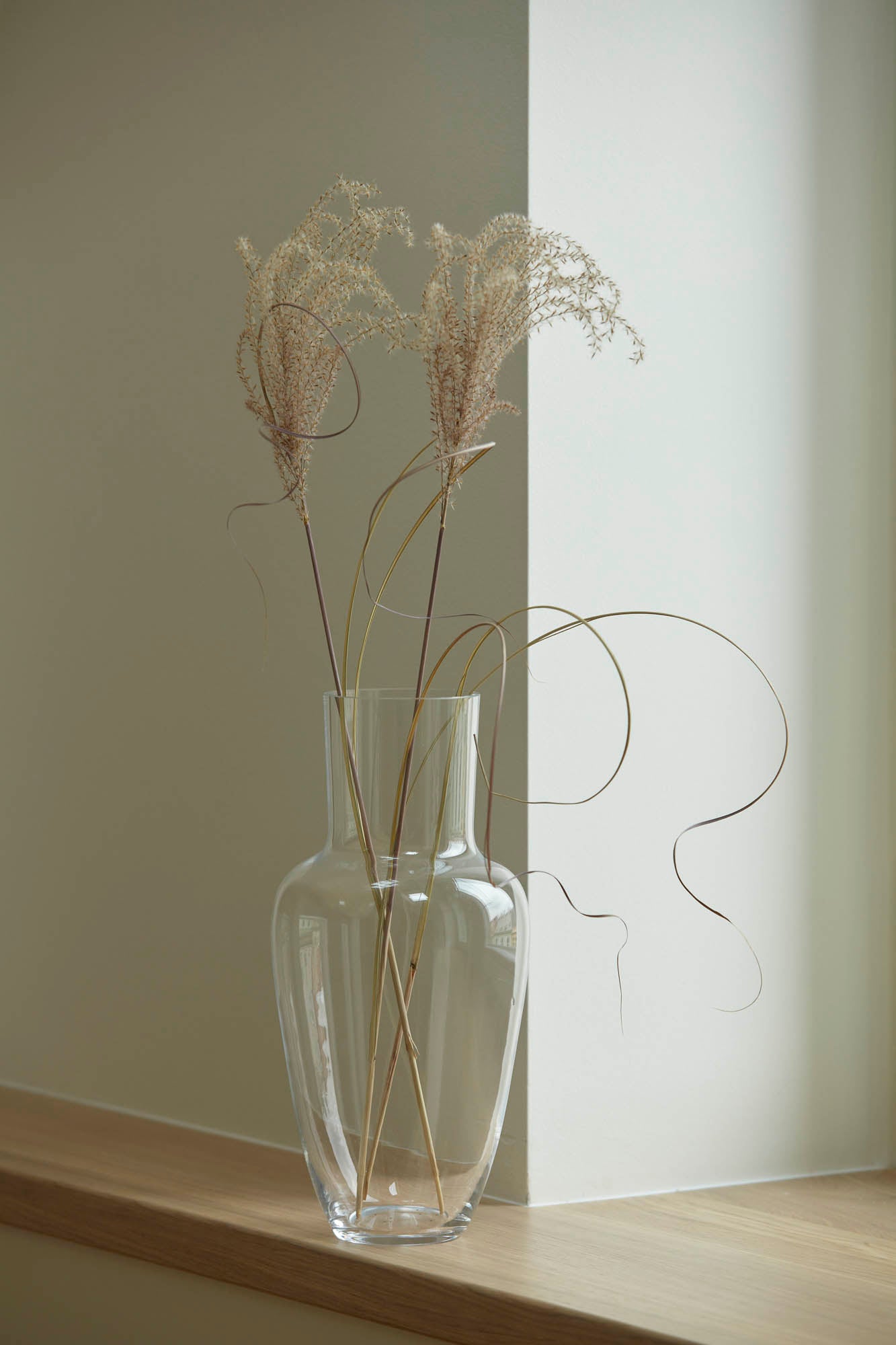
Transparent Garden Vessel by Frantisek Jungvirt ($825.00) explores clarity as texture. Light skims the surface and pools within, magnifying subtle irregularities the way a salt glaze highlights every curve. In a bright room, its internal reflections echo the shimmer of an orange-peel finish.
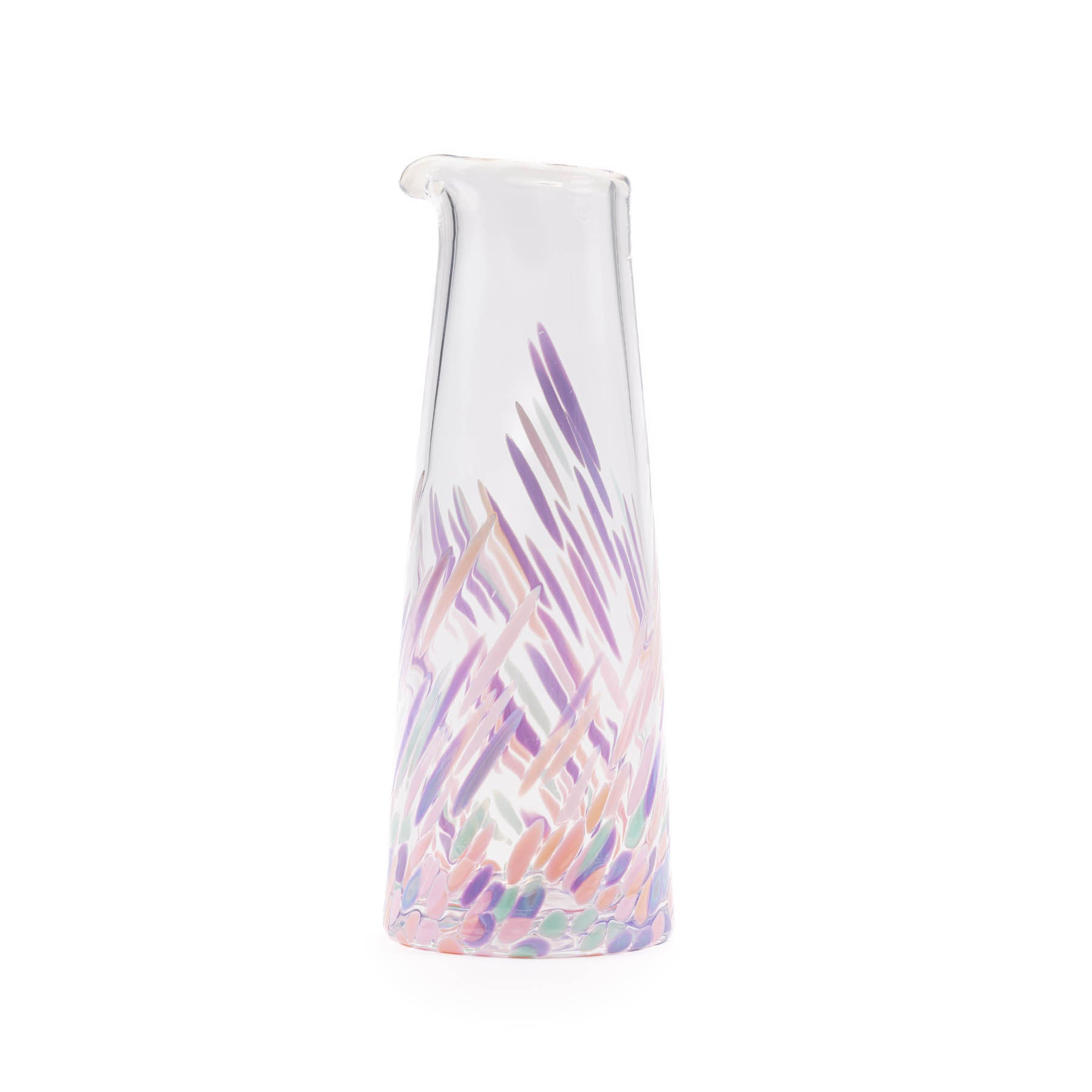
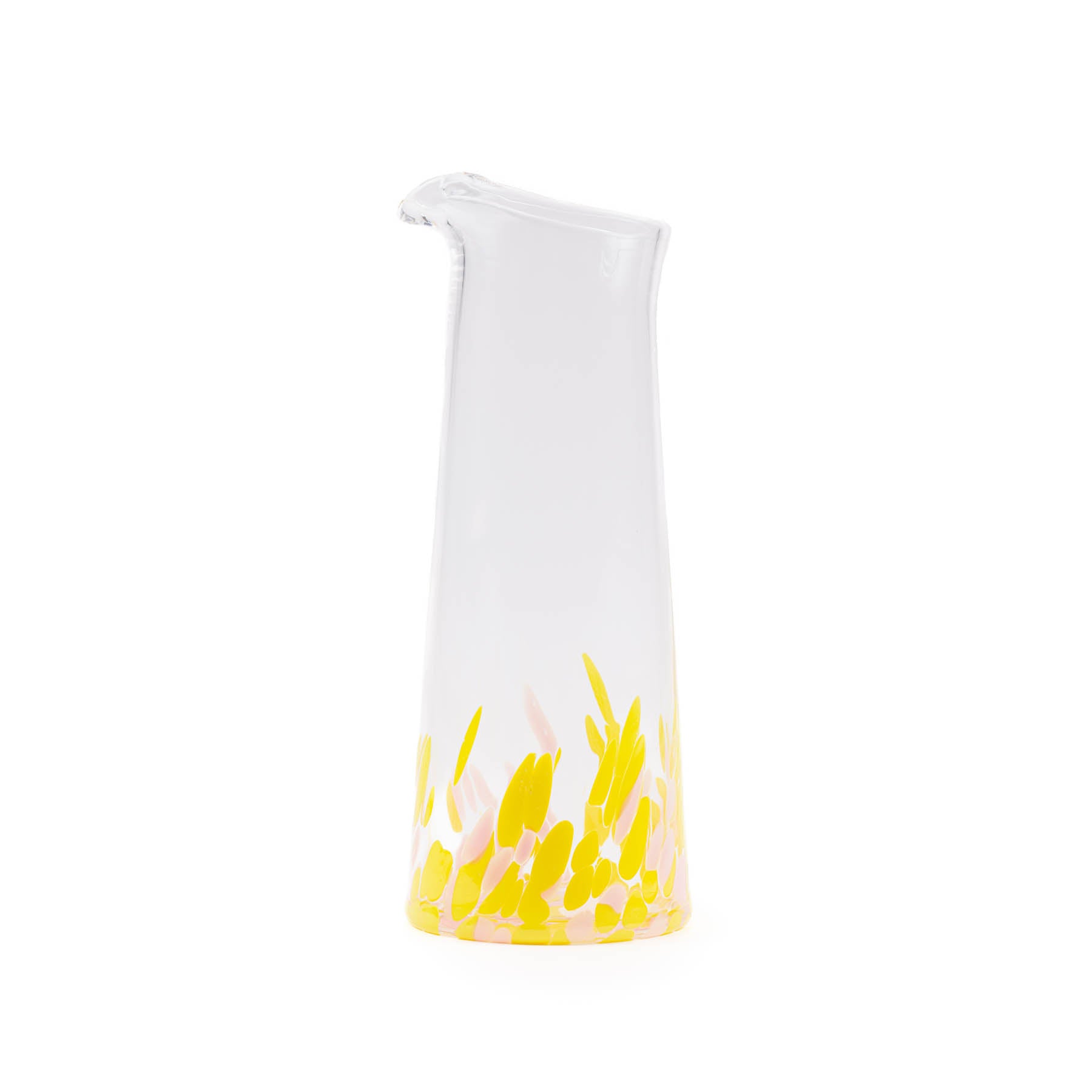
Confetti Carafe by Anna von Lipa ($214.00) celebrates diffusion. Color suspends like bursts of glaze crystals; pour a beverage and watch the glass scatter light—an uplifting, celebratory counterpoint to the earthy restraint of salt-glazed stoneware. Together on a table, they create a dialogue of lustre and texture.
Wood-Fired Porcelain Vessel 04 by Lilith Rockett ($1,008.00) embodies quiet intensity. Atmospheric firing traces a soft luster across porcelain, not unlike the restrained glow of a salt deposit. It’s a masterclass in nuance—minimalist form, maximal depth.
Sawdust-Fired Vase 49 by Michelle Grimm ($600.00) presents smoky veils and elemental tonality. The surface reads like a kiln’s shadow line—a subtle map of heat and time.
Haniwa Warrior 93 by Noe Kuremoto ($1,700.00) offers sculptural presence with an ancient-modern sensibility. The tactile skin, purposeful incisions, and grounded stance resonate with the way salt glazes make a form feel archetypal and enduring.
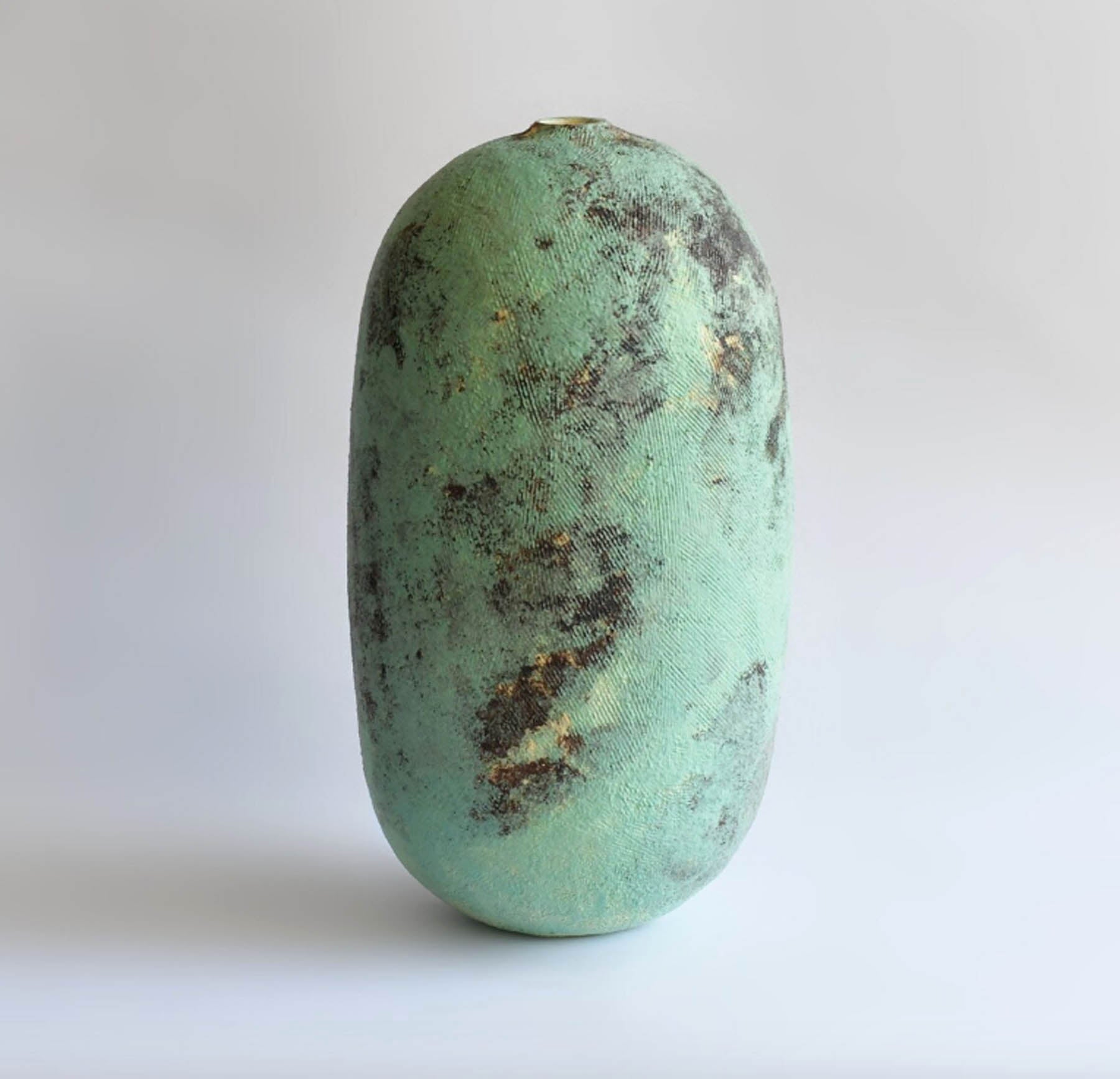
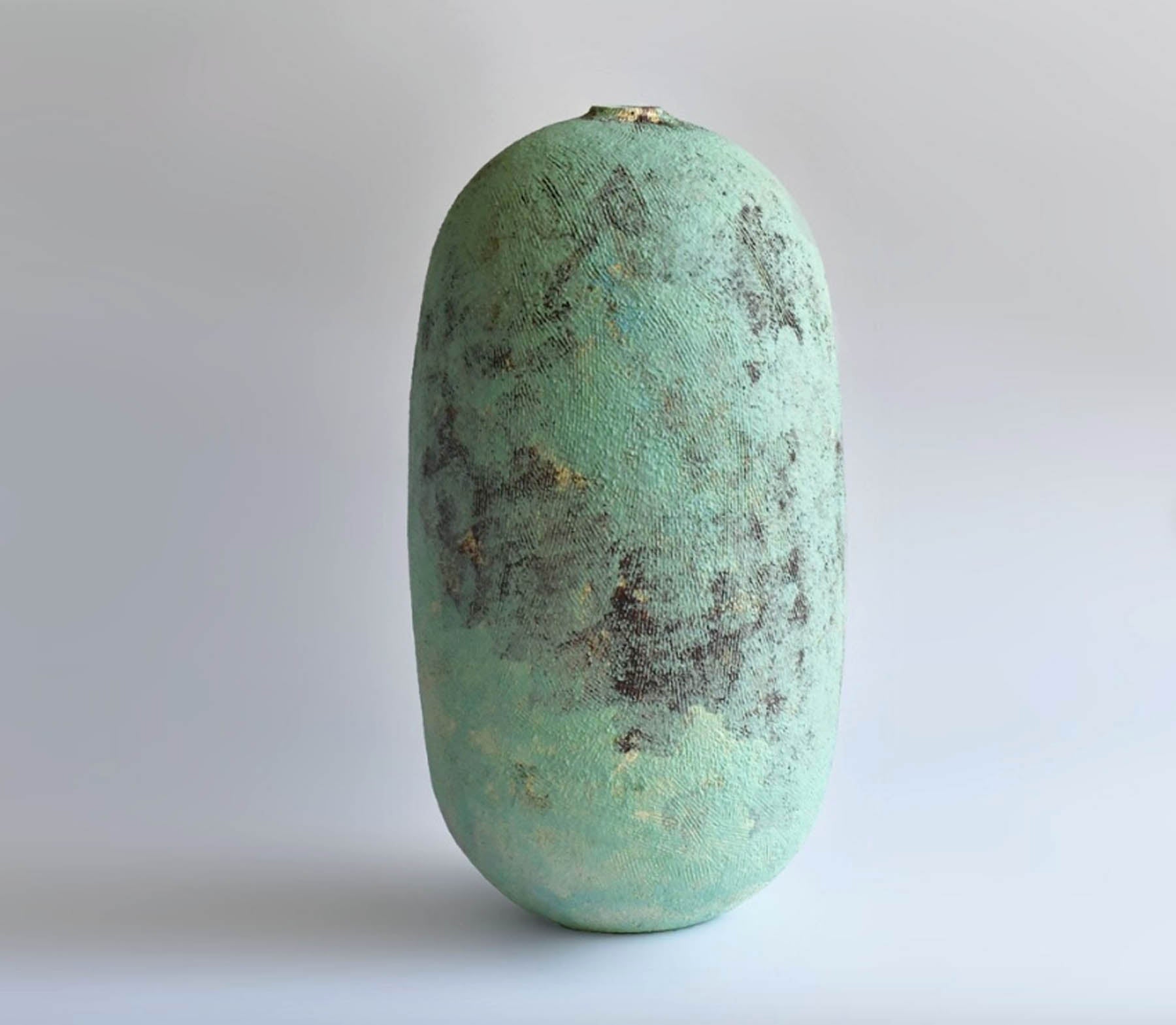
Distressed Sardinia Vessel by Àlvar Martínez Mestres ($732.00) reads as weathered shoreline—a surface that appears gently eroded, like stone kissed by salt air. Place it near a window and the changing light enriches its topography through the day.
Ruffles Vase by Faustine Telleschi ($534.00) turns texture into movement. Its undulating silhouette catches highlights along every ridge, mirroring the way orange-peel glaze concentrates brilliance on peaks and edges.
Long Handle Bowl by Melina Xenaki ($533.00) juxtaposes sculptural handles with a restrained basin. The interplay of shadowed recesses and open planes reflects the directional sheen prized in salt glaze: light strikes differently across each contour.
Tilt Bowl by Nate Cotterman ($375.00) is a study in optical weight. A gentle lean shifts how illumination pools across glass—an analogue to the way vapor deposits collect asymmetrically in a kiln. It’s playful, architectural, and quietly technical.
Small Gema Vase by Moser ($1,179.00) compresses brilliance into a compact form. Facets and thickness variations multiply glints of light, much like a pebbled glaze breaks reflections into shimmering micro-flashes.
Parure 8 by Nadia Stieglitz ($2,800.00) explores organic geometry. Its surfaces invite close inspection, revealing edges and hollows where light collects and recedes—an aesthetic kinship with atmospheric finishes.
Septem by Marcela Cure ($8,250.00) is a statement of precision and presence. The work’s polished and matte contrasts—subtle shifts you appreciate in motion—recall how salt glazing can toggle between jewel-like gloss and soft sheen.
Clouds 01 by Caroline Desile ($778.00) drifts between form and shadow. Its serene, textural fields behave like a kiln’s slow gradient—one surface, many atmospheres.
Grande Jill Candle (scented or unscented) by Dumae ($1,980.00) brings sculptural candlelight to the mix. As the flame moves, dimples and planes flicker—an intimate echo of the way glaze and fire mark a pot.
Giovanni Basket by Oscarmaschera ($362.00) frames the collection with structure. Use it to stage a small vessel or stack linens; its disciplined lines and tactile feel let the surfaces around it sing.
For deeper maker explorations, visit the collections of Frantisek Jungvirt, Anna von Lipa, Noe Kuremoto, Faustine Telleschi, Marcela Cure, Nadia Stieglitz, and Nate Cotterman.
How to Choose and Care for Atmospheric Surfaces
Choosing. When selecting a piece inspired by salt glazing, rotate it slowly in natural light. Look for microtexture that enlivens highlights, and watch for directional sheen that changes with every degree you turn. If you love quiet depth, consider atmospheric or wood-fired porcelain like Wood-Fired Porcelain Vessel 04; for luminous contrast, pair with optically rich glass such as Transparent Garden Vessel or the chromatic Confetti Carafe.
Placement. Salt-glaze-inspired surfaces love raking light. A console near a window or a shelf lit from the side will make textures glow. Consider setting matte beside gloss—say, Sawdust-Fired Vase 49 next to the gleam of Tilt Bowl—to heighten each piece’s character.
Care. For most ceramic and glass artworks, dust with a soft, dry cloth. Avoid abrasive pads that could dull polish or snag microtexture. Keep oils, lotions, and strong cleaners away from matte or textured surfaces to prevent darkening. For candles like the Grande Jill Candle, trim wicks and protect surfaces beneath from heat. As always, follow any care instructions provided with your specific piece.
Style Notes: Pairings, Scale, and Building a Collection
Play with scale. Anchor a vignette with a statement work—Septem or Parure 8—then add smaller forms that riff on its surface qualities. The compact brilliance of the Small Gema Vase or the refined geometry of Giovanni Basket can create rhythm without visual clutter.
Cross-material dialogues. Let glass amplify ceramic texture. The soft topography of Wood-Fired Porcelain Vessel 04 paired with the prismatic clarity of Transparent Garden Vessel turns a shelf into a study in light behavior. Add the organic silhouette of the Ruffles Vase and the sculptural gravitas of Haniwa Warrior 93 for a layered, gallery-worthy arrangement.
Consider a chromatic accent. The speckled joy of the Confetti Carafe introduces color play that still respects the vocabulary of surface. Its dots read like glints across an orange-peel glaze—festive, but refined.
Set the scene with light. Atmospheric surfaces excel under candlelight. The Grande Jill Candle casts a warm, slow-moving glow that reveals dimple, ridge, and facet. A gentle flicker can make a salt-like sheen feel alive.
Budget, thoughtfully. Collecting surface-rich art doesn’t require a single leap. Start with an accessible optical piece like the Tilt Bowl ($375.00) or the Giovanni Basket ($362.00), then plan toward a signature work—perhaps Parure 8 ($2,800.00) or the quietly mesmerizing Wood-Fired Porcelain Vessel 04 ($1,008.00). When you’re ready for a defining centerpiece, explore Septem ($8,250.00).
Why Salt Glazing Still Matters
In an age of precision tools and predictable outcomes, salt glazing preserves the thrill of collaboration with natural forces. It asks the maker to listen—to let heat, time, and mineral exchange leave their handwriting on the clay. That spirit resonates well beyond traditional stoneware. You can feel it in wood-fired porcelain, in smoke-marked surfaces, in glass that bends light across gentle undulations, and in sculptures whose tactility invites touch before words.
Collecting with this lens—seeking surfaces that hold light, maps of process, and textures that reward close looking—makes your space not only beautiful, but meaningful. It turns a shelf into a journal of materials, and a room into a quiet theater for light.
Ready to bring the kiln’s poetry home? Explore our full selection and discover pieces that make chemistry visible at arm’s length.
Browse the makers: Frantisek Jungvirt | Anna von Lipa | Noe Kuremoto | Faustine Telleschi | Marcela Cure | Nadia Stieglitz | Nate Cotterman
Call to action: Start your own surface story today—shop our curated selection inspired by salt glazing, from atmospheric ceramics to luminous glass. For tailored recommendations, our Trove curators are here to help.