Wood Firing: Ancient Methods, Modern Results
Why Wood Firing Still Matters
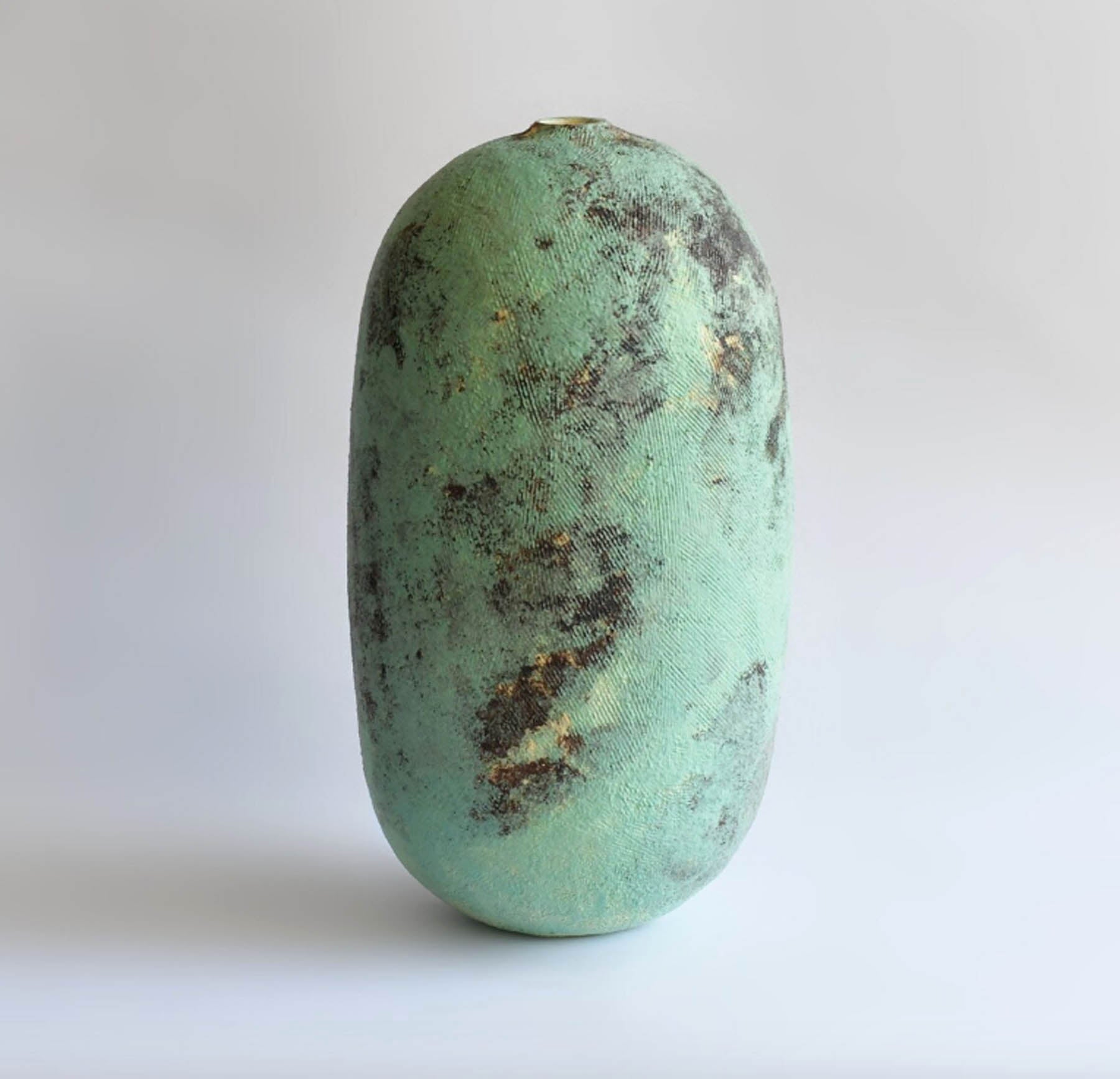
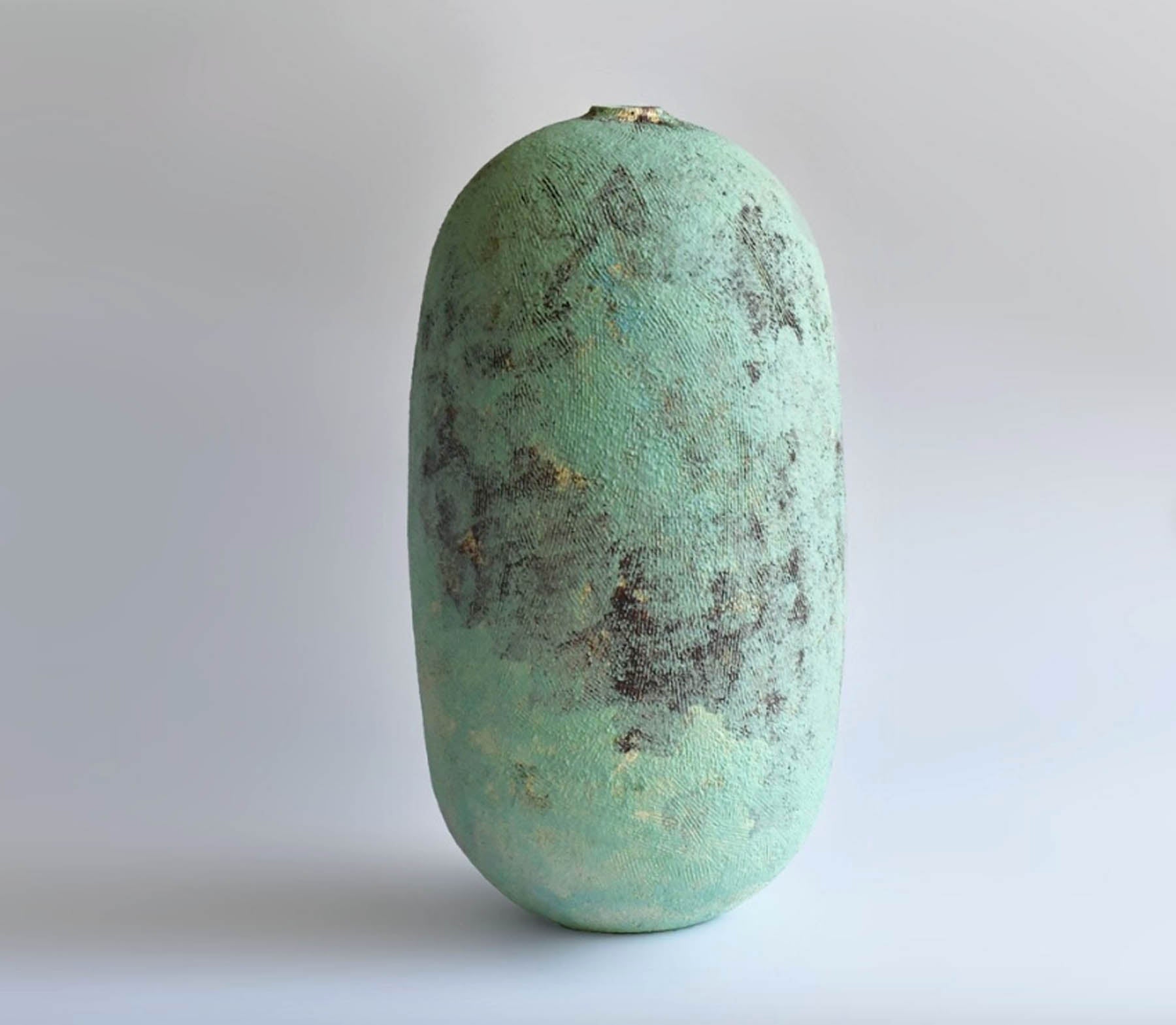
In a world that prizes precision, wood firing insists on wonder. It is an ancient ceramic practice—older than written recipes and younger than the first spark—that turns earth into art using only flame, air, and time. When a wood kiln climbs to its peak, ash sails through the chambers like weather, landing on clay and melting into natural glaze. The kiln records everything: how the pot sat, where the flames licked, how long embers held. The result is a surface with history in its skin—alive with variation, unrepeatable, and deeply human.
Collectors are drawn to wood-fired ceramics because each piece is one-of-one, an artifact of both intention and accident. At Trove Gallery, we celebrate this vivid alchemy through contemporary artists who work with traditional techniques—and through thoughtful pairings with glass and sculpture that elevate the experience at home. This is a deep dive into wood firing’s methods and magic, and a guide to living with the flicker of fire in your space.
What Is Wood Firing? The Ancient Kiln Reignited
“Wood firing” refers to ceramics fired in kilns fueled exclusively by wood. Unlike electric or gas kilns, where heat is even and programmable, wood kilns are elemental systems—part architecture, part instrument. As wood burns, its ash travels with the flame and deposits on hot clay surfaces. At high temperatures—often cone 10 to 13—the ash vitrifies into a glassy layer, creating natural ash glazes, drips, and a spectrum of warm tonal shifts known as flame flashing. Because the kiln atmosphere constantly shifts between oxidation and reduction, surfaces carry subtle marks that can’t be imitated by conventional glazes.
There are several kiln types, each shaping the final work. An anagama is a single-chamber, tunnel-like kiln that encourages dramatic ash build-up near the firebox and softer flashing in the back. A noborigama, or climbing kiln, uses multiple chambers stepped up a hillside, allowing pieces to travel through zones of temperature and ash. Train kilns and bourry box kilns provide other variations in flow and stoking. Whatever the design, wood firing is a long choreography: building an ember bed, stoking every few minutes for stability, pushing heatwork evenly through the load, and then letting the kiln cool slowly over days so crystals form and glazes settle.
Because ash is composed of calcium, potassium, and other fluxes, it melts at high heat and bonds with silica in the clay, creating micro-layered surfaces that invite closer looking. Shells sometimes serve as wadding to separate pots; their silhouettes remain as pale crescents or delicate “shell marks.” Iron in the clay can bloom into freckles, and edges turned to the flame can develop rivulets of glassy ash—gestures made by fire itself.
From Flame to Form: Surface Signatures on Porcelain
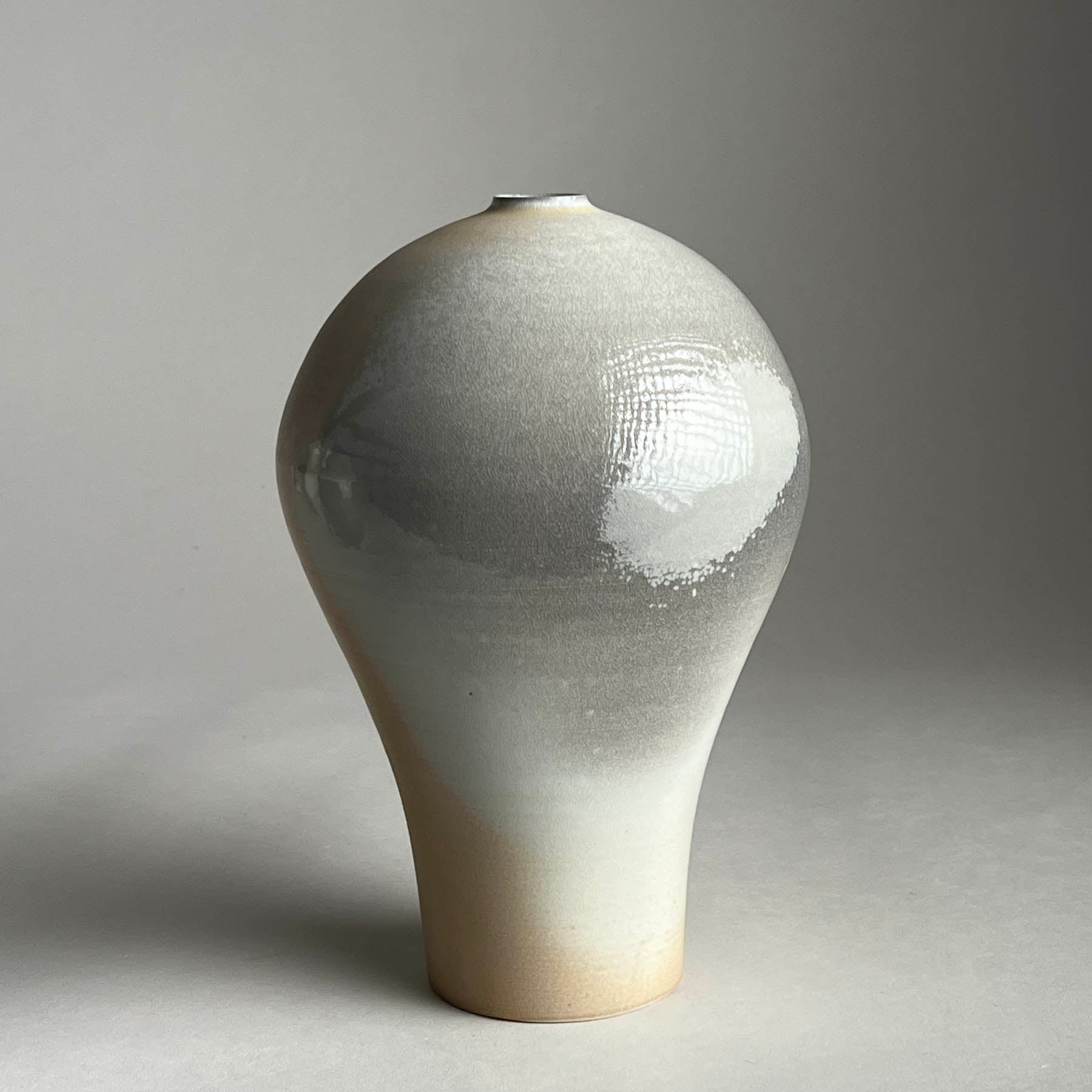
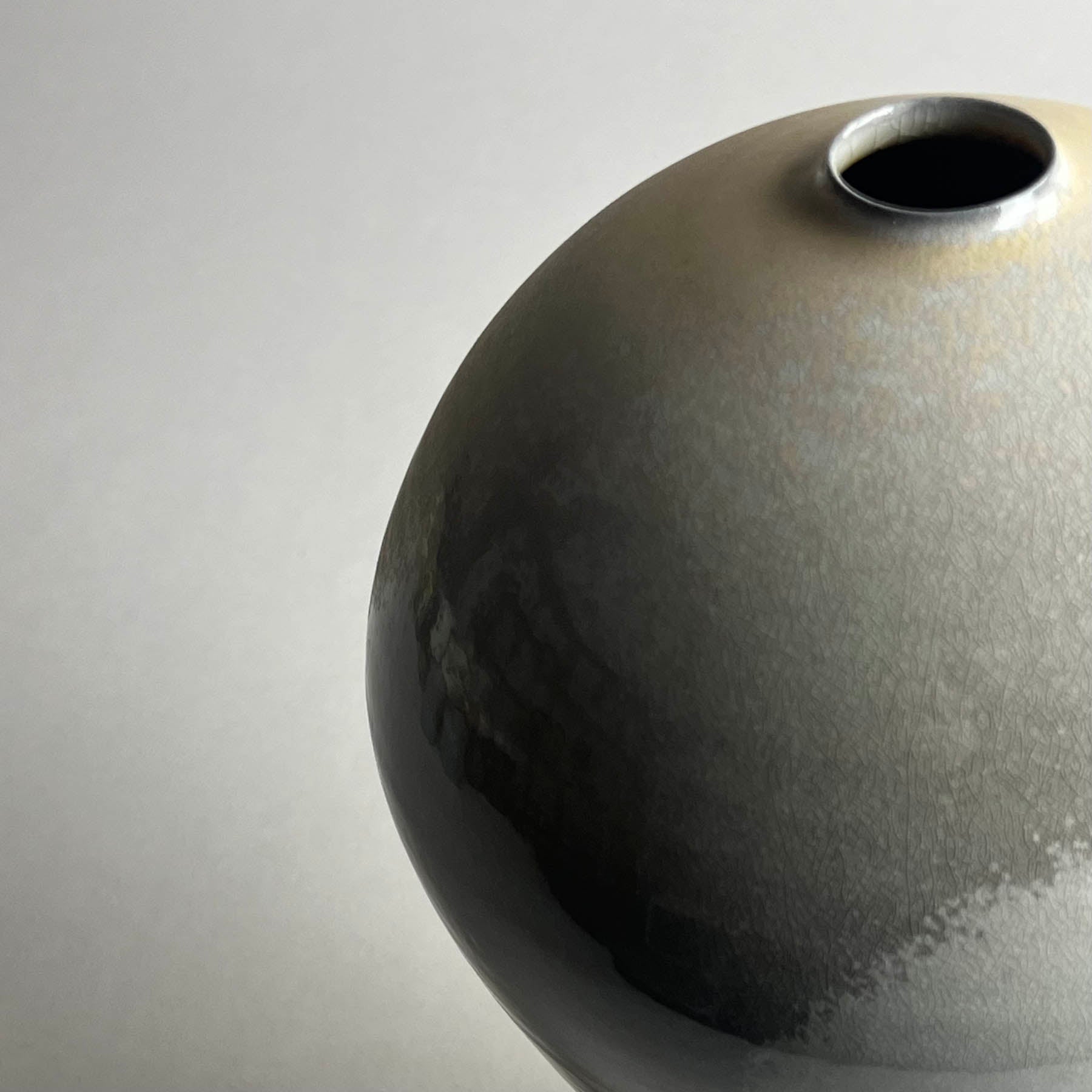
Porcelain in a wood kiln reads like parchment under sunlight: it shows everything. The material’s purity amplifies the way ash settles and the way flame shadows halo around rims and shoulders. At Trove Gallery, the wood-fired porcelain of Lilith Rockett embodies this clarity. Each piece is quiet in profile yet eloquent in surface—a study in restraint where the kiln writes the final line.
Consider Wood-Fired Porcelain Bowl 01 by Lilith Rockett (USD 910.00). Its pared-back silhouette offers a generous canvas for ash to settle into a subtle sheen, revealing faint flame shadows that drift across the curve. The bowl holds fruit beautifully, but it also holds light—those tender gradients visible in morning sun.
Rockett’s vessels, fired under similar rigor, become field notes on the behavior of flame. Wood-Fired Porcelain Vessel 01 (USD 1190.00) carries a quiet luster and evidence of wadding marks at the base—small, intentional points that propped it above the kiln shelf during firing. Vessel 02 (USD 1008.00) presents a softer, more matte register where ash landed lightly, while Vessel 03 (USD 1036.00) shows a slightly more glassy run where the flame’s path was more direct. Vessel 04 (USD 1008.00) feels transitional—neither fully glossy nor matte—an effect collectors admire for its nuanced reading of the kiln’s interior weather.
Two additional forms round out the series: Vessel 05 (USD 868.00) and Vessel 06 (USD 868.00). Their approachable scale makes them ideal for intimate spaces—on a bedside shelf, framing a reading chair, or anchoring a vignette on a console. Together these works demonstrate what wood-fired porcelain does best: it turns quiet geometry into living surface, where ash glaze, flame flashing, and the memory of heat are legible from every angle.
Where porcelain whispers, stoneware can sing. The “Ash Bloom” series by Chala Toprak embraces the lyrical possibilities of wood ash as both glaze and storyteller. Ash Bloom 02 (USD 1430.00) and Ash Bloom 07 (USD 1131.00) channel botanical energy—the way petals open and fold—through mineral cascades laid down by fire. You can read the kiln’s airflow in their skins, the ash resolving into soft glass along ridges and pausing at edges like dew. These are not just vessels; they’re weathered blossoms, forever caught in their moment of bloom.
Sculptural Narratives: Tradition Reimagined
Some artists use wood firing not merely to finish a form, but to add a chapter to an ongoing myth. Noe Kuremoto draws on archetypal figures—timeless guardians that feel excavated and contemporary all at once. Haniwa Warrior 93 (USD 1700.00) has the grounded presence of an ancient sentinel. Its earthy surface evokes the elemental pressure of the kiln: a record of fire’s passage across a resolute face. Place it on a mantel or amid books; its watchful energy lends rooms a quiet gravity.
Wood firing also enriches pieces that opt for a raw, timeworn patina—objects that look as though they’ve lived several lives. Consider the textured appeal of Àlvar Martínez Mestres and his sculptural sensibilities. The Distressed Sardinia Vessel (USD 732.00) carries a sunbaked presence, the kind that harmonizes beautifully with wood-fired ceramics. Placed beside Chala Toprak’s Ash Bloom works or Lilith Rockett’s porcelain, its tactile surface amplifies the story of material, landscape, and time.
For those building a collection, these sculptural voices interweave. Think of them as chapters in a single narrative: earth shaped by hand, altered by flame, and offered to the home as a companion for daily life.
Fire and Light: Pairing Wood-Fired Ceramics with Glass
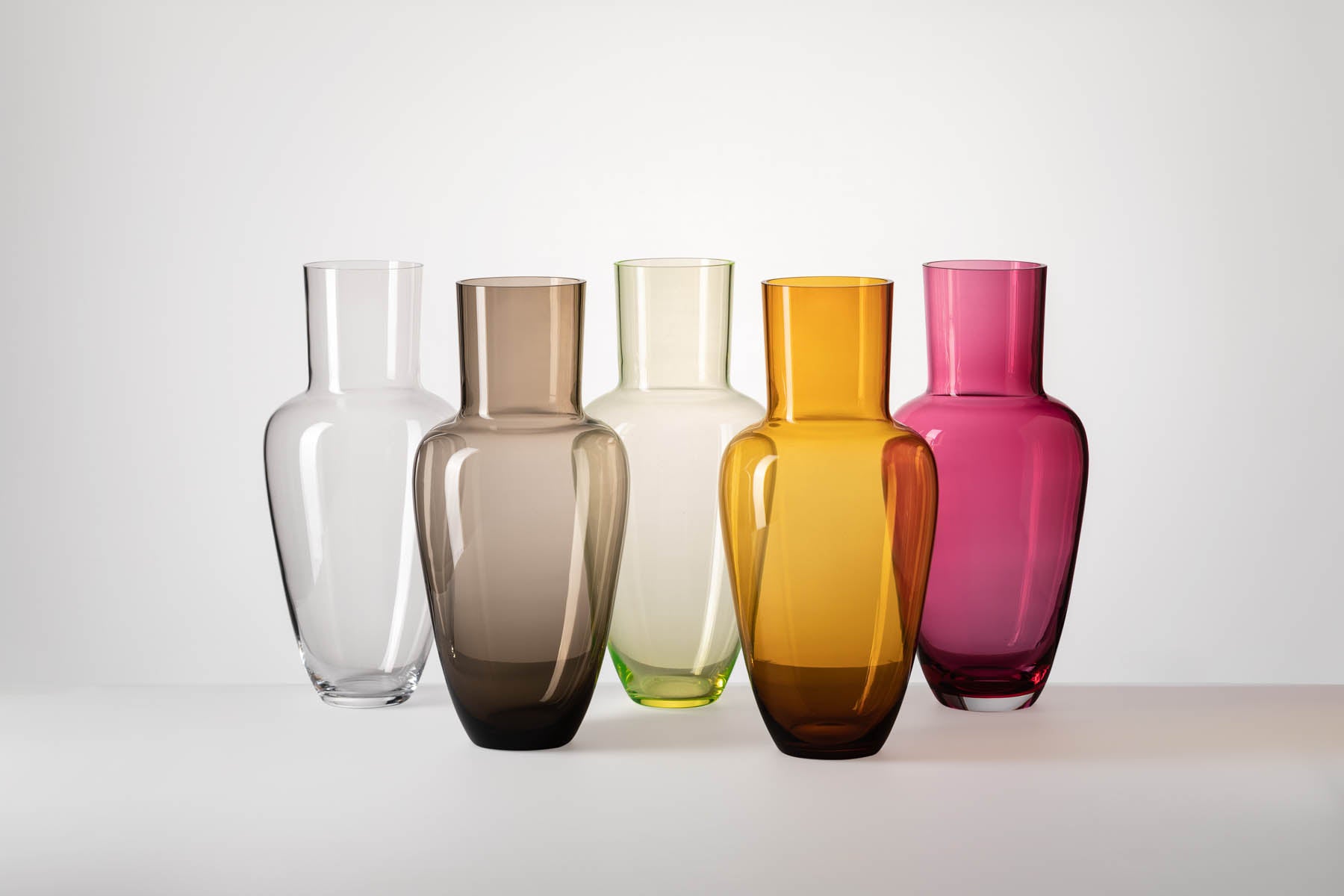
While wood-firing crafts nuanced, mineral-rich surfaces, glass introduces pure light. Pairing the two creates visual tension and balance: matte versus gloss, opacity versus transparency, hearth versus prism. At Trove, we curate cross-material dialogues that make rooms feel composed and alive.
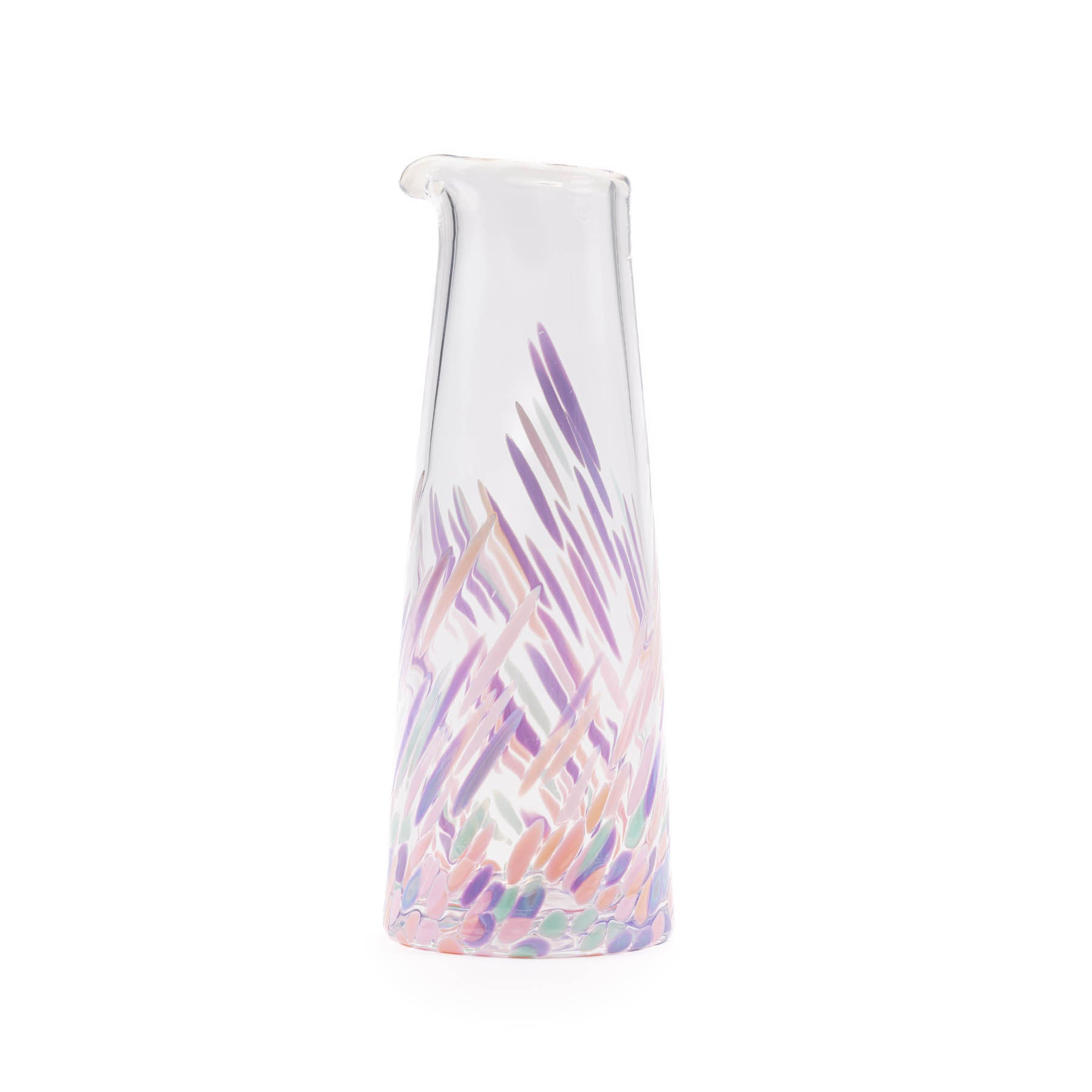
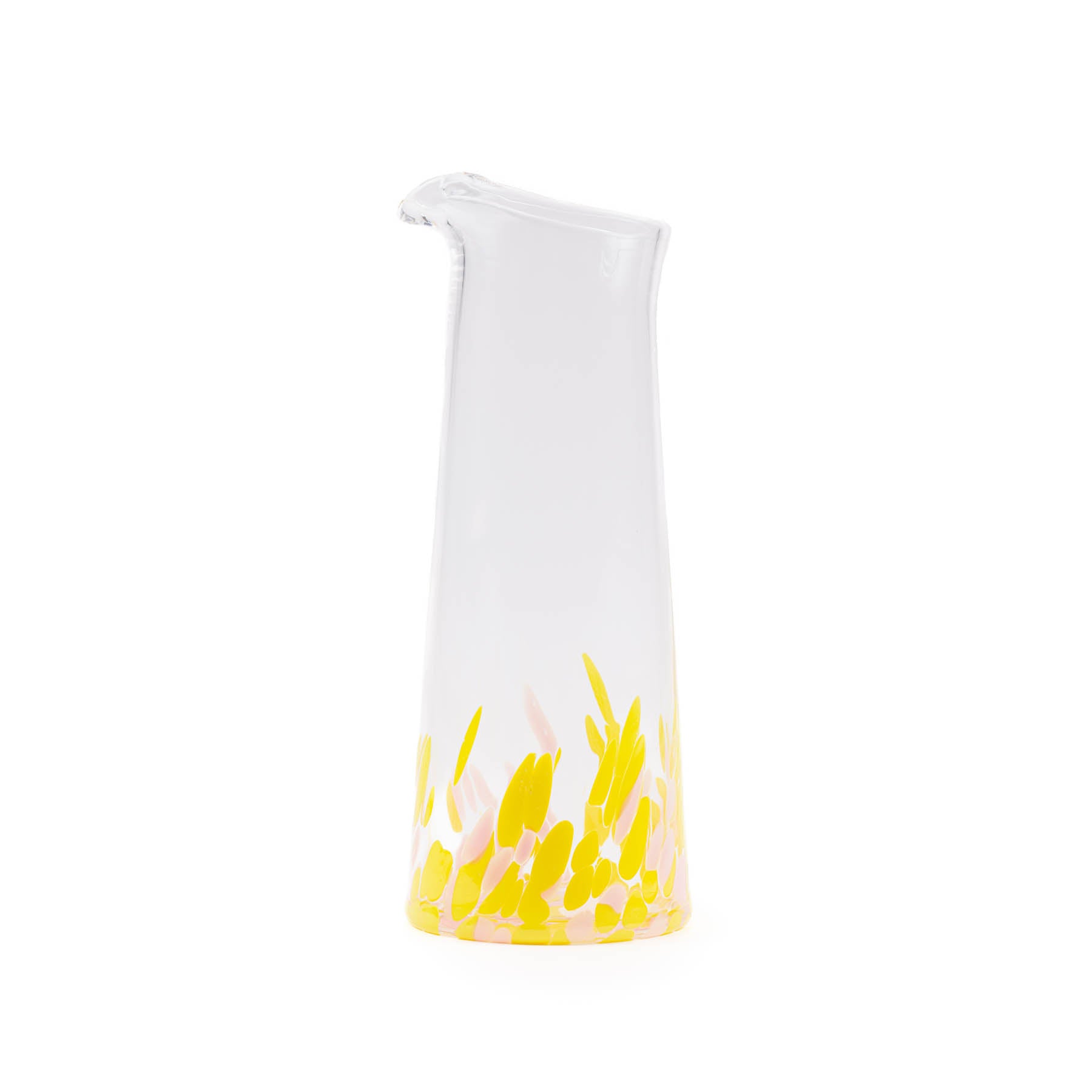
The joyous sparkle of Anna von Lipa is a radiant counterpoint to ash-kissed clay. The Confetti Carafe (USD 214.00) brings celebratory color that dances through water or wine. Set it beside Lilith Rockett’s Wood-Fired Porcelain Bowl 01 and watch how the porcelain’s soft shifts make the carafe’s speckled hues glow even brighter.
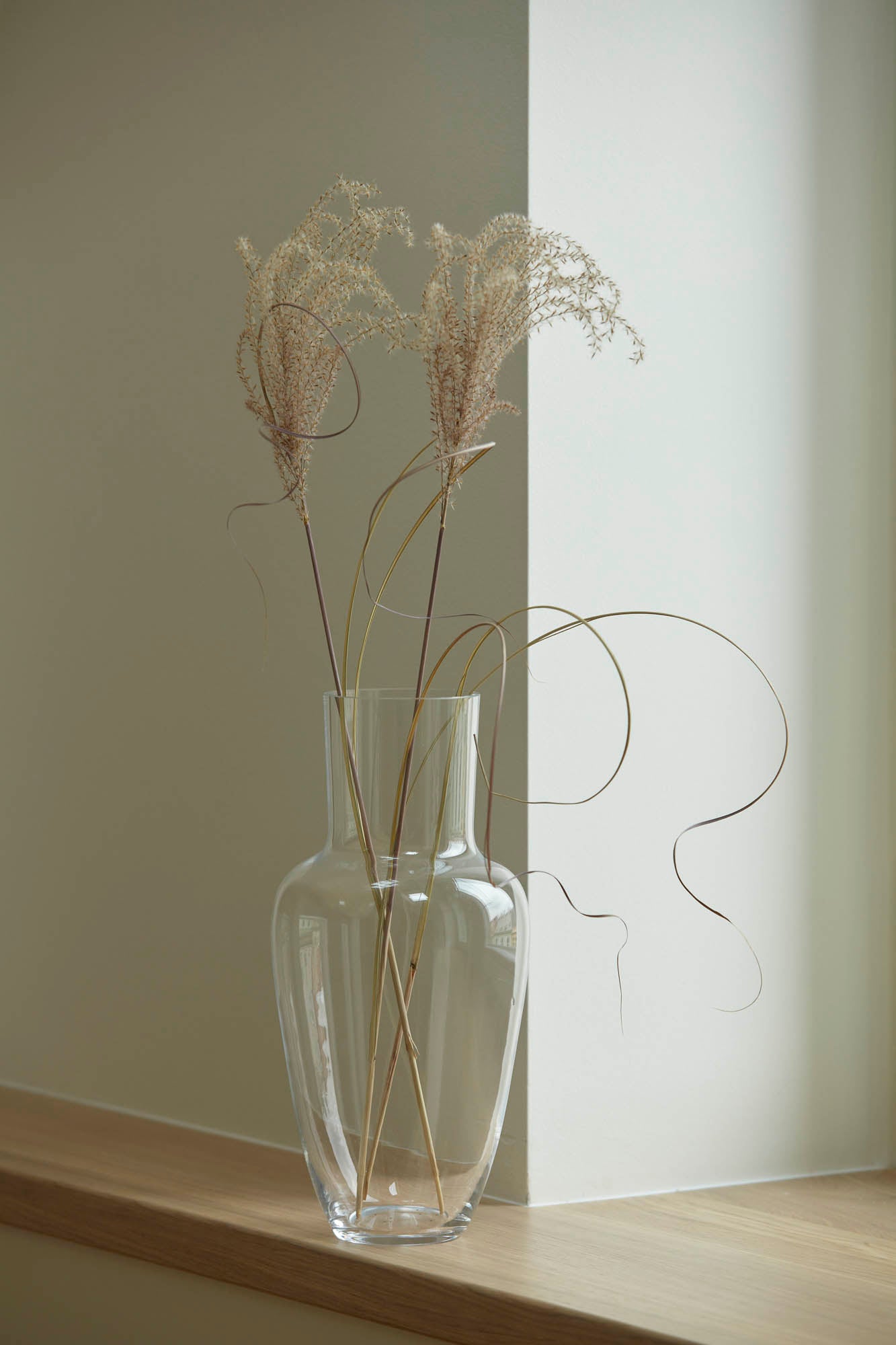
For a more sculptural glass presence, František Jungvirt offers crystalline clarity with hand-finished detail. His Transparent Garden Vessel (USD 825.00) magnifies light like a lens. Place it near Wood-Fired Porcelain Vessel 01 or Vessel 03; the interplay of reflection and shadow makes a still life that evolves throughout the day.
Faustine Telleschi adds gesture and movement with the Ruffles Vase (USD 534.00). Its undulating lip echoes the flame’s own choreography, beautifully mirroring the natural ripples of ash found on wood-fired forms. For a bolder statement, Marcela Cure creates collector-level glass with commanding presence. Septem (USD 8250.00) is a centerpiece—a sculptural meditation that holds a room. Pair Septem with Haniwa Warrior 93 to balance gleam and gravitas.
Each of these glassworks refracts the kiln story in a new register. Together, they show that “modern results” don’t mean abandoning tradition; they mean composing today’s interiors with the richest materials we have—fire-formed clay and light-born glass, side by side.
Inside the Kiln: A Firing Diary
Wood firing is a collaborative performance between makers and material. Picture the process as a diary in heat. Day 1: the kiln is loaded, each piece spaced to welcome airflow. Wadding—small, refractory clay pads—raises the work from the shelves, preventing it from fusing while leaving faint, intentional marks. Large vessels sit where ash will build; finer porcelain stands in calmer currents. The door is bricked, spyholes closed, and kindling begins.
As the temperature rises, the crew establishes an ember bed—a radiant red river that stabilizes the kiln’s heart. Stoking continues through the night, slipping carefully cut wood through the firebox. The aim is consistent heatwork, not just high temperature. On Day 2, the kiln approaches maturation, perhaps cone 12 leaning in the front. The atmosphere alternates: moments of reduction to coax warmth and depth, then breathers of oxidation to clear the surfaces. The sound shifts from crackle to a measured roar. Sometimes the stoke ports glow so brightly the kiln seems to pulse. Cones drop, one after another, a line of tiny flags that say: almost there.
By Day 3, the kiln has been working as long as a concert. The crew reads flame through spyholes, adjusting rhythm to avoid temperature cliffs. They may side-stoke along the kiln’s length to encourage ash to travel, or hold steady to let deposits melt. When the final cone bows and kisses the shelf, the fire quiets. Then patience: the kiln cools for days. During that time, crystals grow in the ash glaze, edges firm, and color completes its slow bloom. Only at the opening do the true results appear.
What to look for when the door comes down? Shell marks that trace where a support once touched. Ash drips like frozen rain. Flame-flashed shoulders—soft halos on curves turned toward the fire. On porcelain, even a whisper of ash can read as a luminous veil. On stoneware, iron freckles might pepper the surface. These details don’t just “decorate.” They testify. A wood-fired piece carries its own provenance in its surface, a genuine signature of process.
Care is simple. Wash vessels by hand, avoiding abrasive scrubbers. Many wood-fired works are watertight, but if you plan to keep fresh stems for more than a few days, use a glass insert to protect matte interiors. Adhesive felt under bases will safeguard shelves and stone. Above all, rotate pieces seasonally—wood-fired surfaces reward changing light.
Collecting Wood-Fired Work: How to Choose, How to Live With It
Start with form. A strong silhouette will carry any surface. Lilith Rockett’s vessels are exemplary here: each profile refined enough to be quiet in a room, yet complex enough to catch and hold the kiln’s attention. If you’re new to wood-fired ceramics, Vessel 05 and Vessel 06 offer accessible entry points—modest scale, nuanced surfaces, and prices at USD 868.00 that invite living with them daily. As your eye grows, pieces like Vessel 01 (USD 1190.00) become anchor points for a shelf or console.
Next, read the surface as you would a painting. Look for layered effects: a matte shoulder moving into a satin belly, or a glassy run pausing at a foot. In Ash Bloom 02 (USD 1430.00) and Ash Bloom 07 (USD 1131.00), the kiln’s mineral wash breaks like light through leaves. In Wood-Fired Porcelain Bowl 01, a gentle ash veil may shift as daylight turns, softening edges and revealing the faintest flame paths.
Consider narrative pieces for focal points. Haniwa Warrior 93 (USD 1700.00) brings ancestral resonance. It doesn’t need much around it—perhaps a single glass form like Transparent Garden Vessel (USD 825.00) or the celebratory color of Confetti Carafe (USD 214.00). If your space welcomes bold statements, anchor a credenza with Septem (USD 8250.00), then create dialogue with the tactile depth of Distressed Sardinia Vessel (USD 732.00) and a refined wood-fired porcelain form.
Above all, embrace variation. No two wood-fired works are alike; that’s the point. What some might call irregularity is precisely what collectors value—the visible record of ash glaze, flame patterns, and the kiln’s changing atmosphere. When you live with these pieces, you live with process itself. Morning light will find new notes. Evening lamps will sharpen edges. In winter, surfaces feel warmer; in summer, cooler. The work breathes with your home.
Ready to begin or grow your collection? Explore our wood-fired selections and kindred pieces across our makers: Lilith Rockett, Chala Toprak, Noe Kuremoto, Anna von Lipa, František Jungvirt, Faustine Telleschi, Marcela Cure, and Àlvar Martínez Mestres.
Bring the kiln’s poetry home. Shop the full edit or visit each maker’s collection to discover the piece that speaks in your language of light, texture, and time.