Slip Casting: Precision and Possibility
What Is Slip Casting?
Slip casting is one of the most elegant techniques in modern ceramics: a choreography of liquid clay, absorbent molds, and carefully measured time. In the studio, a porcelain or stoneware suspension—called slip—is poured into a plaster mold. Plaster wicks moisture from the slip and, minute by minute, a uniform clay wall grows against the mold’s interior. When the desired thickness is reached, the excess slip is poured out, and a hollow, precisely shaped form remains. After a short rest, the piece is released, refined, and fired into permanence.
For designers and collectors who prize crisp silhouettes, repeatable geometries, and subtle surface nuance, slip casting offers rare precision—and surprising possibility. In skilled hands, ceramic slip casting can yield anything from whisper-thin vessels to modular sculptural objects that stack, nest, and converse with light. Even within the apparent uniformity of a mold, each piece carries its own fingerprints: micro-variations in thickness, hand-finished rims, and the living marks of glaze and fire.
At Trove Gallery, we champion this balance of control and character. Our curated selection of slip cast–inspired forms includes sculptural ceramics, cast concrete luminaires, and textured vessels that reveal how casting, in all its material expressions, is shaping the language of contemporary, handcrafted home decor.
Inside the Mold: From Liquid Clay to Lasting Form
The quiet magic of slip casting unfolds in stages, each one demanding attention and craft. It begins with the mold. Makers often create a prototype in plaster, wood, or 3D-printed resin, then build a multi-part plaster mold that will hold—and then release—the form. The mold sets the boundaries; the hand gives the piece its soul.
Step 1: Preparing the slip. Clay body, deflocculants, water, and sometimes colorants are combined to create a silky, pourable medium with predictable flow. The viscosity must be just right—too thick and the slip won’t fill fine detail; too thin and the walls will take too long to build.
Step 2: Pouring. The plaster mold is assembled, banded, and filled. As plaster draws water from the slip, a layer of solid clay forms against the interior surface. The thickness depends on time and clay body, but most makers monitor by experience—waiting for that perfect moment when structure and lightness meet.
Step 3: Draining. The excess slip is poured out, leaving a clean, hollow shell. A few more minutes in the mold allow the piece to strengthen just enough to be handled.
Step 4: Release and refinement. The mold opens. Seams are joined and cleaned, edges are softened, and surface details—whether razor-sharp or gently rounded—are honed with sponges, ribs, and blades.
Step 5: Drying and firing. The greenware dries slowly to prevent warping, then moves to the kiln for bisque firing. After glazing or sealing, a final firing locks in color, sheen, and strength.
Throughout the process, the maker’s decisions—slip recipe, pour time, mold geometry, trimming and finishing, glaze or polish—determine the personality of the final work. It’s this combination of method and intuition that enables cast forms to feel both exacting and alive.
The Poet’s Precision: Collector Favorites at Trove
Slip casting’s affinity for pure geometry and rhythmic repetition makes it ideal for sculptural objects that read as both design and art. Nowhere is this more evident than in the work of artists whose collections explore modularity—repeating shapes that can be grouped, stacked, or arranged to speak to one another across a mantel or dining table.
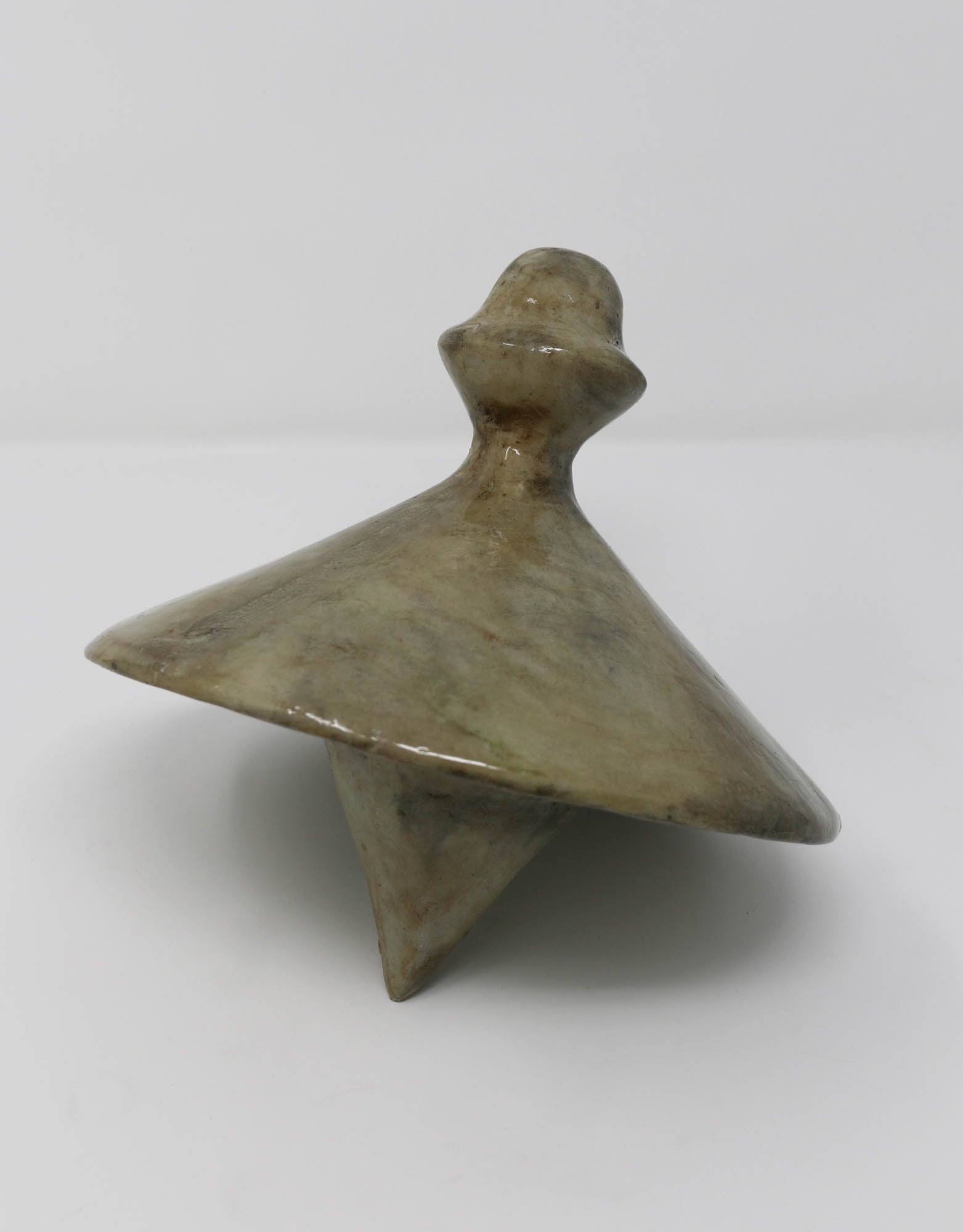
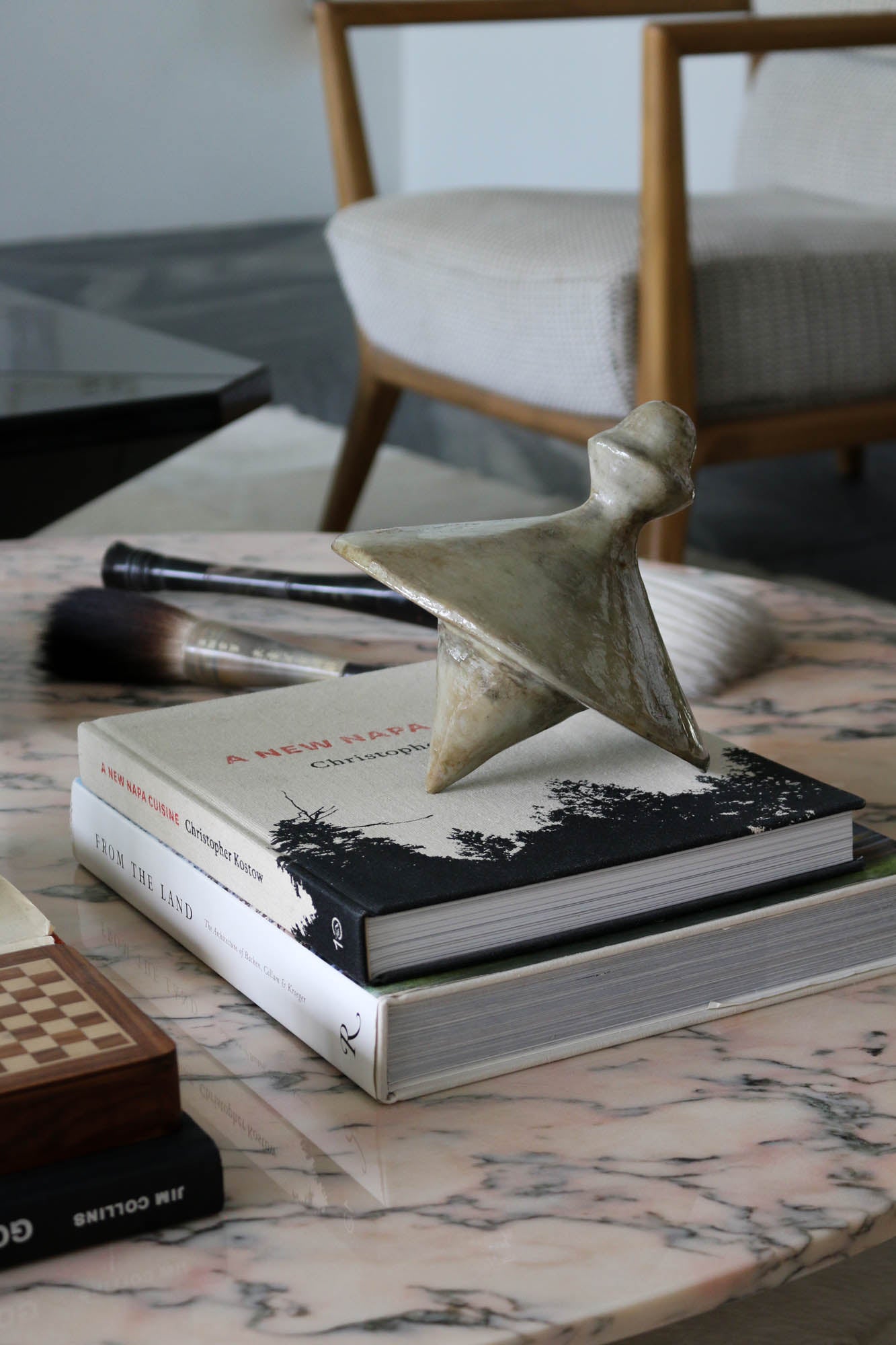
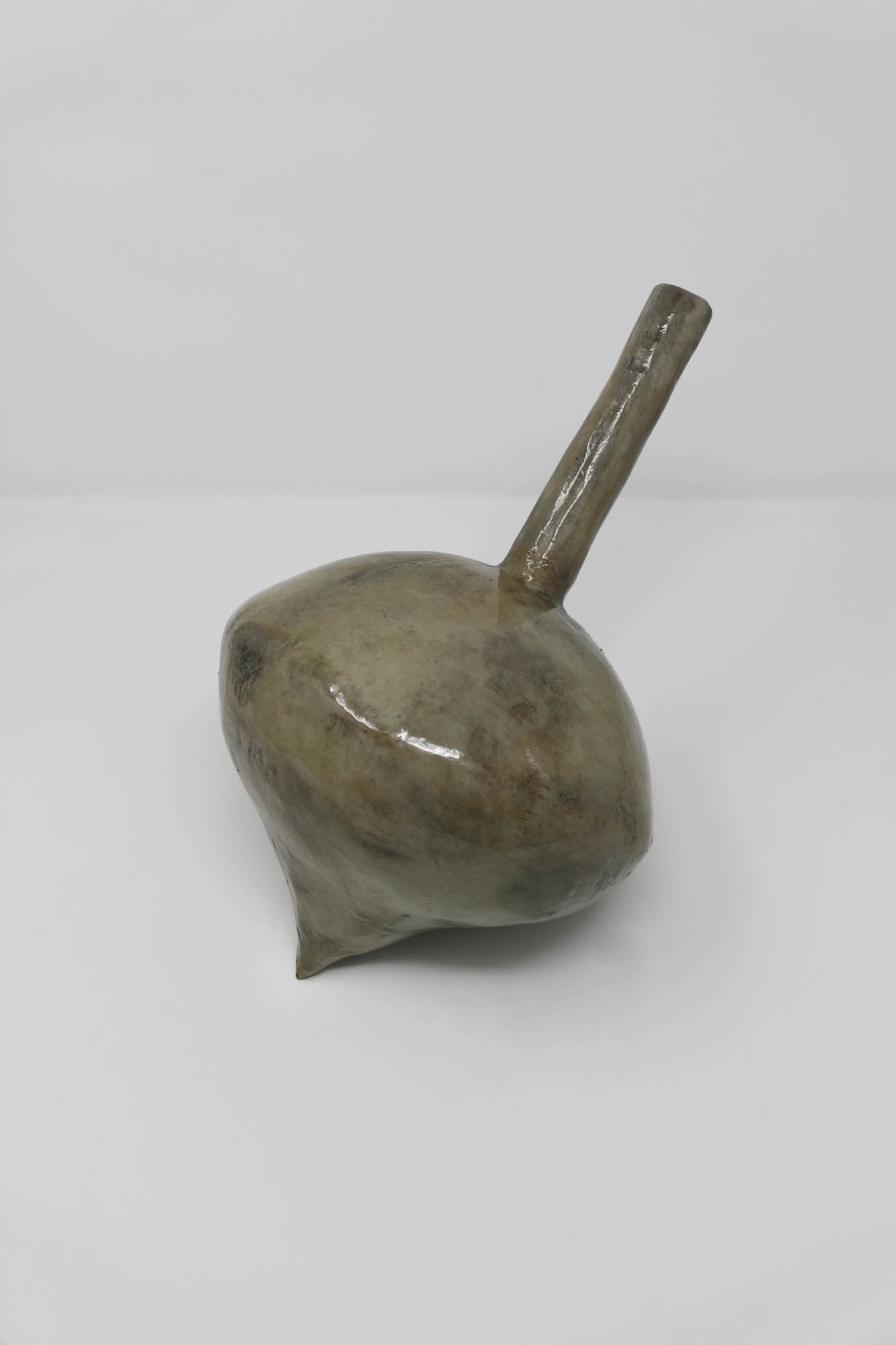
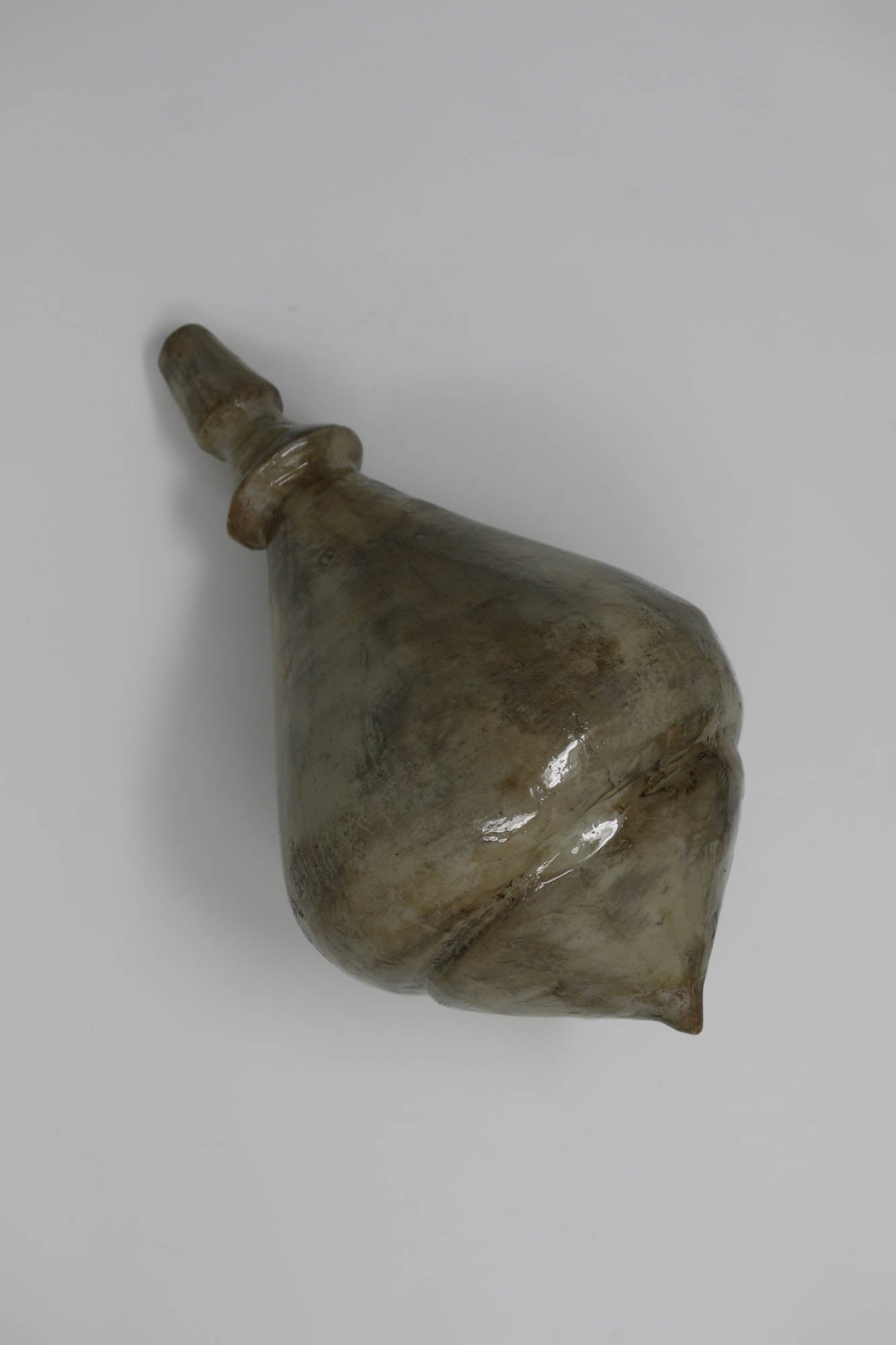
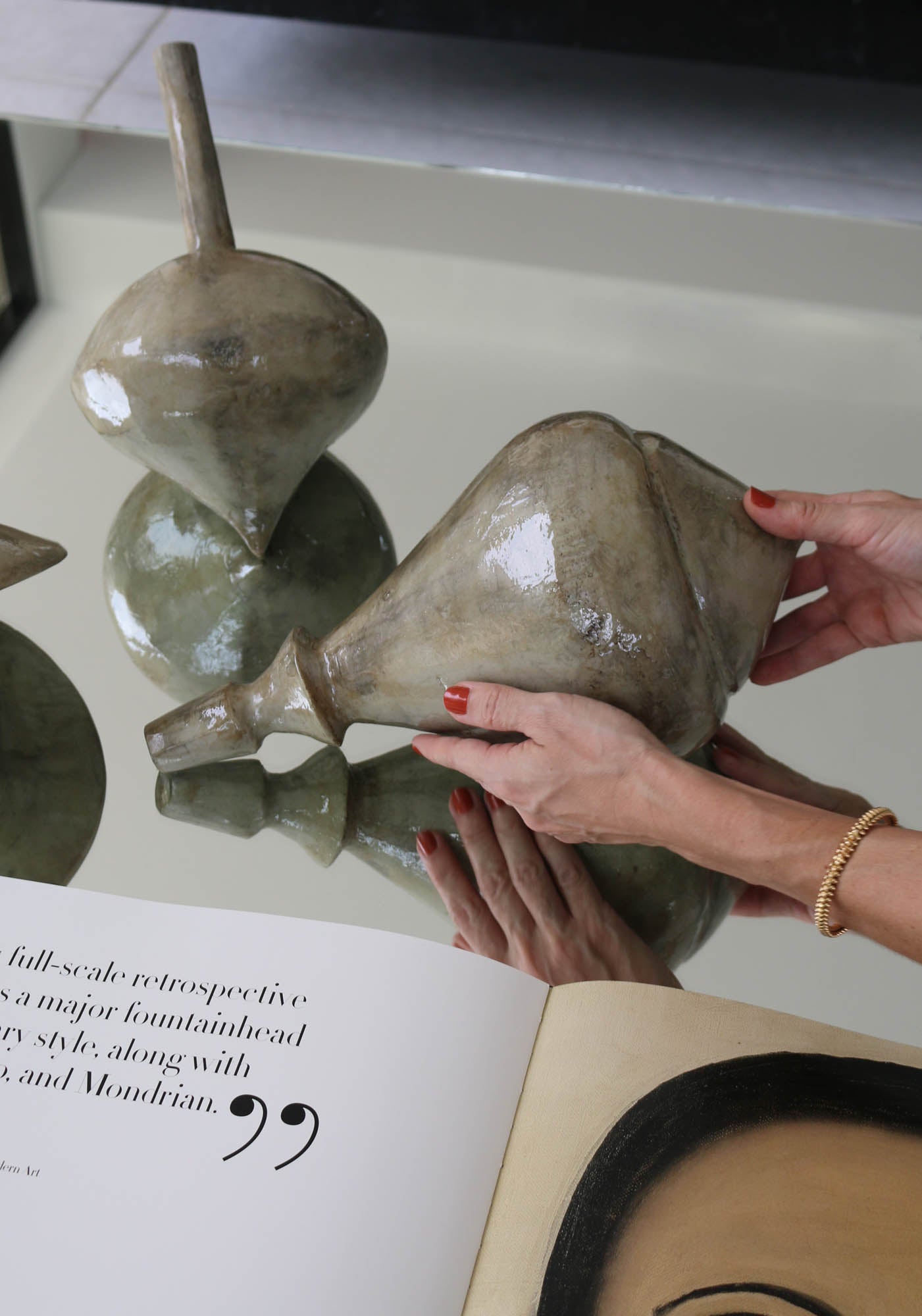
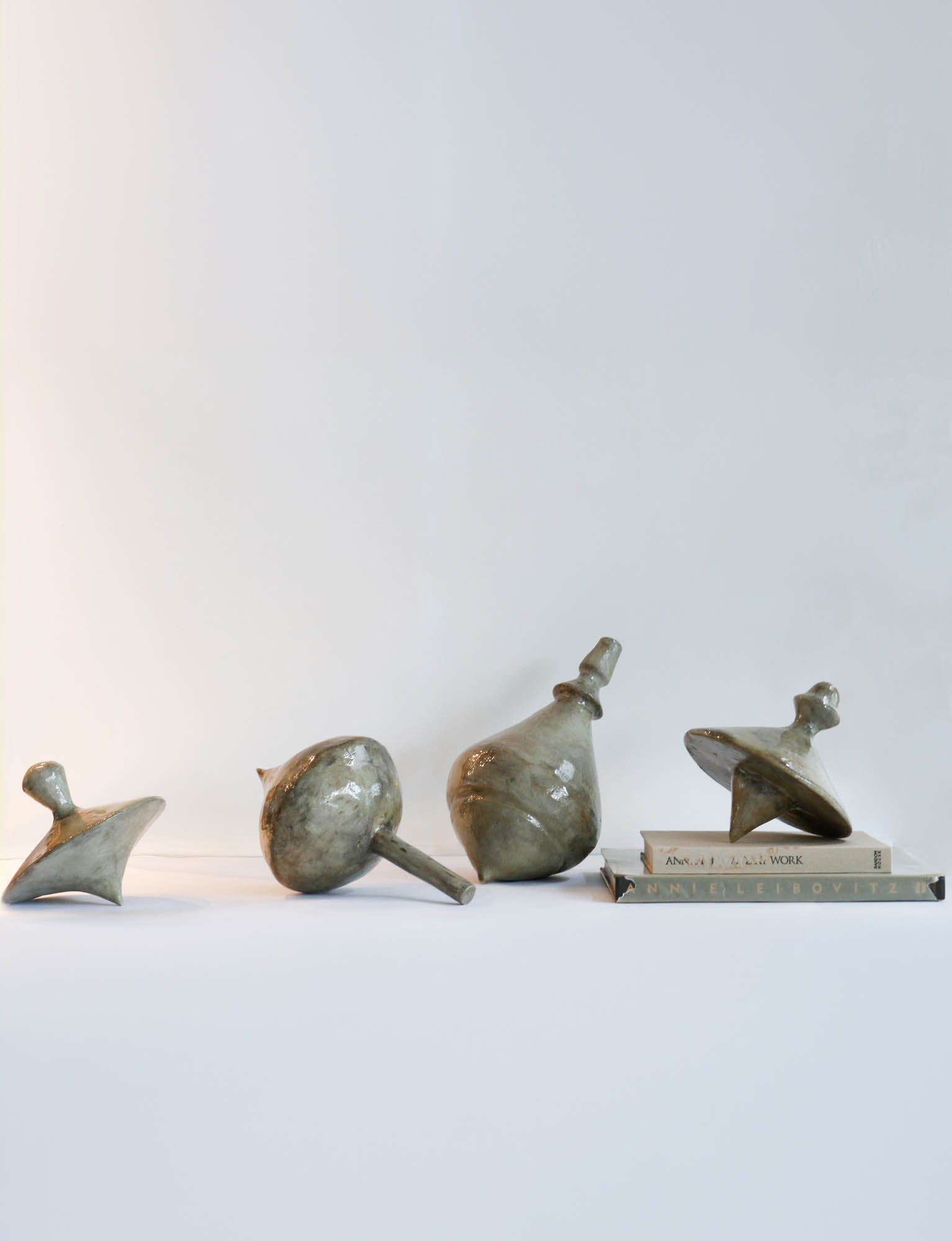
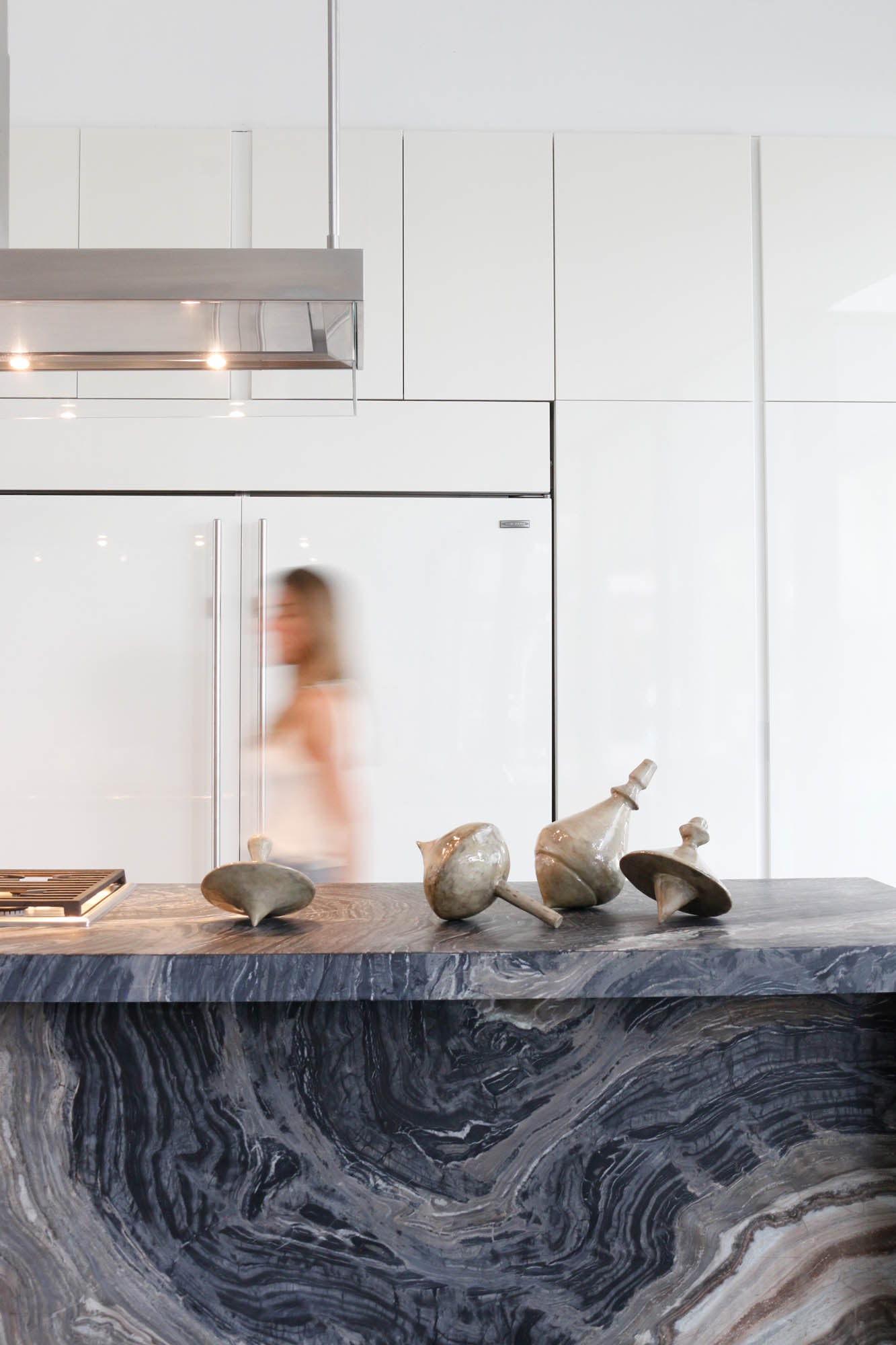
Consider the nuanced, sculptural presence of the Trompos series by Marcela Cure. These collectible objects, available individually and in sets, convey the focused calm of perfectly balanced forms. Trompos Dos ($1,170.00), Trompos Tres ($1,320.00), and Trompos Cuatro ($1,560.00) can stand alone as sculptural accents or converse in clusters for visual rhythm. For a curatorial statement in one gesture, explore the Set of 4 Trompos ($4,600.00). If you’re drawn to variations on a theme, Trompos A (set of 3) ($3,565.00) and Trompos B (set of 3) ($3,565.00) offer distinct compositions that harmonize beautifully together.
For a commanding centerpiece, Septem ($8,250.00) brings monumental poise. The work’s layered forms and refined surfaces demonstrate how slip casting empowers the creation of complex volumes while preserving exacting lines. Whether placed on a console beneath a wash of natural light or at the heart of a dining vignette, Septem anchors the room with quiet authority.
Each of these pieces celebrates what collectors admire most about slip cast ceramics: consistency where it matters, and variability where it delights. Slight differences in surface, the whisper-thin line where a seam has been hand-refined, the way a matte finish absorbs light—these are the marks of the studio, and they make each work genuinely one of a kind.
Casting Beyond Clay: Concrete Glow and Textured Vessels
Although slip casting is rooted in ceramics, the larger language of casting crosses materials—concrete, resins, and composites—expanding what’s possible on the table and in the home. We love curating dialogues between clay and its kindred forms: cast concrete that glows from within, hand-finished textures that echo organic surfaces, and sculptural trays that play with shadow.
From KONZUK, the Orbis Concrete Candle ($192.00) and Orbis Concrete Vessel ($345.00) exemplify architectural restraint. Poured into carefully crafted molds, their pared-back cylinders have a tactile, mineral surface that pairs elegantly with ceramic work. The candle’s soft halo of light warms matte finishes; the vessel stands ready for keepsakes or florals with a distinctly modern profile. Complete the composition with Pillar Candles (set of 3) ($697.50), whose crisp lines underscore the geometry of cast forms.
Texture lovers will be drawn to the sensual surfaces of GILLES CAFFIER. The Shagreen Votive ($213.00) reveals a delicate, shimmering grain reminiscent of shagreen—its pattern catching and releasing light with subtlety. The sculptural Cactus Vase ($2,106.00) introduces a lyrical silhouette that feels both organic and impeccably refined. These pieces demonstrate another facet of casting: the ability to translate intricate textures and biomorphic lines into durable, functional art.
For a graphic counterpoint, Studio S II offers the Brutalist Catchall ($263.00), a sculptural tray whose strong relief and confident massing make it a superb stage for keys, jewelry, or a single flower stem. Its cast form dialogues beautifully with the organized geometry of slip cast ceramics, grounding a vignette with shadow and scale.
Curating Cast Forms at Home
The pleasure of collecting cast work lies not only in process but in how these pieces live with you. Their clarity of line and confident form make them natural anchors for entryways, consoles, and dining tables. Here are a few considered ways to bring precision and possibility into your space.
Compose in rhythms. Pair a singular sculpture like Septem with one or two smaller counterparts—say, Trompos Dos and Trompos Tres—to create a cadence of heights without crowding. This interplay of repetition and variation is where slip cast design truly sings.
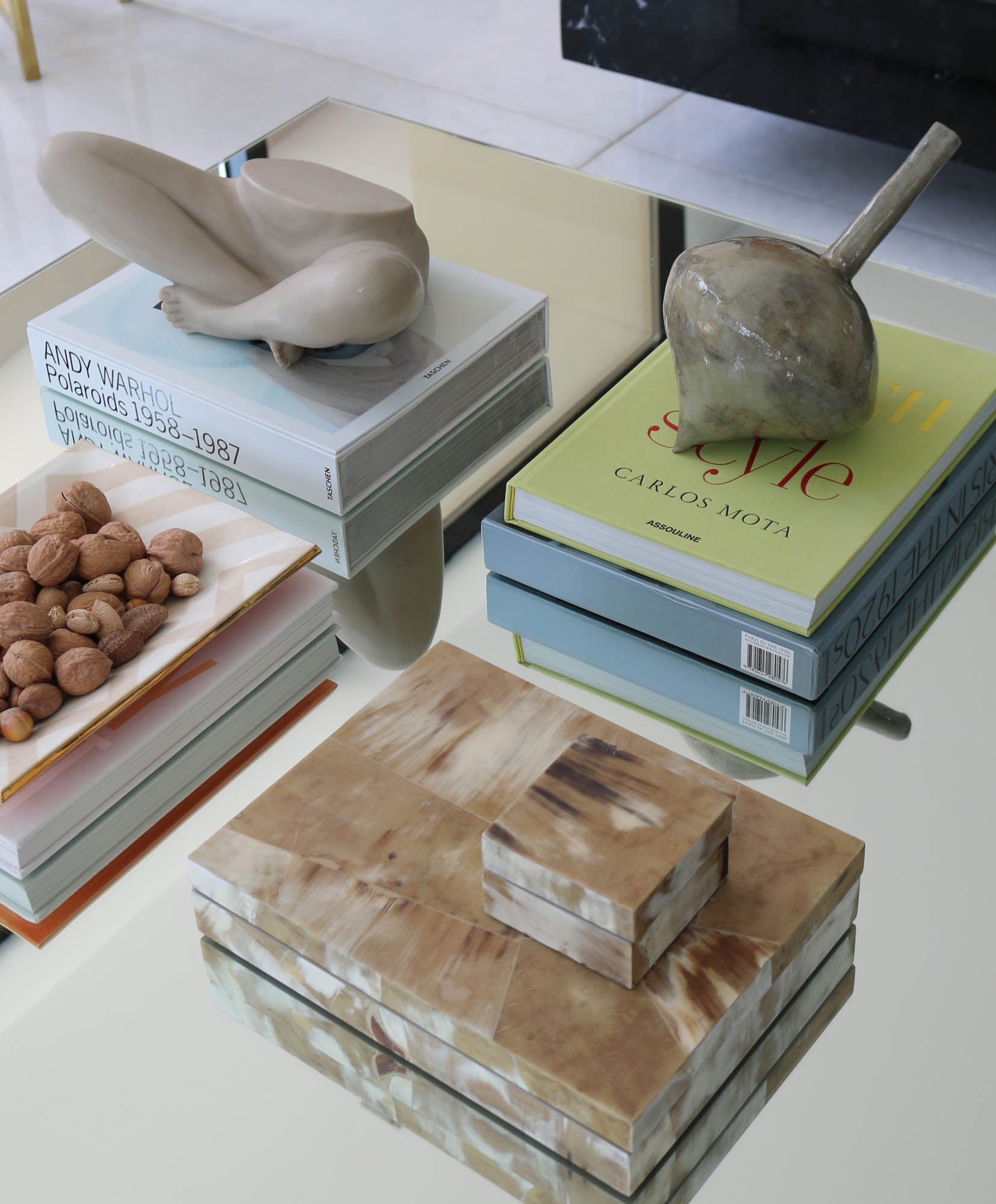
Layer materials. Let ceramic matte meet mineral sheen. The cool, architectural presence of KONZUK’s Orbis Concrete Candle beside a Trompos composition sets a serene mood for evening gatherings, while the Orbis Concrete Vessel offers quiet storage for incense, matches, or letterpress coasters.
Play with texture. Introduce a touch of shimmer with the Shagreen Votive, whose surface comes alive by candlelight. On a bookshelf, tuck the Brutalist Catchall beneath a stack of art books; its sculptural profile reads beautifully from across the room.
Ground the vignette. Stone furnishings provide a perfect counterbalance to the lightness of cast forms. From Marbera, the Gaia Table ($3,156.00) offers a refined foundation—its natural veining sets off the satin surfaces of ceramic pieces. The Gabi Onyx Stool ($2,933.00) adds sculptural gravity to a corner tableau; perch a Trompos set on top for a gallery-like presentation that invites closer looking.
Caring for cast pieces is straightforward. For most ceramic slip cast objects, dust gently with a soft, dry cloth; spot-clean with a barely damp cloth when needed and avoid abrasive pads. Concrete objects benefit from the same gentle approach; wipe spills promptly and condition sparingly if recommended by the maker. For candlelit pieces, keep wicks trimmed and avoid prolonged direct sunlight to preserve surface nuance. Above all, handle with the same intention the maker brought to each step in the studio—care is part of the ritual.
Start Your Collection
Slip casting rewards attention: the shadow where a curve tightens, the exactness of a rim, the way repetition becomes rhythm. If you’re new to the technique, begin with a single, sculptural object and build outward. The Trompos Dos ($1,170.00) is a beautifully scaled introduction; add Trompos Cuatro ($1,560.00) for a compelling duet. If you prefer a ready-made composition, choose the Set of 4 Trompos ($4,600.00) or explore the distinct perspectives of Trompos A (set of 3) and Trompos B (set of 3) (each $3,565.00). For a singular statement, Septem ($8,250.00) anchors any room with sculptural grace.
Then, introduce complementary materials. Illuminate your vignette with KONZUK’s Orbis Concrete Candle ($192.00) and complete the scene with the Orbis Concrete Vessel ($345.00) and Pillar Candles (set of 3) ($697.50). Add tactile contrast with the Shagreen Votive ($213.00) and sculptural impact with the Cactus Vase ($2,106.00). For daily elegance, the Brutalist Catchall ($263.00) lends order and artfulness to your entry or nightstand.
Explore more from the makers shaping this conversation. Visit the collections of Marcela Cure, KONZUK, GILLES CAFFIER, Studio S II, and Marbera to discover the breadth of handcrafted, collectible design at Trove Gallery.
Ready to live with precision and possibility? Shop the featured pieces, curate a vignette that reflects your eye, and join our newsletter for first access to new slip cast ceramics, limited editions, and studio stories. Your next chapter in modern craft begins here.