Oxidation Firing: Master Technique Explained
Oxidation Firing, Master Technique Explained
In the world of ceramic arts, few processes influence the final look and feel of a piece as profoundly as the kiln atmosphere. Oxidation firing—an oxygen-rich environment used in many electric kilns and carefully managed fuel kilns—results in luminous, true-to-form colors, clean silhouettes, and surfaces prized for their consistency. For collectors who love nuance without unpredictability, oxidation-fired ceramics offer a compelling balance: the soul of the handmade with a refined, gallery-ready polish.
At Trove Gallery, we celebrate the mastery behind this technique. Whether you're drawn to sculptural forms, crisp whites, or glazes that glow with clarity, understanding oxidation firing helps you choose pieces that harmonize beautifully in your space—and that age gracefully over time.
Below, we explore how oxidation firing works, what it does to color and texture, and how artisans across our community—ceramicists, glassblowers, and mixed-media makers—use clarity and contrast to craft unforgettable, heirloom-worthy design.
Color, Chemistry, and Surface in an Oxygen-Rich Kiln
In simple terms, oxidation firing means the kiln atmosphere contains ample oxygen during the heatwork of a firing cycle. That oxygen allows metallic colorants—like iron, copper, cobalt, and manganese—to fully oxidize. The result is predictable chemistry, which translates into reliable, often brighter color results. Whites stay pristine, tans and sand tones read clean, translucent glazes remain truly translucent, and dark inclusions or ash effects typically stay at bay.
This differs from reduction firing, where fuel (often gas or wood) burns oxygen away, forcing colorants to “steal” oxygen from glazes and clay bodies. Reduction often produces moody, smoky, or variegated surfaces. Oxidation, by contrast, holds a steady mirror to the potter’s intention—revealing crisp lines, the body’s natural hue, and the glaze’s designed palette.
For collectors, that chemistry matters. Oxidation firing often brings out:
• Clarity: The body color—especially porcelains—stays bright and true, and fine carvings or hand-built edges remain sharply defined.
• Color fidelity: Copper tends toward greens; iron leans warm, honey, or cinnamon; cobalt stays a clean blue. Many matte and satin glazes retain their nuance without unexpected flashing.
• Surface harmony: Without ash or heavy vapor interactions, textures read as the artist crafted them: carved, faceted, ruffled, or smoothed to a soft eggshell sheen.
Oxidation isn't better or worse than reduction—it’s a different lens. In the same way a museum lighting designer chooses brightness and color temperature for paintings, makers choose kiln atmospheres to illuminate their ideas.
In the Collection: Ceramics that Showcase Control
Oxidation-fired pieces often spotlight purity of line and intention—the way a contour catches light, or a glaze pools gently along a curve. Consider the sculptural presence of Haniwa Warrior 93 by Noe Kuremoto (USD 1,700.00). Rooted in the timeless language of warrior figures, its quiet authority is enhanced by a finish that reads crisp and grounded, emphasizing the handmade character of every plane and incision.
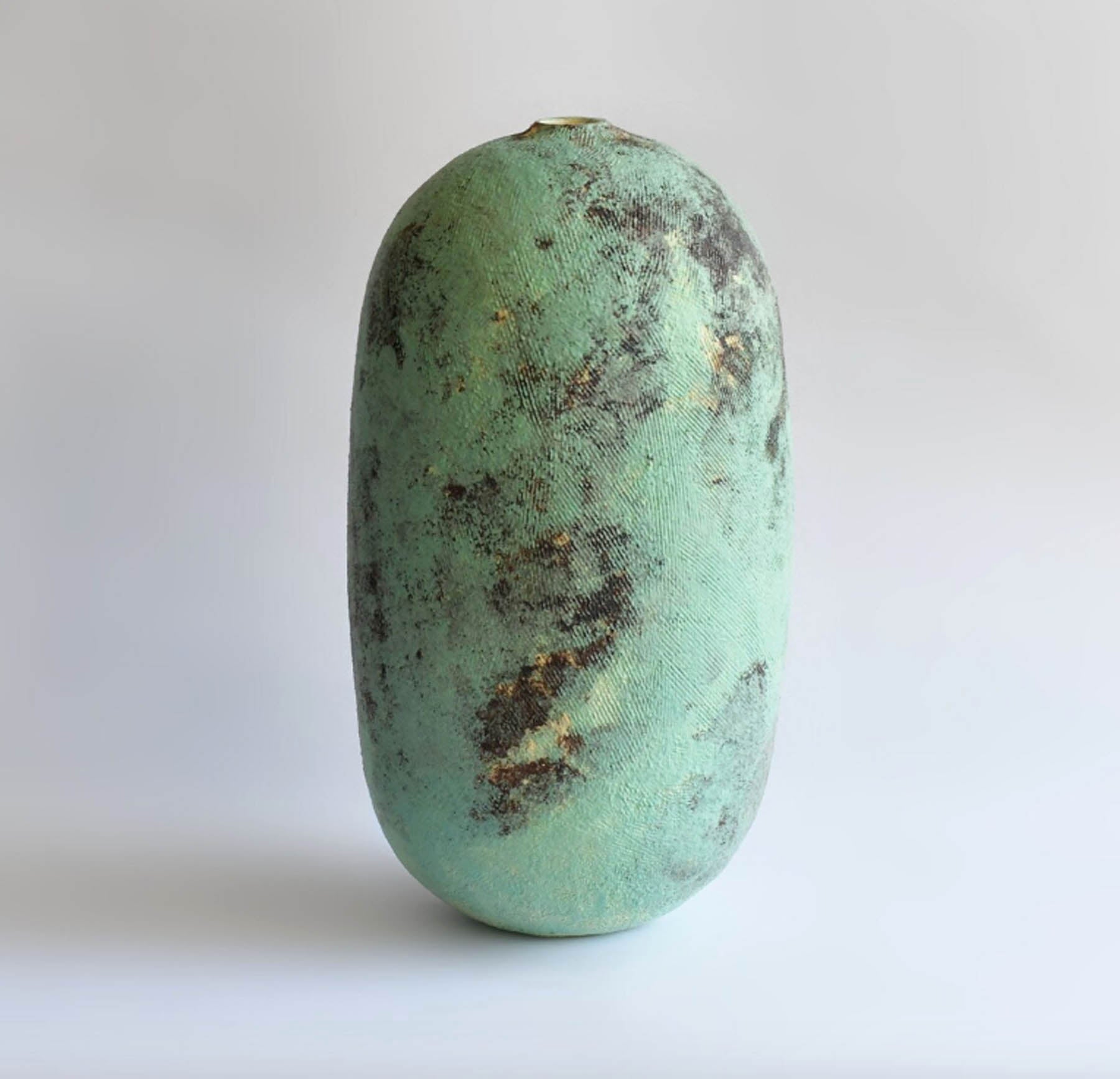
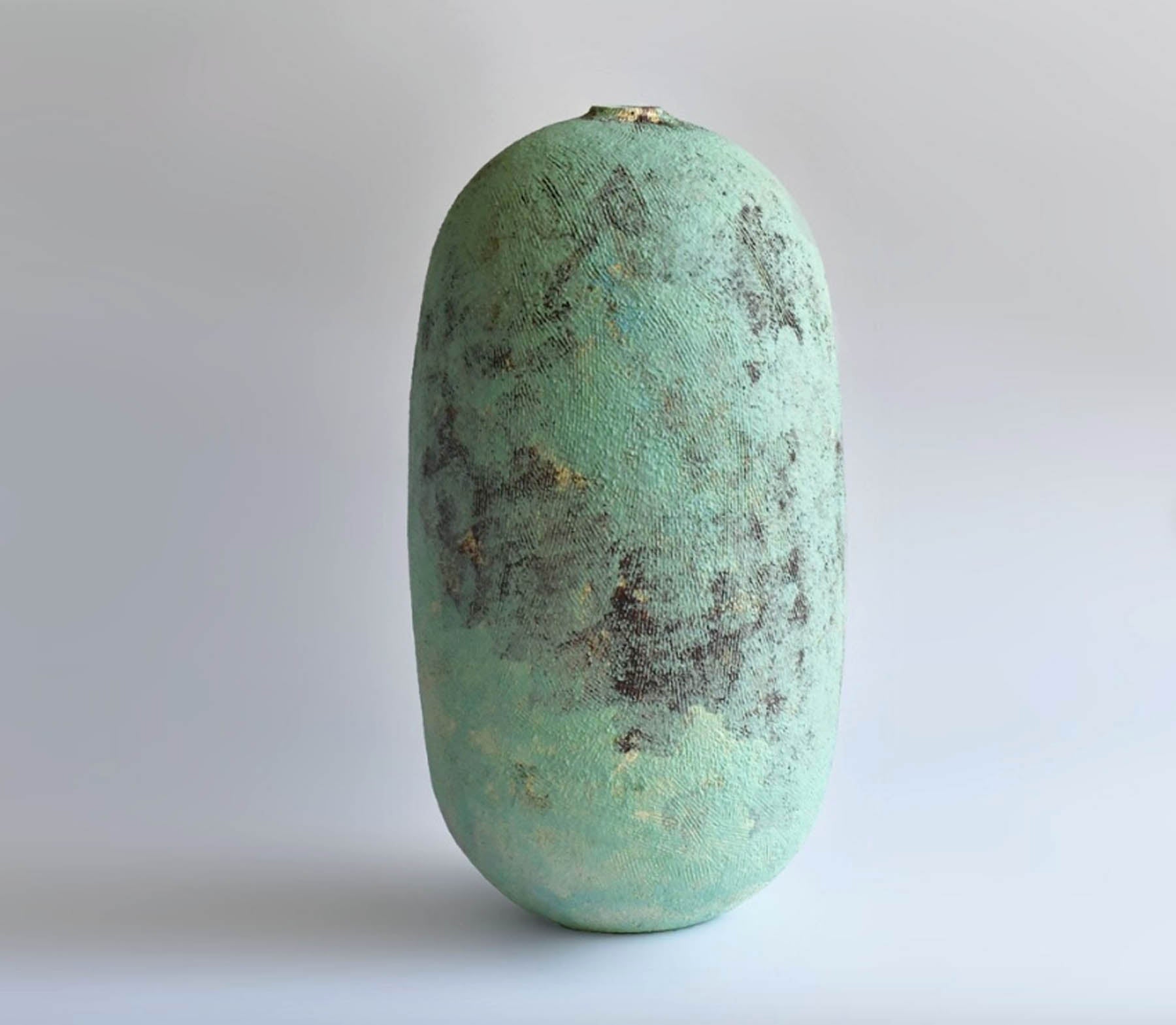
Texture, too, can feel vividly articulate in an oxygen-rich atmosphere. Distressed Sardinia Vessel by Àlvar Martínez Mestres (USD 732.00) channels the geology of coastline and stone—light striking peaks and using soft shadows to animate valleys. The vessel’s weathered tactility reads honest and purposeful, without the smoky unpredictability reduction might add. It’s a study in controlled expressiveness.
For a functional piece with sculptural flair, Long Handle Bowl by Melina Xenaki (USD 533.00) offers elegant negative space. The extended handles invite display and ritual—fruit in daylight, shells gathered on holiday, or simply the bowl’s shadowplay on a console. Its proportions and surface details feel especially clear in an oxidation context, where the form remains the message.
We see similar precision in two standout statement works. Ruffles Vase by Faustine Telleschi (USD 534.00) balances a rippled silhouette with a poised profile—lively yet disciplined, with each undulation catching light like a pleat. And in a dramatic, gallery-scale presence, Septem by Marcela Cure (USD 8,250.00) anchors a room with layered form and considered finish. Both demonstrate how oxidation firing can honor complexity while keeping details refined and visually legible.
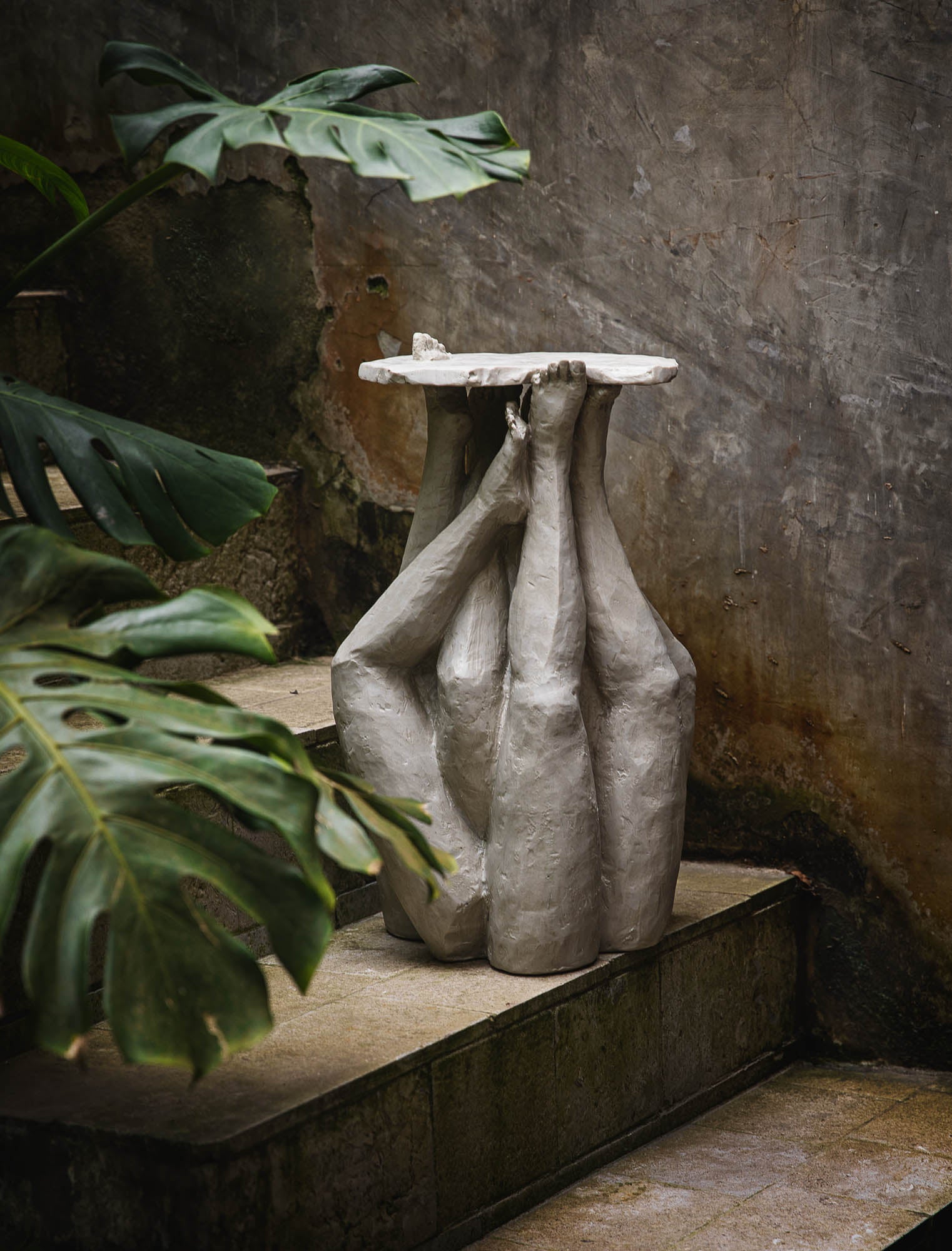
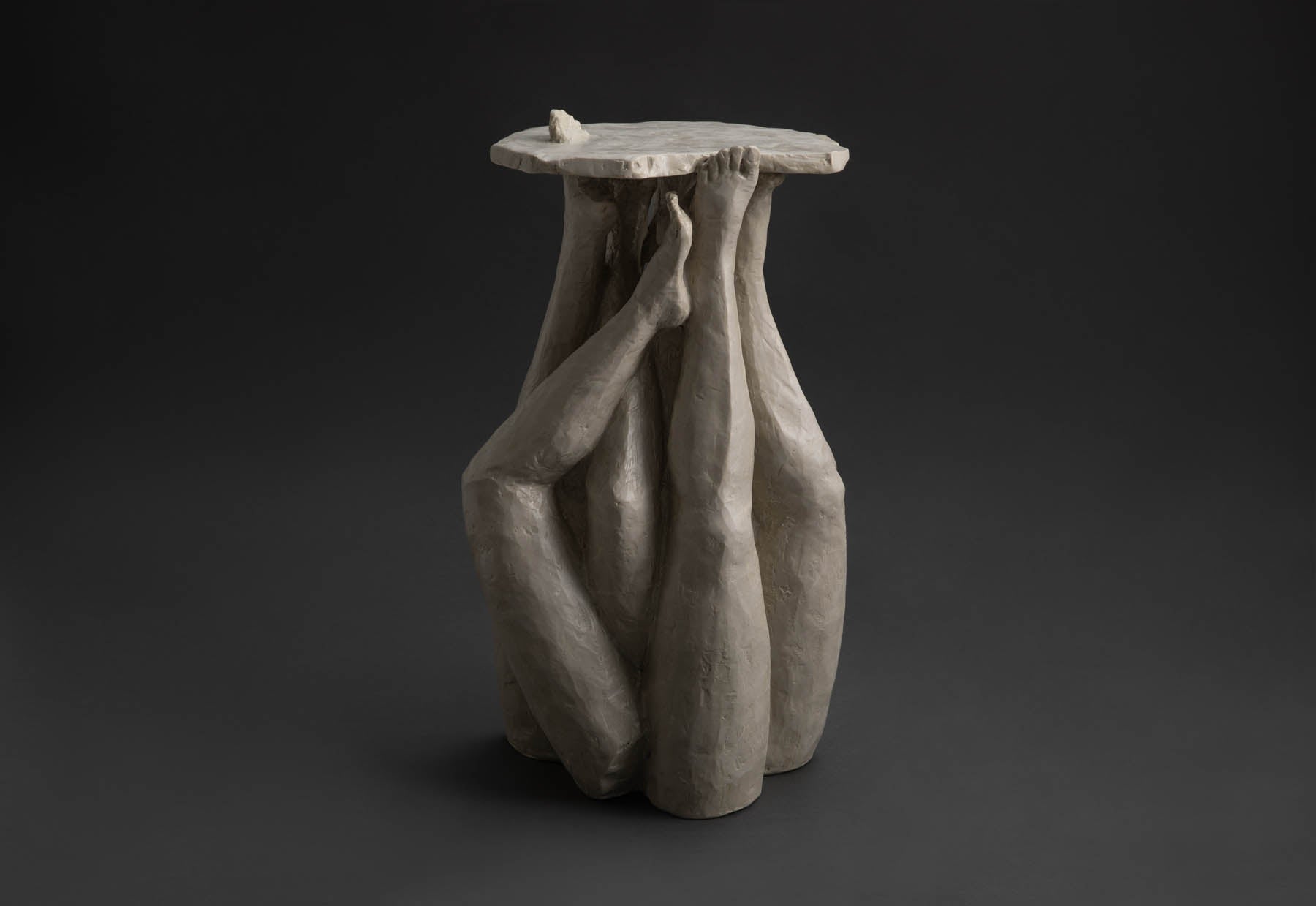
For collectors who love sculptural compositions, Parure 8 by Nadia Stieglitz (USD 2,800.00) offers a lyrical interplay of volume and pause. Its clean, deliberate surfaces reflect a maker’s hand focused on rhythm: negative space, contour, and the soft radiance of a well-resolved surface.
Material Dialogues: Glass, Flame, and Contrast
Although glass isn't “fired” in the same oxidation/reduction terms as ceramics, it shares a kindred pursuit of clarity, color, and light. Pairing oxidation-fired ceramics with luminous glass can create a conversation of refinement—each material amplifying the other’s strengths.
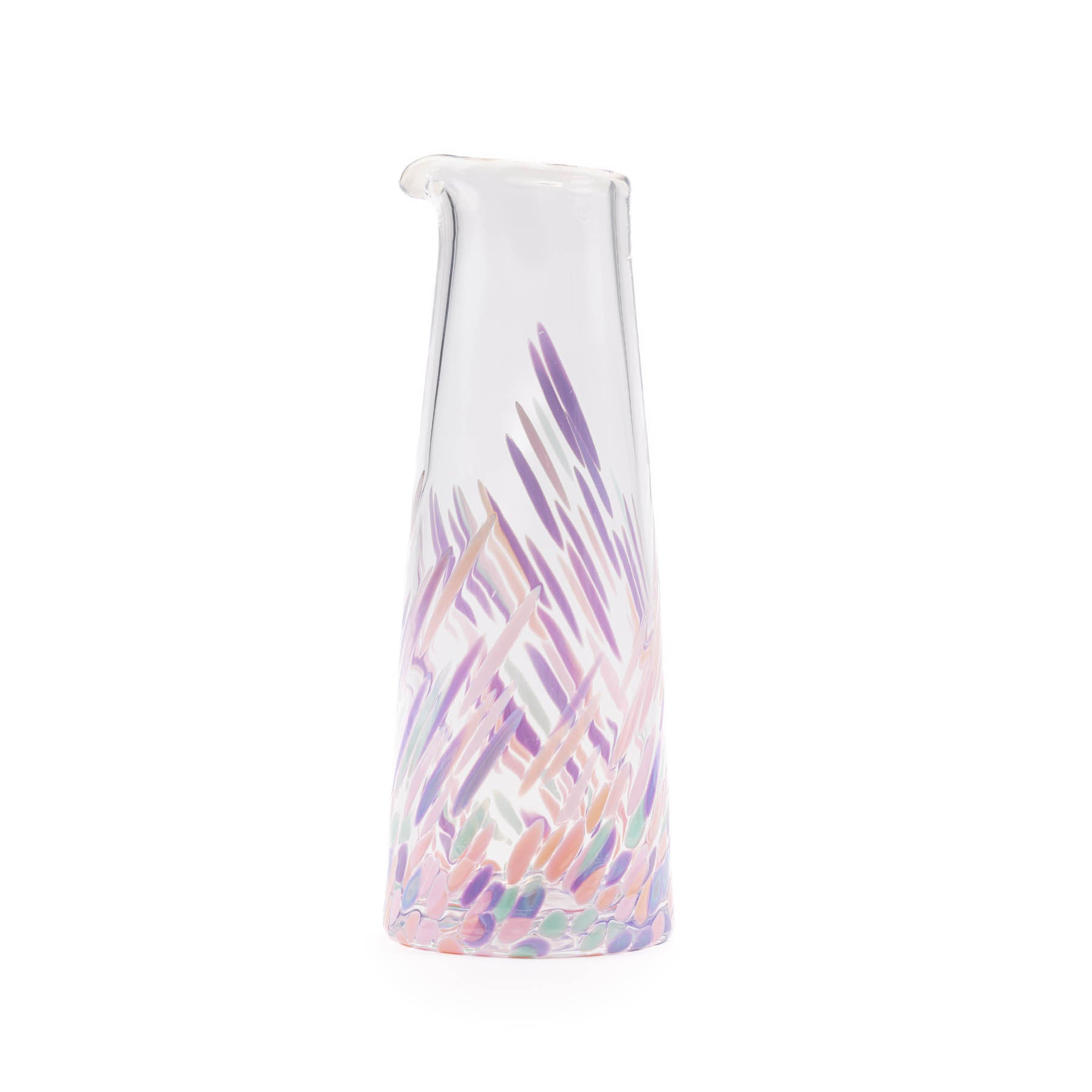
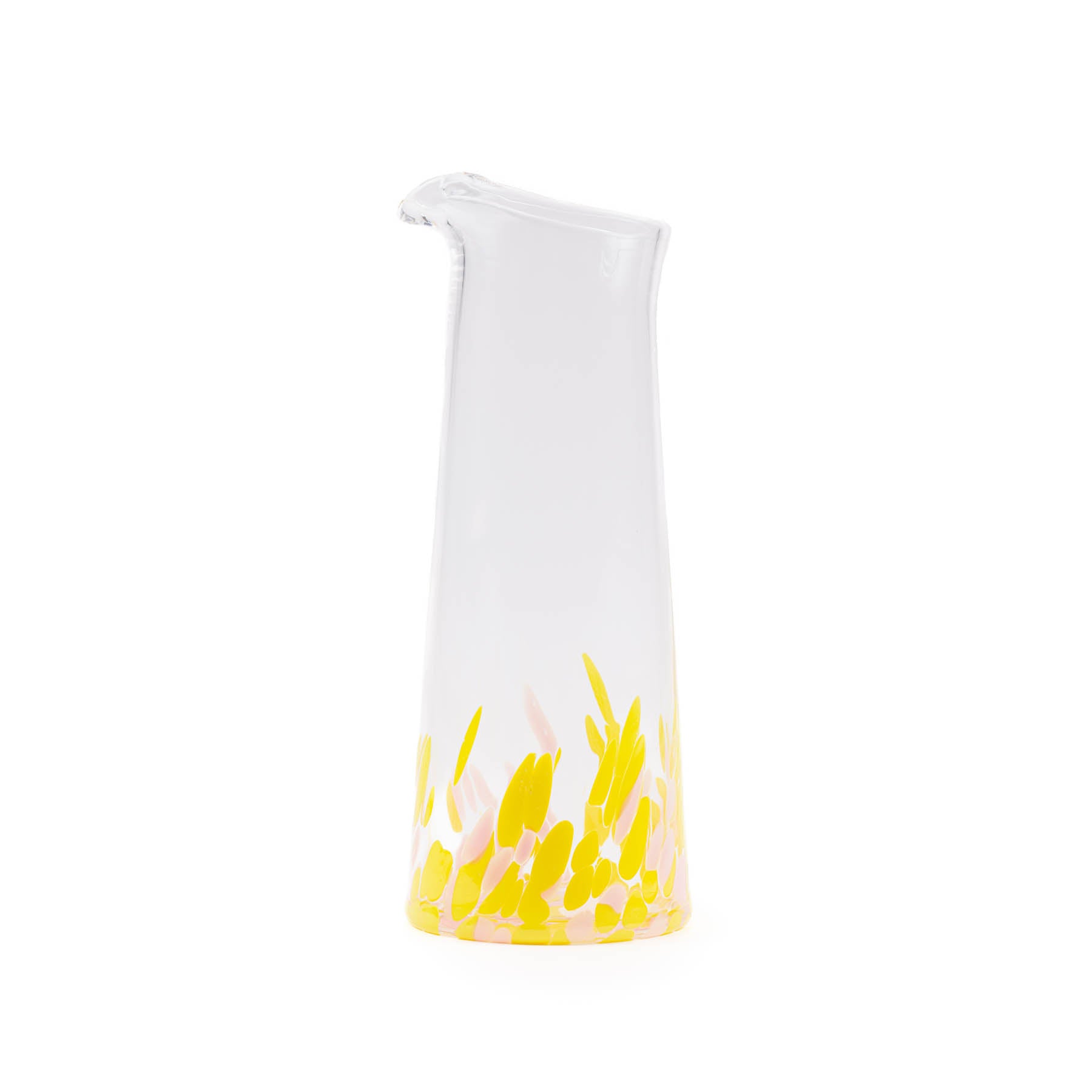
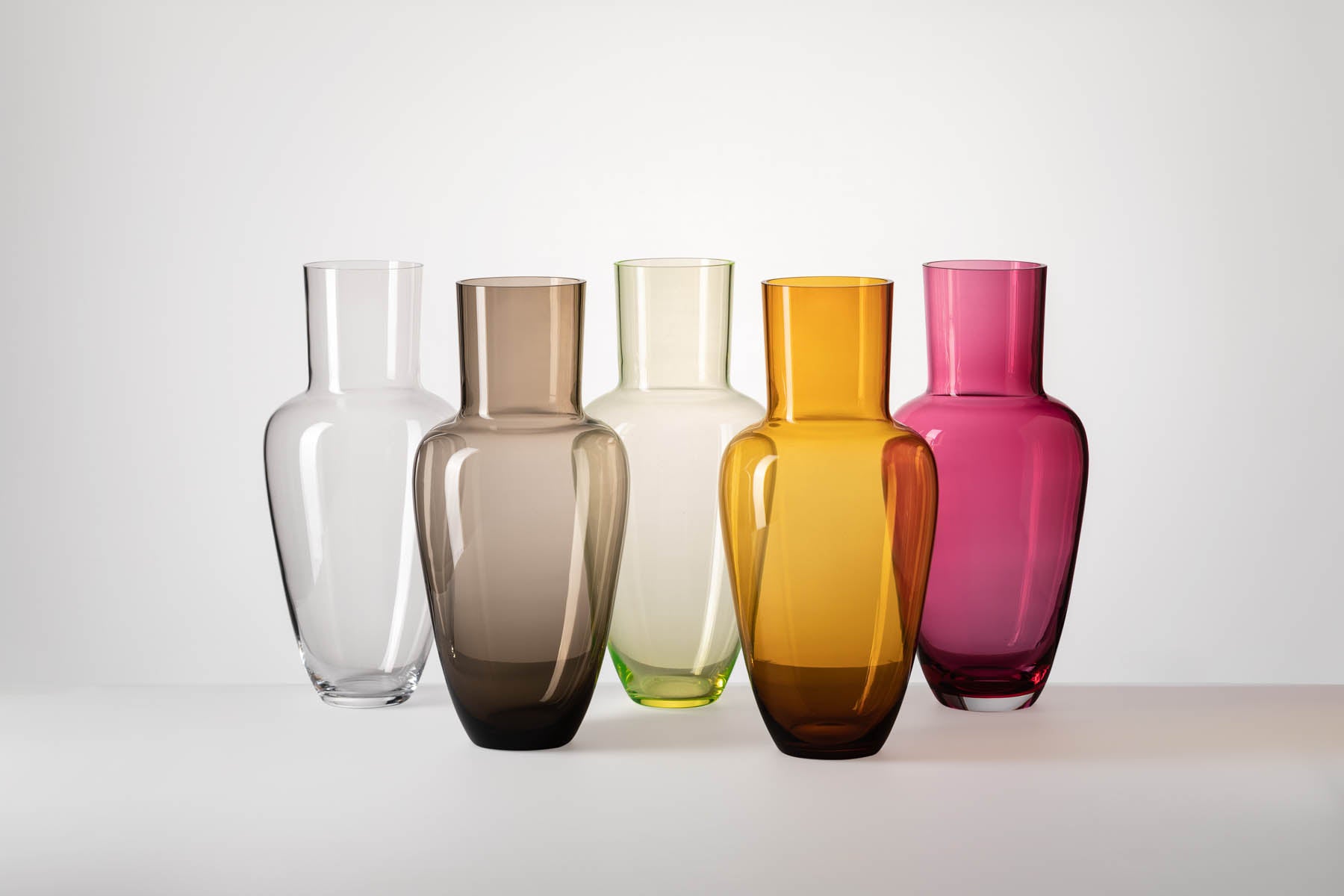
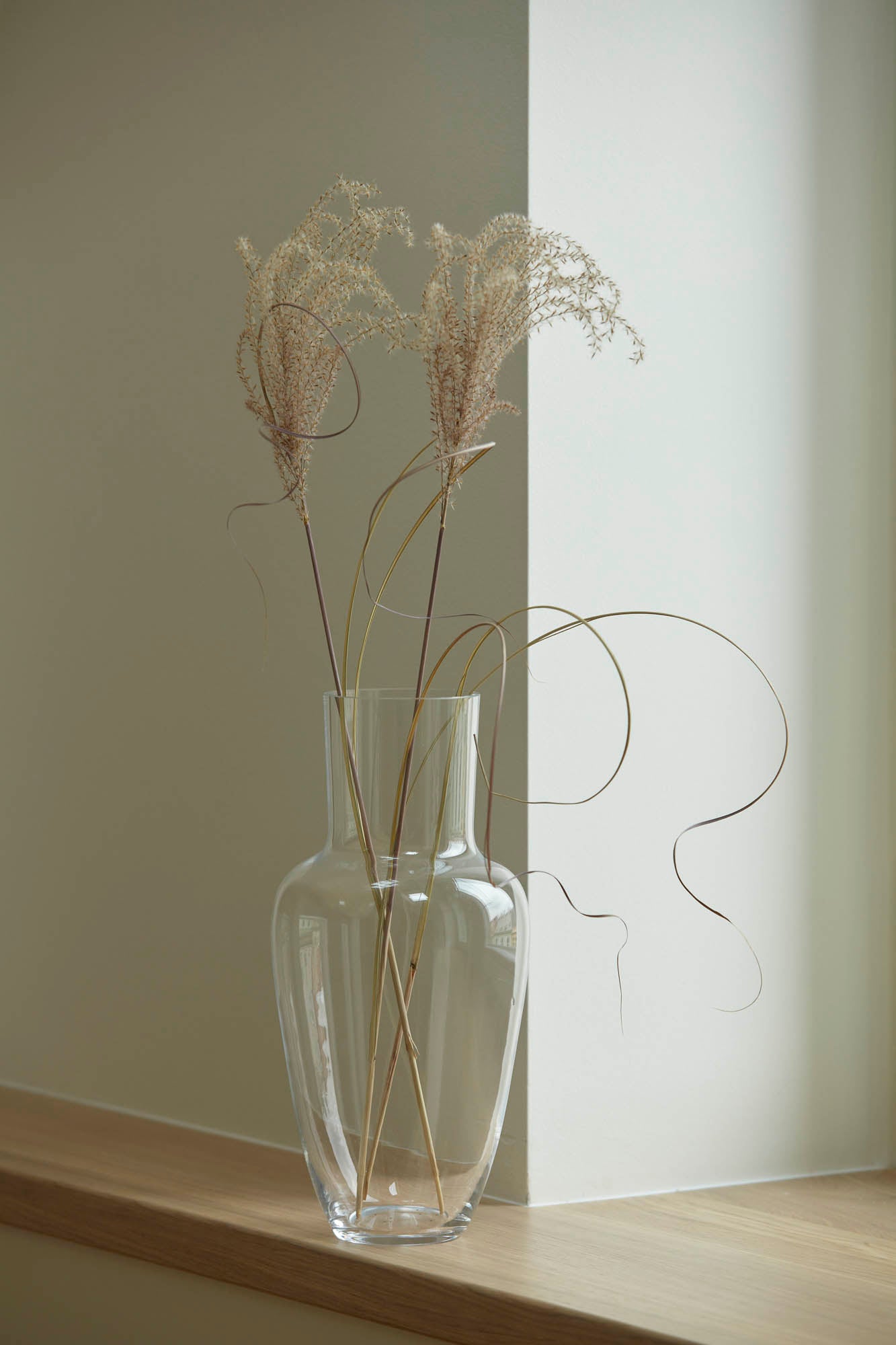
The crystalline purity of Transparent Garden Vessel by Frantisek Jungvirt (USD 825.00) underscores this harmony. Its clear volume becomes a sculpture of light—ideal beside a matte ceramic form whose surface reads like vellum. Similarly, the playful speckles of Confetti Carafe by Anna von Lipa (USD 214.00) bring a celebratory lift to a dining tableau while maintaining composure and craftsmanship.
Collectors of classic elegance will delight in the jewel-like clarity of Small Gema Vase by Moser (USD 1,179.00). Its faceted presence attracts the eye without overwhelming a space—especially when paired with a quieter, oxidation-fired ceramic, where the duet becomes a lesson in contrast: refraction beside reflection.
Tilt Bowl by Nate Cotterman (USD 375.00) offers a subtle gesture—a tilt that adds dynamism to a low profile. It’s an ideal counterpart to a tall, steady ceramic form, juxtaposing movement and stillness, glass clarity and ceramic calm.
Contrast also sharpens appreciation. Oxidation’s serene fidelity becomes even more compelling when set alongside works that embrace elemental variability. Wood-Fired Porcelain Vessel 04 by Lilith Rockett (USD 1,008.00) folds the atmosphere directly into its surface: a quiet dance of ash, flame-paths, and nuanced tonality that only wood firing can yield. Meanwhile, Sawdust-Fired Vase 49 by Michelle Grimm (USD 600.00) wears smoke-kissed markings—each one a unique fingerprint of the process.
Together, these pieces help define your taste: oxidation for control and clarity; wood or sawdust firing for atmospheric storytelling. Curate across methods to bring depth to minimal interiors, or double down on oxidation-fired harmony for an elevated, spa-like restraint.
Studio Spotlights: The Makers Behind the Mastery
Technique is the language; the artist gives it voice. Explore how leading makers at Trove shape atmosphere into experience.
Noe Kuremoto: Known for contemplative, archetypal forms, Kuremoto's work carries a quiet power. See Haniwa Warrior 93 (USD 1,700.00), and explore the full Noe Kuremoto collection.
Faustine Telleschi: Graceful silhouettes balanced with tactile presence define Telleschi’s approach. Discover Ruffles Vase (USD 534.00) and browse the Faustine Telleschi collection.
Marcela Cure: Striking, room-defining statements, meticulously resolved. Start with Septem (USD 8,250.00), then explore the Marcela Cure collection.
Nadia Stieglitz: Sculptural compositions with poetic restraint. View Parure 8 (USD 2,800.00) and visit the Nadia Stieglitz collection.
Frantisek Jungvirt: A contemporary glass voice whose refined vessels are studies in clarity. See Transparent Garden Vessel (USD 825.00) and the Frantisek Jungvirt collection.
Anna von Lipa: Playful color and everyday joy, perfected in crystal. Explore the Confetti Carafe (USD 214.00) and the Anna von Lipa collection.
Nate Cotterman: Modern glass with subtle geometry—quiet gestures that change a room. See the Tilt Bowl (USD 375.00) and the full Nate Cotterman collection.
Styling, Care, and How to Choose
Styling oxidation-fired ceramics: Place oxidation-fired works where their surfaces can be read without visual noise. On a console or plinth, the sculptural clarity of Parure 8 (USD 2,800.00) or the poised profile of Ruffles Vase (USD 534.00) becomes a conversation starter. In an entryway, Haniwa Warrior 93 (USD 1,700.00) lends serene presence—an emblem of intention as you step into your space.
Create a layered vignette: Pair a matte ceramic with faceted or clear glass to let each material shine. A trio might include the gentle geometry of Long Handle Bowl (USD 533.00), the brilliance of Small Gema Vase (USD 1,179.00), and the luminous elegance of Transparent Garden Vessel (USD 825.00). Add a sculptural candle—Grande Jill Candle (scented or unscented) by Dumae (USD 1,980.00)—to introduce a soft, ambient glow that invites evening rituals.
Anchor with texture: Complement refined ceramics with handcrafted accents. The Giovanni Basket by Oscarmaschera (USD 362.00) provides warm, tactile storage that doesn’t detract from a piece’s silhouette. On the wall, Clouds 01 by Caroline Desile (USD 778.00) offers a serene backdrop—the perfect foil to oxidation-fired clarity on a nearby shelf.
Care tips: For ceramic and glass works alike, dust with a soft, dry cloth. Avoid abrasive pads and sudden temperature changes. If a glaze is matte or satin, gentle handling helps preserve its velvet-like surface. Glass vessels—like the Confetti Carafe (USD 214.00) or Tilt Bowl (USD 375.00)—should be hand-washed to protect finish and form.
Choosing oxidation-fired works: a quick guide
- Prefer predictable palette? Oxidation-fired ceramics keep color faithful to a maker’s glaze design.
- Love sculptural clarity? Look for crisp profiles and defined edges that read beautifully in an oxygen-rich finish.
- Mix with glass for light play. Pair pieces like Small Gema Vase (USD 1,179.00) or Transparent Garden Vessel (USD 825.00) with matte ceramics for an elegant counterpoint.
- Crave contrast? Introduce a single atmospheric work—Wood-Fired Porcelain Vessel 04 (USD 1,008.00) or Sawdust-Fired Vase 49 (USD 600.00)—to let oxidation’s restraint sing.
Ready to curate? Explore our featured makers—Frantisek Jungvirt, Anna von Lipa, Noe Kuremoto, Faustine Telleschi, Marcela Cure, Nadia Stieglitz, and Nate Cotterman—and discover how oxidation’s precision meets the human touch in every piece. Collect with confidence, knowing each work is crafted by an artisan committed to material integrity and enduring beauty.
Call to action: Bring the clarity and calm of oxidation-fired design into your home today. Shop our latest arrivals and artist collections, or start with a curated pairing—from the luminous Transparent Garden Vessel to the sculptural Parure 8. Your next heirloom is waiting at Trove Gallery.