Reduction Firing: Controlling Atmosphere
The Art of Controlling Atmosphere
Walk into a studio on a firing day and you can feel it—the room carrying a hush as the kiln rises through its final degrees. For ceramic artists, reduction firing is a dialogue with flame, a precise act of controlling atmosphere that coaxes minerals to shift color, surface, and sheen. This is where pale celadon emerges from iron, where copper finds its red, where carbon traps itself in spider-silk patterns across shino glazes. The choices are technical, but the results read as poetry.
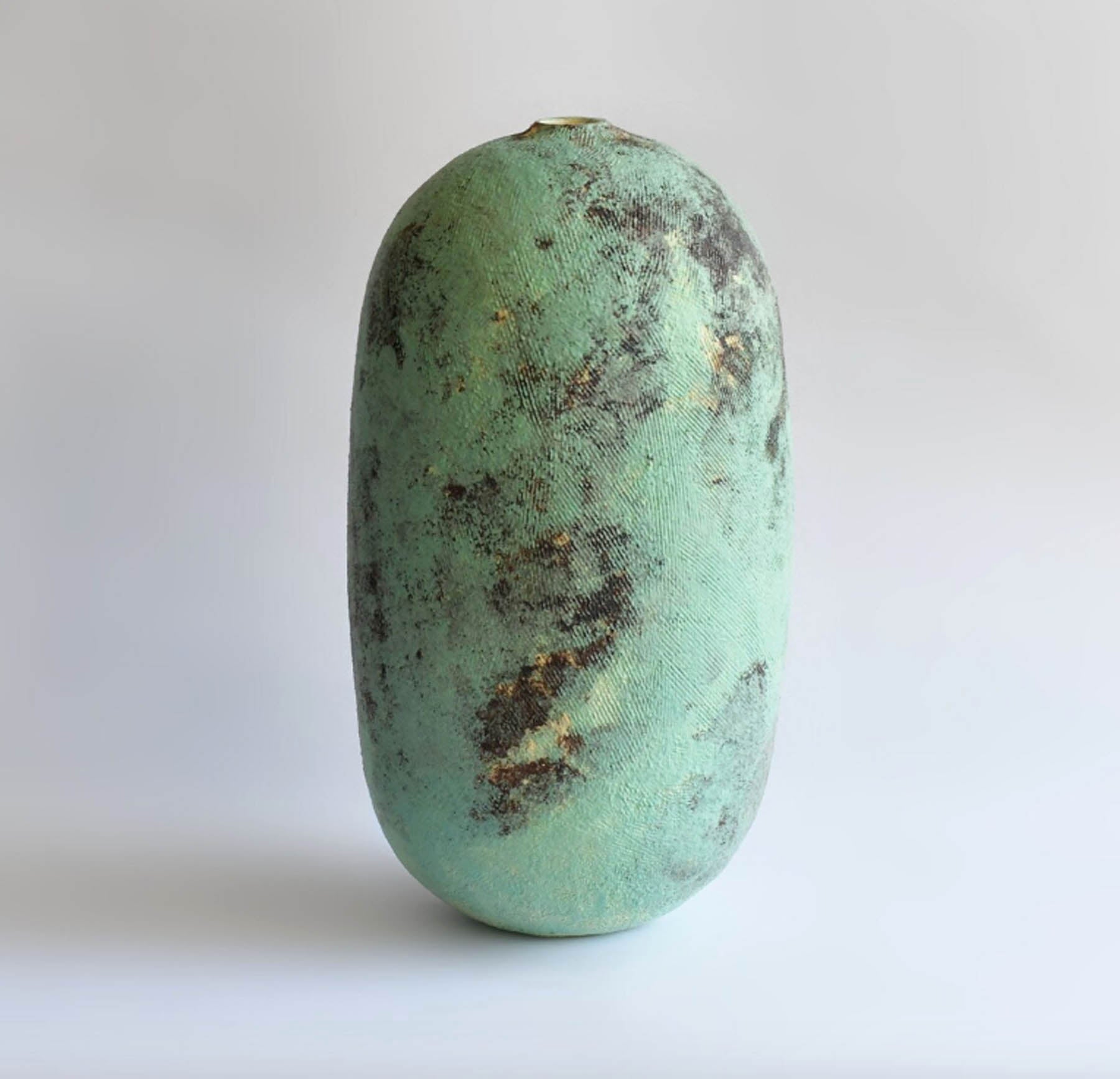
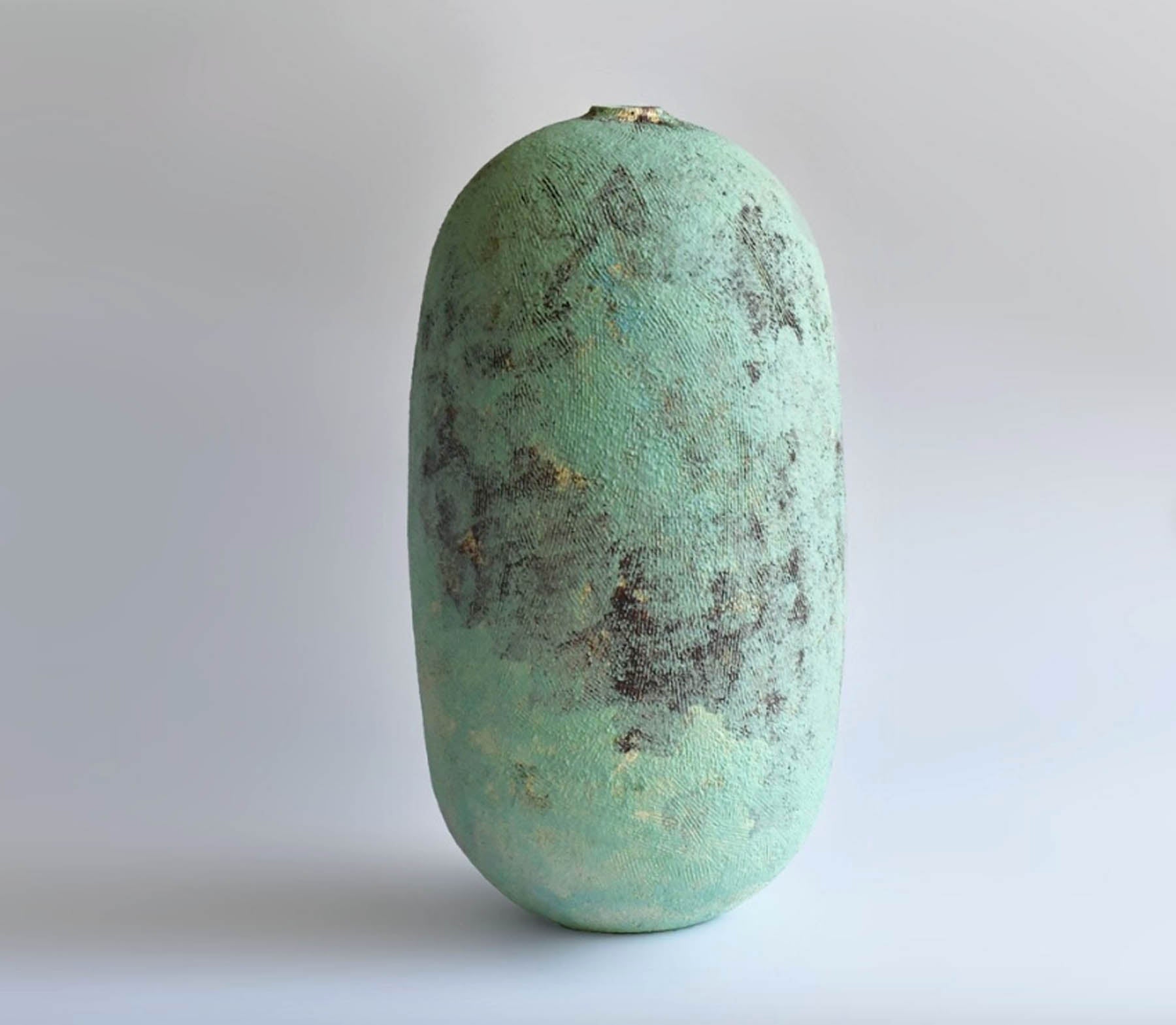
At Trove Gallery, we champion the pieces—and the makers—who understand this alchemy. The narrative of reduction firing isn’t only about temperature; it’s about oxygen scarcity, timing, and a kind of respectful listening. Consider Wood-Fired Porcelain Vessel 04 by Lilith Rockett ($1,008.00). In wood firing, a cousin to gas reduction, ash drifts and melts into natural glaze; subtle oranges and smoke-soft greys gather where flame lingers. Or look to Sawdust-Fired Vase 49 by Michelle Grimm ($600.00): the gentle, smoky veils that sweep its surface are essentially atmosphere drawn with carbon. These aren’t decorations applied later; they are records of the kiln’s breath.
Reduction firing may sound decidedly technical, but its purpose is simple: to reveal depth. Whether you’re a collector drawn to the earthy glow of stoneware or the glass-like translucency of high-fired porcelain, understanding how atmosphere shapes a piece helps you see what you’re really acquiring—time, technique, and a rare conversation with heat.
Chemistry of Reduction: From Oxide to Alchemy
In ceramics, reduction firing means you deliberately deprive the kiln of oxygen as it climbs through the last stages of maturity—often at stoneware and porcelain temperatures (think cone 9–10). The flame, starved, steals oxygen from the clay and glaze. Minerals change valence. Iron shifts from Fe2O3 to FeO; copper becomes cuprous; carbon finds places to hide. These shifts are why reduction is a distinct visual language, not just hotter or longer compared to oxidation.
Reduction brings out families of glazes that collectors prize: the quiet green of celadon (iron in reduction at low percentages), the saturated spectrums of tenmoku and oil-spot blacks (iron-rich glazes), the atmospheric drama of shino with carbon trapping, and the legendary brilliance of copper reds. When a maker dials the damper, monitors the peep hole’s flame, studies witness cones, and times a transition from body reduction to glaze reduction, they’re composing color at the molecular level.
Sometimes, reduction gets amplified through wood. In Rockett’s Wood-Fired Porcelain Vessel 04, branched paths of flame caused micro-variations in atmosphere along the surface, creating gradients and ash-kissed edges that feel almost topographical. In sawdust firing, Michelle Grimm harnesses smoldering carbon in a closed environment. Her Sawdust-Fired Vase 49 shows this beautifully—areas of smokey blush and charcoal webbing read like weather patterns shaped by oxygen’s absence.
Even pieces not strictly reduction-fired can carry the spirit of controlled atmosphere. Àlvar Martínez Mestres’s Distressed Sardinia Vessel ($732.00) offers a stone-like patina that evokes mineral change and time. The surface suggests a narrative of heat and cooling—a reminder that every kiln firing, oxidation or reduction, writes on the clay.
Surfaces Born of Fire: Wood, Smoke, and Carbon
The aesthetics of reduction are not monolithic; they range from whisper-soft to emphatic. Celadons can seem almost meditative—thin glaze, pale green, pooled depth over carved texture. Copper reds, by contrast, are statements. They require an exquisite gasp of oxygen control, and when they land, the result is a wine-deep red that feels illuminated from within. Shino glazes, prized for their volatility, reward potters with flashes of peach and areas where carbon locks in as grey lace.
This variability is why artists develop distinct relationships with their kilns. For collectors, it means no two pieces are alike—not even within the same series. Consider the sculptural quiet of Noe Kuremoto’s Haniwa Warrior 93 ($1,700.00). While inspired by ancient earthen forms, its presence speaks to the modern studio’s control of heat and atmosphere—the way clay, once raw, becomes witness to fire. Explore more from the artist in our Noe Kuremoto collection.
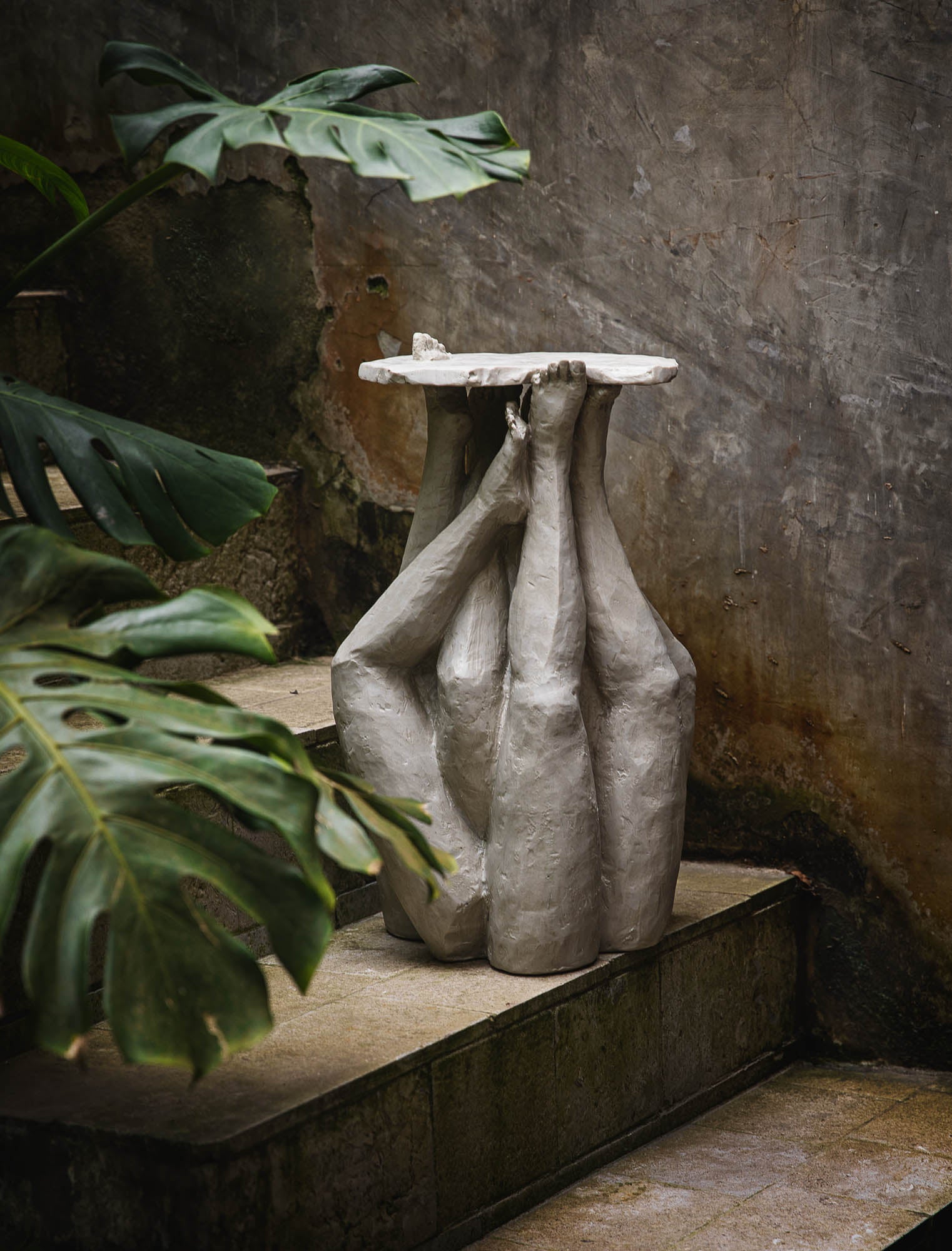
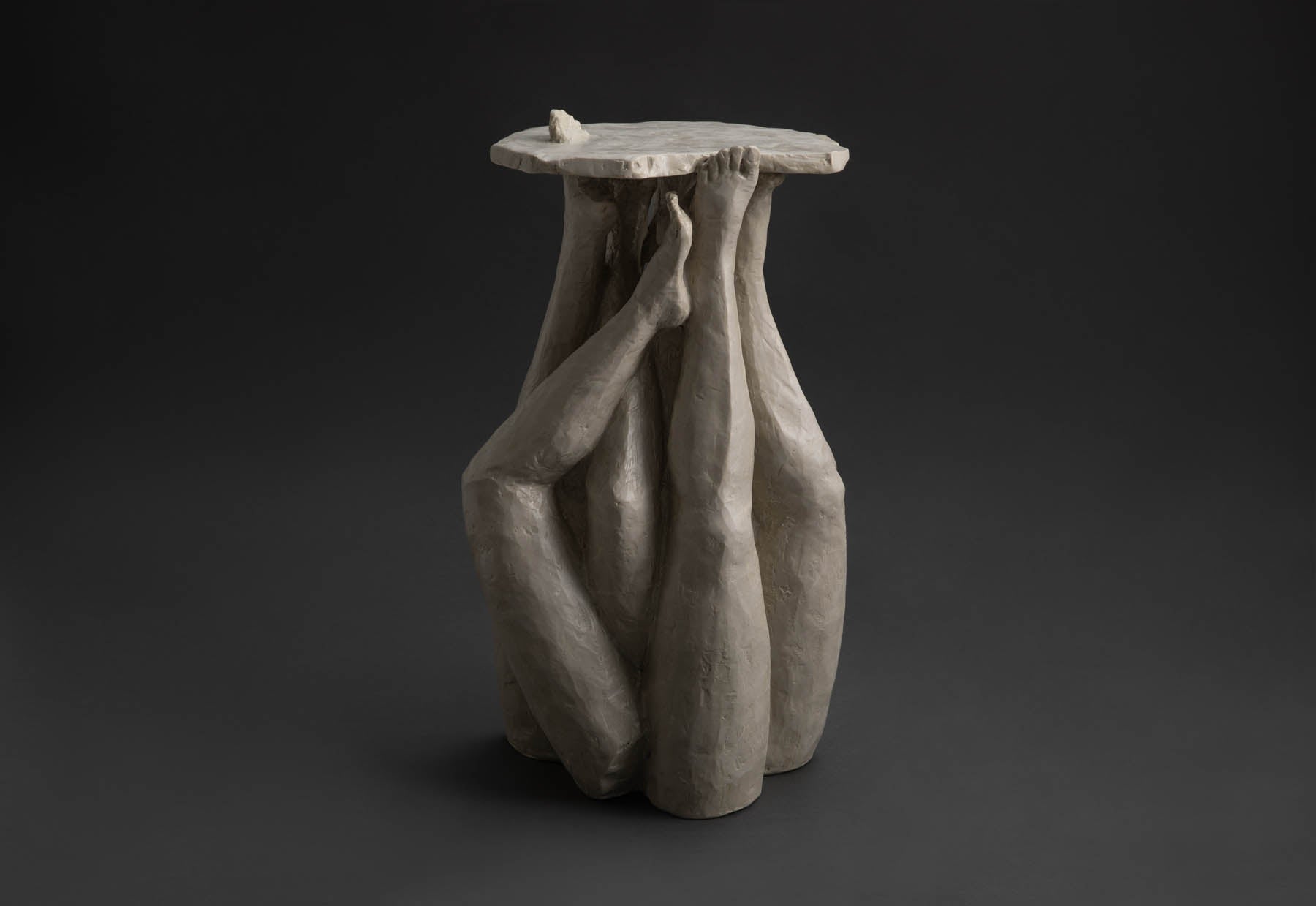
We see this dialogue in works that lean architectural as well. Nadia Stieglitz’s Parure 8 ($2,800.00) layers volumes like jewelry for the home—a sculptural composition whose shadows deepen under warm light. The interplay between form and light is also evident in Caroline Desile’s Clouds 01 ($778.00), a piece that captures the ephemeral—the same ephemerality reduction artists court when they let atmosphere mark the surface.
Not all dramatic surfaces come from high-fire. Low-oxygen, lower temperature approaches deliver their own poetics. Michelle Grimm’s Sawdust-Fired Vase 49 is an intimate example. In a closed vessel filled with combustible material, the carbon-rich environment draws smoke onto the clay, stenciling movement across the form. Each smoke blush is a signature of time and oxygen scarcity, a print taken from the air itself.
Makers in Conversation with Flame
Artists treat atmosphere like a collaborator. Some invite drama; others aim for restraint. In sculptural ceramics, movement is often built into the silhouette so the kiln can finish the story. Faustine Telleschi’s Ruffles Vase ($534.00) undulates at the lip—a living edge that catches glaze pooling, amplifying any atmospheric nuance created in firing. Explore her approach to soft geometry in the Faustine Telleschi collection.
Melina Xenaki’s Long Handle Bowl ($533.00) stretches out amphora-like handles, giving the kiln room to write shadow and highlight across a generous span. Displayed near natural light, its contours recall coastline pottery traditions where firing methods were as much climate-driven as they were aesthetic. Meanwhile, Nadia Stieglitz’s sculptural Parure 8 remains a study in equilibrium—volumes that feel jewel-like, the kind of balance that reduction’s nuanced tonal shifts can enrich without overwhelming.
For a look at contemporary narrative through ancestral forms, consider Haniwa Warrior 93 by Noe Kuremoto. The work channels the protective calm of ancient figures while sitting firmly within today’s design language—earthy, minimal, powerful. It’s a reminder that controlling atmosphere is also about controlling emotion; fire is a tool, but story is the goal.
Some artists build sculptural presence beyond clay. Marcela Cure’s Septem ($8,250.00) has the poise of a statement piece—elegant lines, a sense of vertical stillness that creates a focal point in any room. Whether paired with reduction-fired stoneware or displayed solo, its quiet authority mirrors the contemplative pace of the kiln itself. Explore more in the Marcela Cure collection.
Glass, Light, and the Idea of Atmosphere
While reduction firing belongs to the ceramicist’s lexicon, glass artists also work intimately with heat and atmosphere—balancing flame chemistry, annealing schedules, and optical clarity to shape light. The results can feel like the inverse of reduction’s earth-bound palette: where ceramics absorb and record oxygen scarcity, glass tends to transmit light, celebrating transparency and color purity.
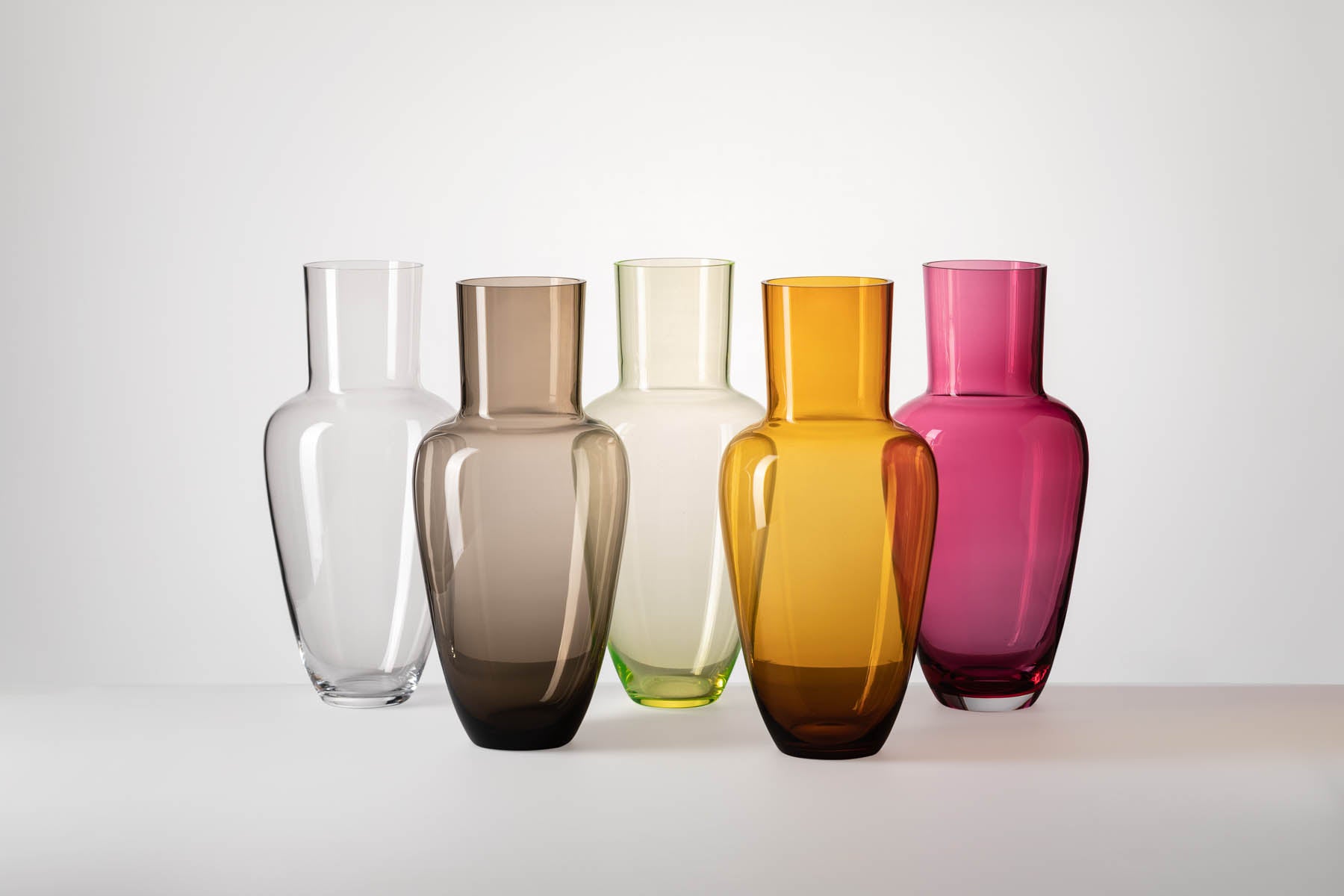
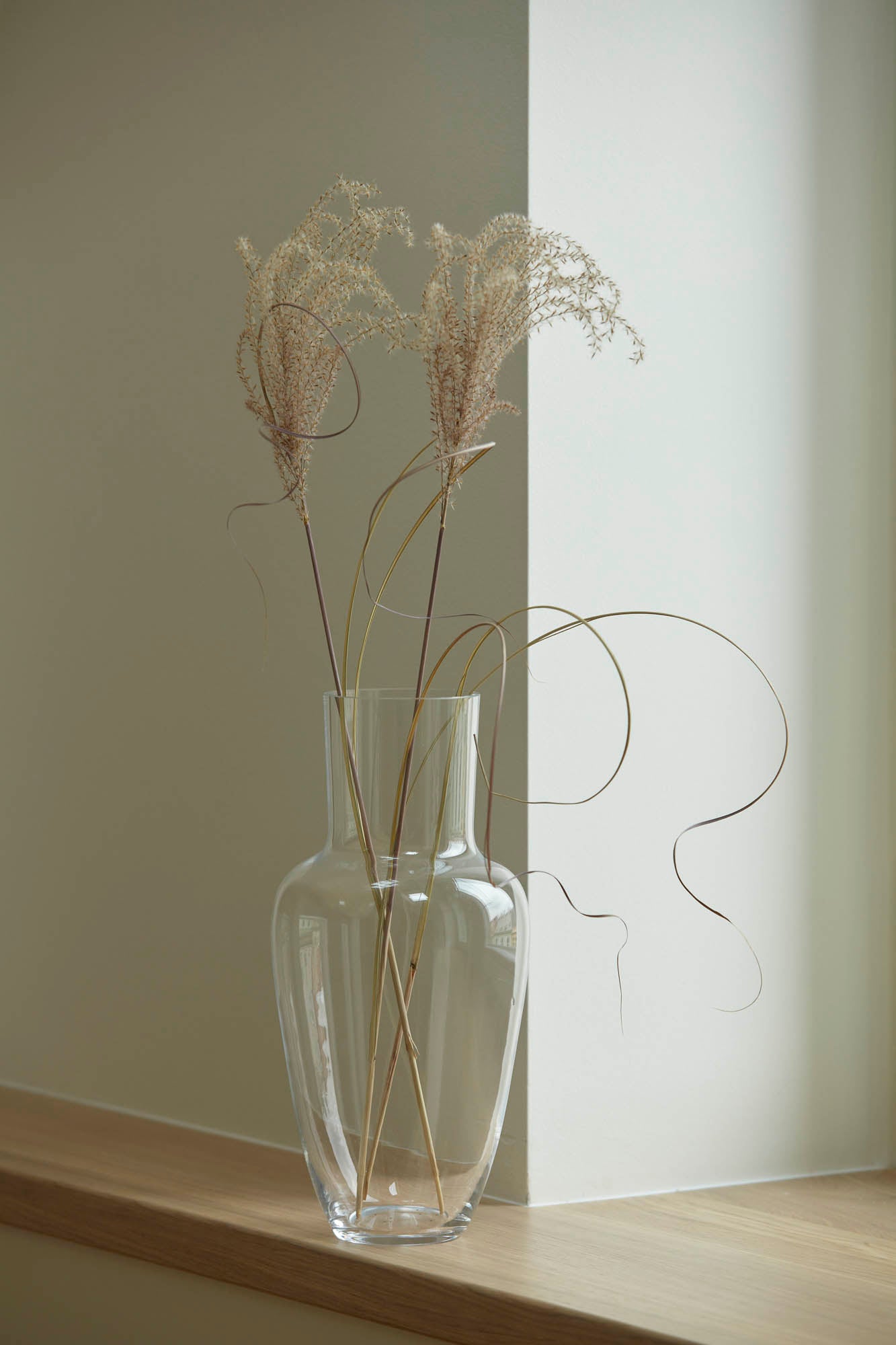
Czech artist Frantisek Jungvirt explores this spectrum of clarity and hue. His Transparent Garden Vessel ($825.00) reads like a column of captured air—crisp, serene, a foil to the smoky tactility of reduction clay. Pair it with the ash-softened sheen of Wood-Fired Porcelain Vessel 04 for a vignette that juxtaposes transparency with atmosphere.
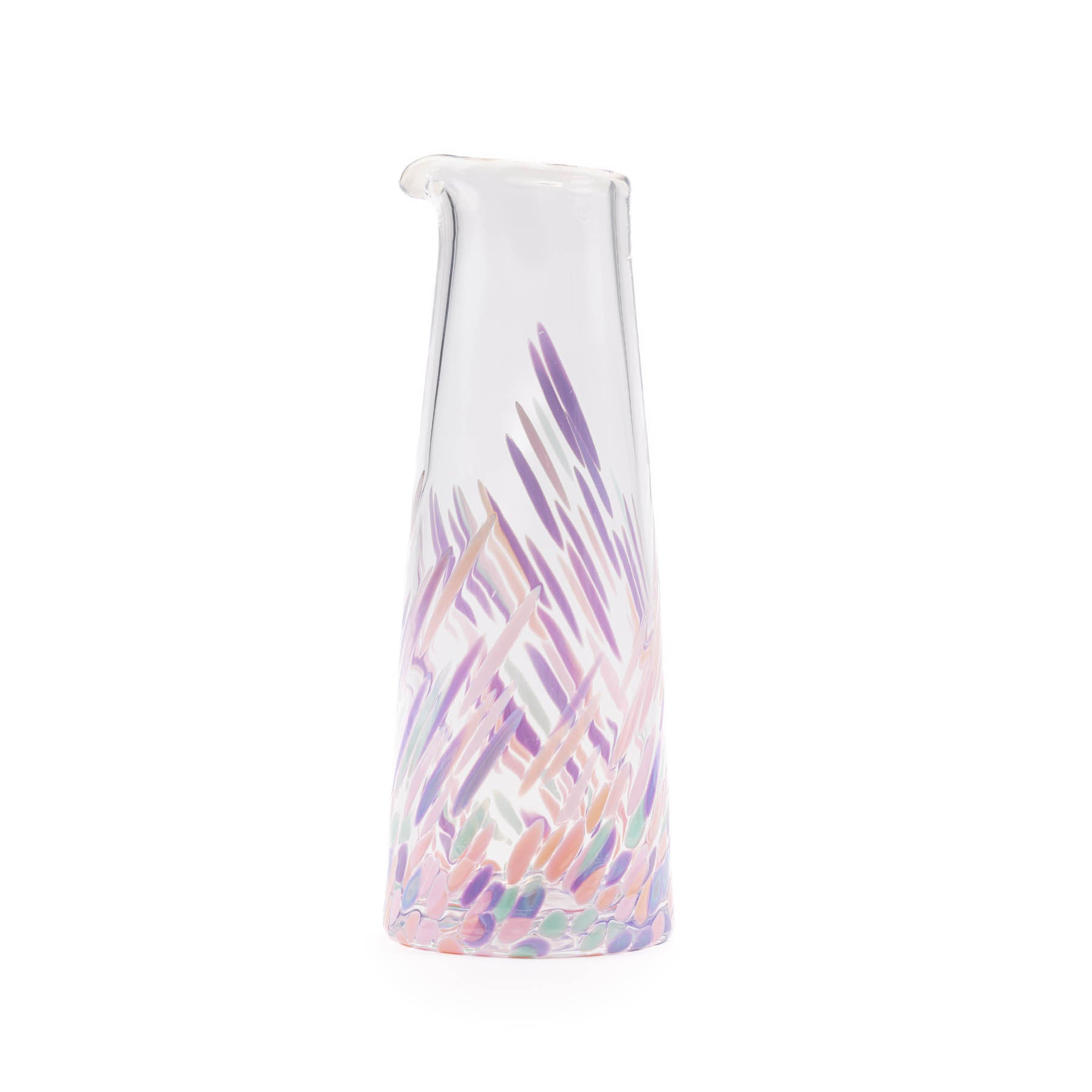
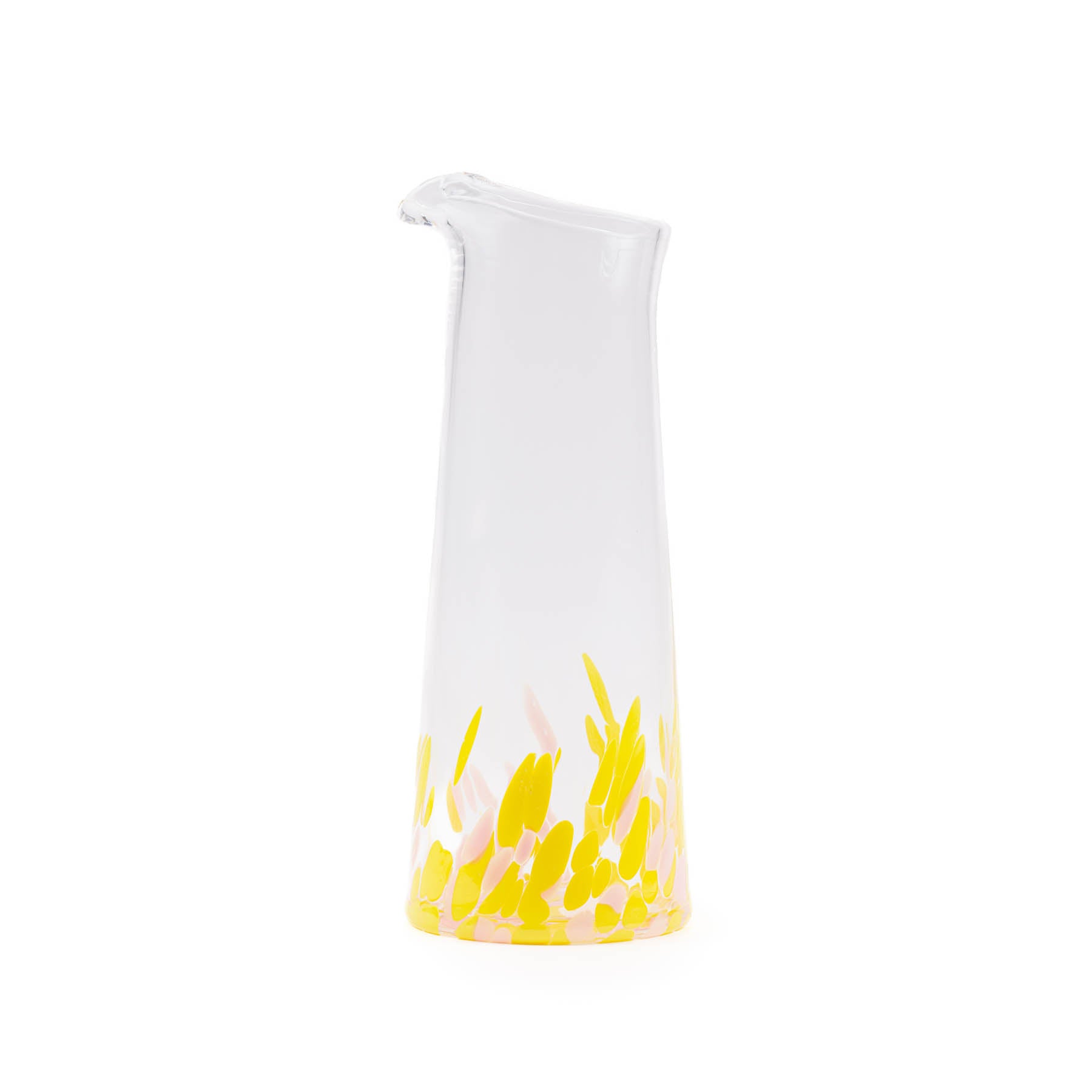
Bohemia’s tradition of mouth-blown glass is a different kind of kiln choreography—more sprint than marathon, but no less sensitive to heat. Anna von Lipa celebrates this in the playful Confetti Carafe ($214.00). It’s a piece that catches sunlight like a festival, the sprinkled color pattern offering movement akin to the way flames dance across reduction glazes. Contrast that joy with the gemstone poise of Moser’s Small Gema Vase ($1,179.00), where crisp facets polish light into form.
American glass artist Nate Cotterman brings subtle engineering to the table with the Tilt Bowl ($375.00). Its canted base sets the piece in gentle motion—a kinetic whisper that plays beautifully against the stillness of ceramic sculpture. Even when these glass works are not themselves reduction-treated, they converse fluently with reduction ceramics, offering a spectrum of reflectivity and hue that heightens a room’s atmosphere.
How to Collect, Style, and Care
For collectors, understanding reduction firing is a path to more sensitive curation. Look for depth over uniformity: pooling in carved lines, areas where glaze thins on edges, smoky blushes that rise from the clay body itself. Tenmoku glazes will reward close viewing with metallic microcrystals; celadon reveals watery depth over impressed textures. If you see grey lace or freckling in shino, you’re likely witnessing carbon trapping—a hallmark of oxygen scarcity done right.
In styling, contrast is your ally. Pair the tactile, flame-marked surface of Sawdust-Fired Vase 49 with the clean glass profile of Transparent Garden Vessel. Introduce a grounding element like the Italian leather Giovanni Basket by Oscarmaschera ($362.00) to frame softer ceramic silhouettes. For mood, anchor the scene with the sculptural Grande Jill Candle (scented or unscented) by Dumae ($1,980.00). Its generous scale and refined vessel bring a sense of ceremony—much like lighting a kiln.
Care is straightforward. For reduction ceramics, dust with a soft cloth; avoid abrasives that could flatten sheen or scratch glaze. Smoke-fired and sawdust-fired pieces are often more porous; display them away from water and oils, and consider felt pads where they meet the shelf. Glass should be hand-washed in mild soap and dried with a lint-free cloth to maintain clarity. Keep all pieces out of prolonged direct sunlight to preserve tonal nuance, especially for richly colored glass.
Curating with intention can deepen the room’s atmosphere—literally and figuratively. Start with a sculptural anchor, such as Noe Kuremoto’s Haniwa Warrior 93, add a reduction or wood-fired vessel like Lilith Rockett’s Wood-Fired Porcelain Vessel 04, then layer in glass to refract light—Frantisek Jungvirt’s Transparent Garden Vessel or Anna von Lipa’s Confetti Carafe. The result is a living composition informed by the same principles artists use in the kiln: balance, timing, and a refined sense of atmosphere.
From Kiln to Home: Pieces to Explore Now
If you’re ready to see how controlled atmosphere reads in the hand, explore these works and makers. Nadia Stieglitz’s Parure 8 offers sculptural gravitas; Faustine Telleschi’s Ruffles Vase demonstrates how a lively rim invites glaze to pool and glow; and Àlvar Martínez Mestres’s Distressed Sardinia Vessel reveals a tactile patina that feels discovered, not made. For a sweeping statement, Marcela Cure’s Septem centers a room with quiet power.
Complete the scene with thoughtful accents. The lyrical Clouds 01 by Caroline Desile hangs like a captured horizon. Melina Xenaki’s Long Handle Bowl carries sculptural utility from table to mantle. Moser’s Small Gema Vase holds a single stem with jewel-like clarity, while Nate Cotterman’s Tilt Bowl signals motion even at rest. Gather them in a leather Giovanni Basket for a touch of Italian craft, and light the Grande Jill Candle to warm the scene with scent and glow.
Visit our maker pages to learn more about their processes and philosophies: Frantisek Jungvirt, Anna von Lipa, Noe Kuremoto, Faustine Telleschi, Marcela Cure, Nadia Stieglitz, and Nate Cotterman.
Ready to bring the poetry of controlled atmosphere into your home? Explore our full selection, discover the stories behind each kiln load, and find the piece that speaks in your language of light and fire.