Terra Sigillata: Master Technique Explained
What Is Terra Sigillata? The Quiet Luxury of Clay
Terra sigillata is one of ceramics’ most timeless surface techniques: an ultra-refined clay slip, brushed onto leather-hard or bone-dry ware and polished to a glow that looks like satin catching the last light of day. No glossy glaze required. Instead, terra sigillata uses clay’s finest particles—think liquid silk—to create a skin that is delicate to the eye yet surprisingly resilient when handled with care.
Its name is Latin for ‘sealed earth,’ a nod to its ancient roots. Early Mediterranean potters perfected the method to achieve a sleek, almost metallic sheen on utilitarian wares. Today, makers adopt terra sigillata for the same reason collectors love it: the finish telegraphs touch, time, and technique. It’s a surface you read with your eyes but understand with your fingertips.
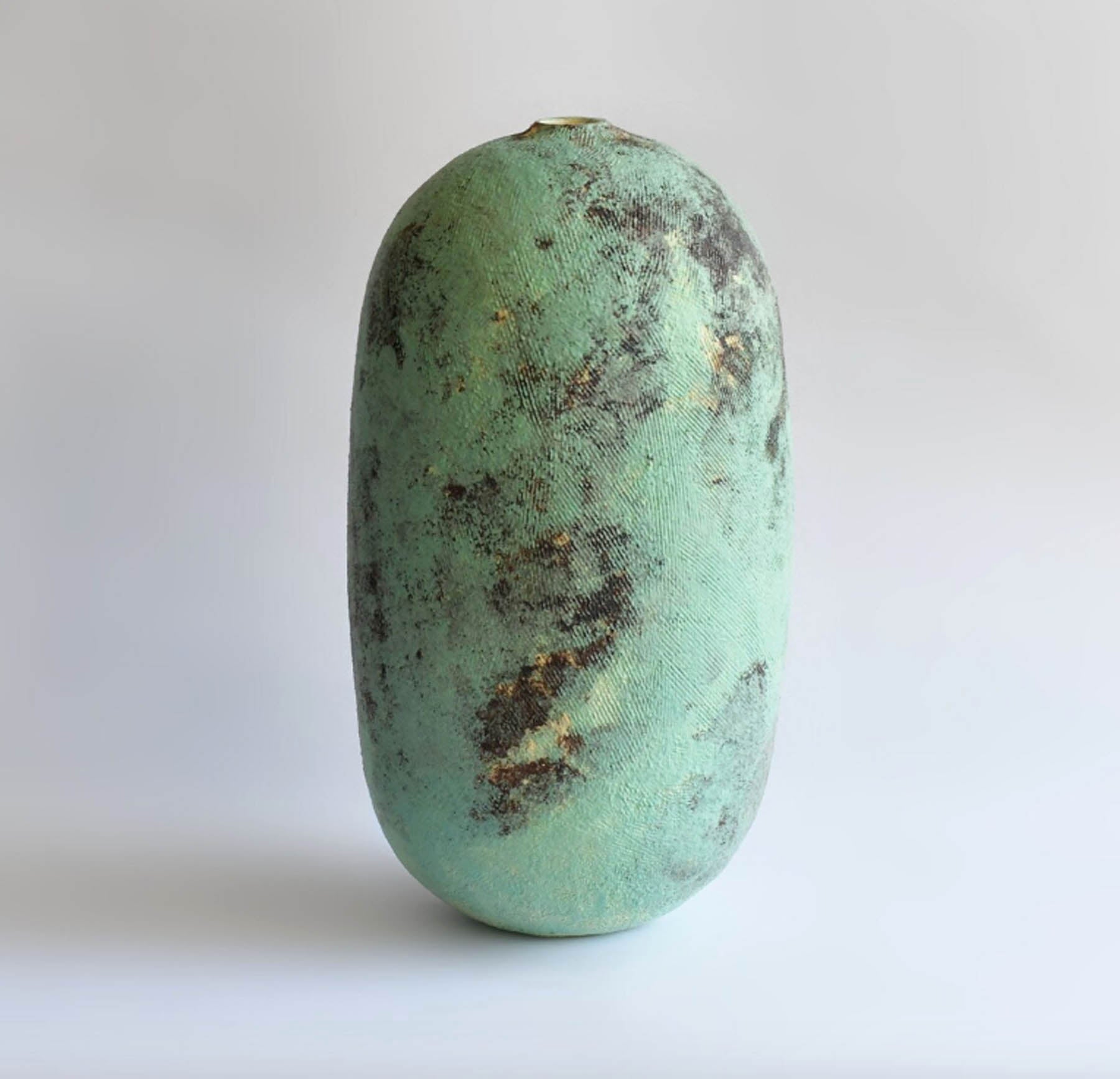
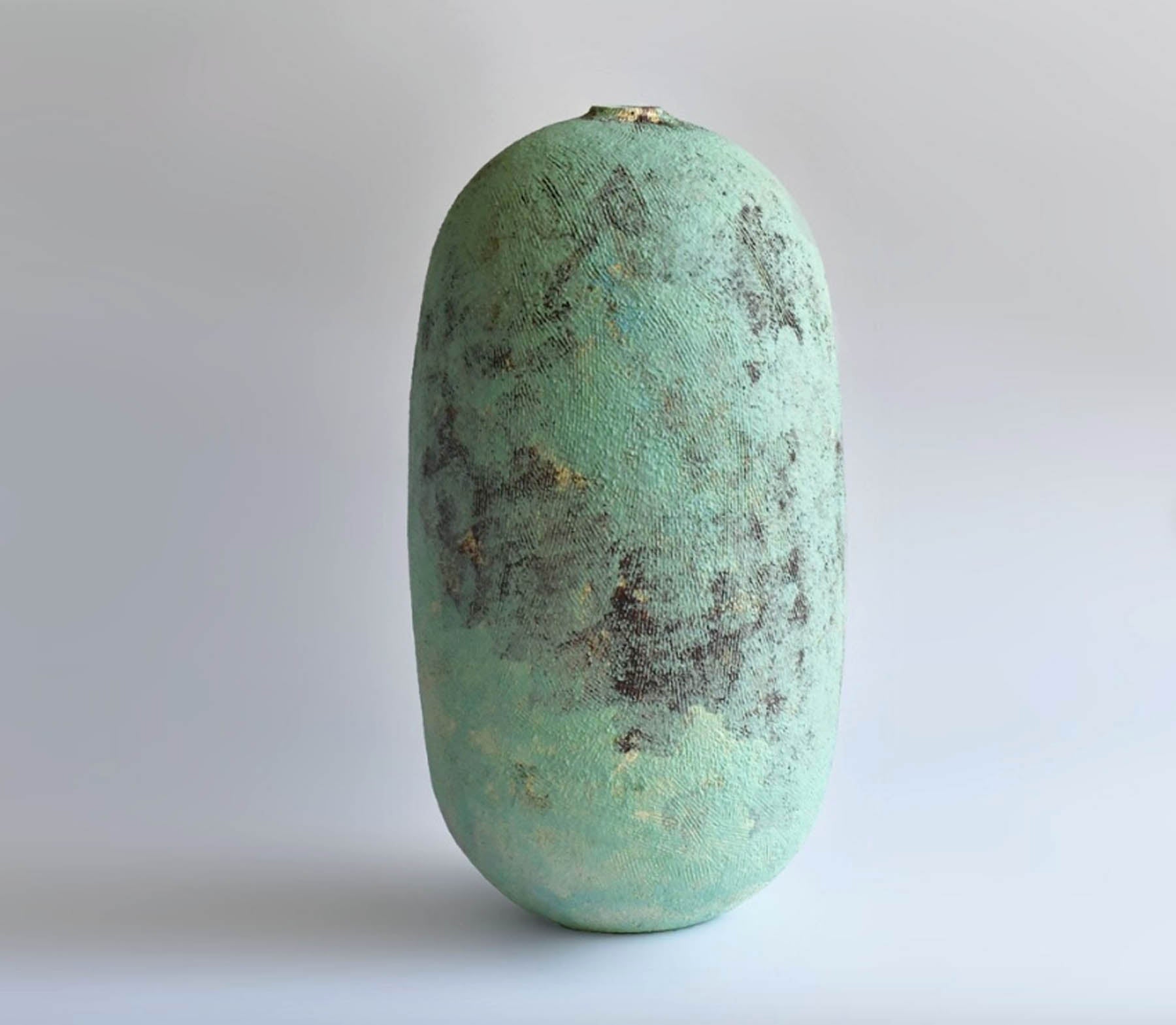
On Trove Gallery, you’ll find pieces that channel that same devotion to surface—some employing low-fire and atmospheric processes related to terra sigillata, others exploring analogous material poetics in glass and porcelain. While not every featured object here uses terra sigillata specifically, each celebrates the discipline of surface as story. Consider Sawdust-Fired Vase 49 by Michelle Grimm ($600), where smoke blushes the clay with soft gradients, or Wood-Fired Porcelain Vessel 04 by Lilith Rockett ($1,008), its ash-kissed skin revealing a dialogue between flame and form. These works remind us that the most compelling finishes are often the most elemental.
A Brief History—and the Science Behind the Sheen
Historically, terra sigillata rose to prominence in the classical world, where Greek and Roman potters developed fine-particle slips to achieve consistent, elegant surfaces. Over centuries the practice evolved and diversified, but the core principle remained: refine clay, apply thoughtfully, burnish gently, and fire at a temperature low enough to preserve the aligned platelets that produce the signature glow.
The science is beautifully simple. Imagine clay particles as tiny flat plates suspended in water. When those plates are carefully separated and the mixture is decanted, you’re left with an ultra-smooth slip. Brushing that slip onto a leather-hard or bone-dry surface and polishing it with a soft tool—an agate burnisher, a polished spoon, or even a smooth pebble—aligns the plates. Light then glances off the aligned surfaces, creating a subtle, luxurious sheen. Firing too high can melt or sinter those plates out of alignment; firing thoughtfully preserves the luster.
Because terra sigillata is fundamentally clay, it bonds intimately with the body beneath. It’s not a glaze; it’s a refined continuation of the clay itself. The result is tactile restraint: a matte-to-satin finish that rewards close looking. For collectors, this restraint reads as timeless. For makers, it’s a canvas on which fire, smoke, and the slightest colorants leave indelible marks.
Collectors drawn to antiquity will find echoes of that lineage in contemporary studio works that play with archaeology and memory. See the layered patina of Distressed Sardinia Vessel by Àlvar Martínez Mestres ($732), whose weathered surface hints at coastal ruins and sun-bleached terra. Or encounter ancestral homage through form in Haniwa Warrior 93 by Noe Kuremoto ($1,700), a sculptural nod to ancient guardians that pairs beautifully with terra-sigillata thinking: simplicity elevated by surface.
From Studio to Surface: How Terra Sigillata Is Made and Applied
While formulas vary by studio and clay body, the core process of terra sigillata follows a few elegant steps. First, makers create a slip by mixing clay and water, then allow gravity (or, in some studios, a gentle deflocculant) to help separate out the finest particles. After settling, the top layer—silky and thin—is decanted. This refined slip is the terra sigillata.
Application is meditative. On leather-hard or bone-dry ware, the sig is brushed in thin coats, usually two to four, allowing each to set to a soft sheen before the next. Timing matters; too wet and it streaks, too dry and the particles don’t align. Between coats, many artists gently polish with a soft cloth or burnisher, coaxing the surface toward luster without closing the clay’s pores too quickly. Some introduce subtle colorants—iron for warm blushes, manganese for deeper notes—always in restraint. The final sheen emerges after low firing, where careful heat preserves the alignment created by the maker’s hand.
The appeal of this approach is tactile discipline. In the same spirit, Trove’s artists often lean into finishes that prize subtlety. Look at Long Handle Bowl by Melina Xenaki ($533), where hand-carved lines translate gesture into shadow; or Ruffles Vase by Faustine Telleschi ($534), whose folds capture light like a burnished rim. Neither piece claims terra sigillata, yet both reflect the same belief: a surface can whisper and still be unforgettable.
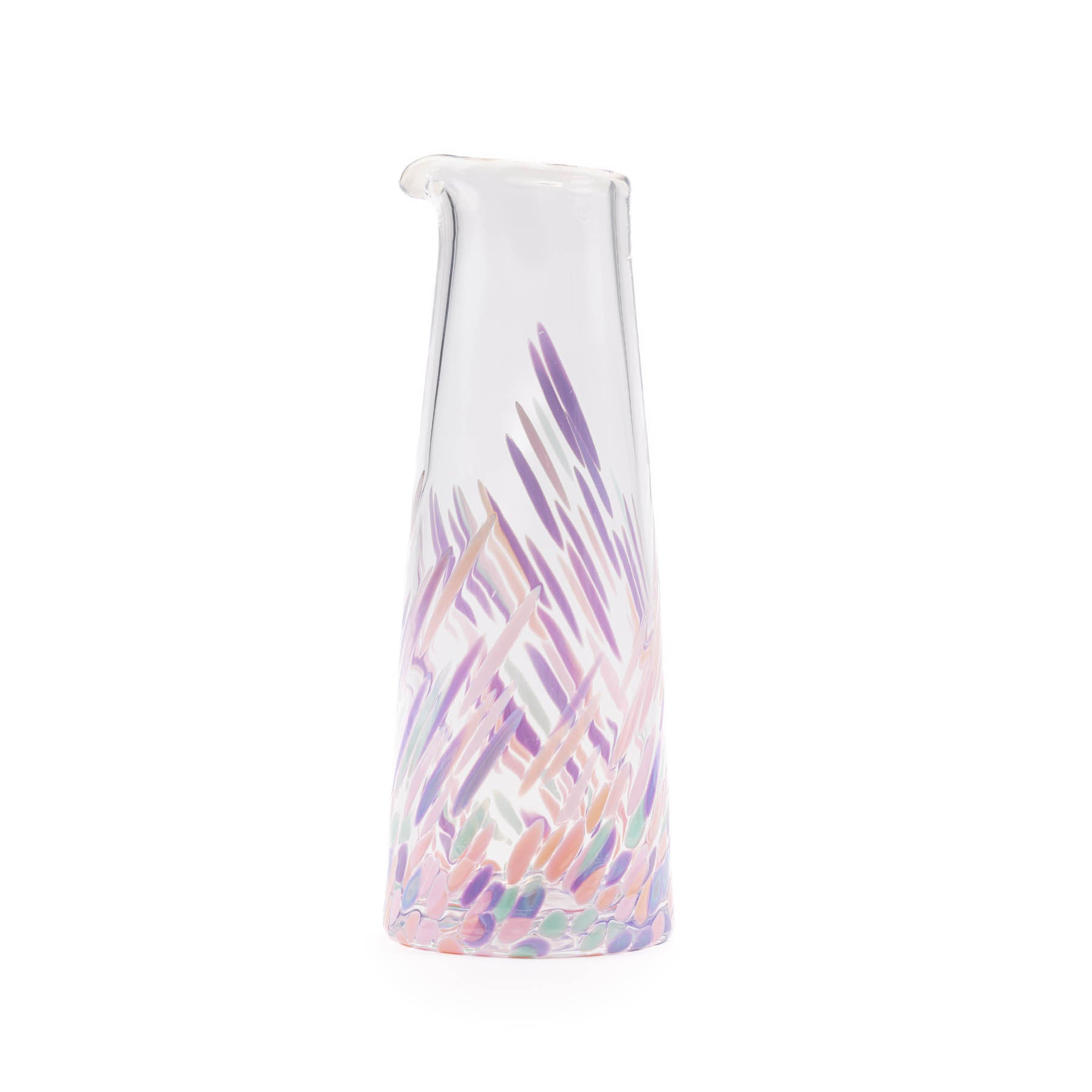
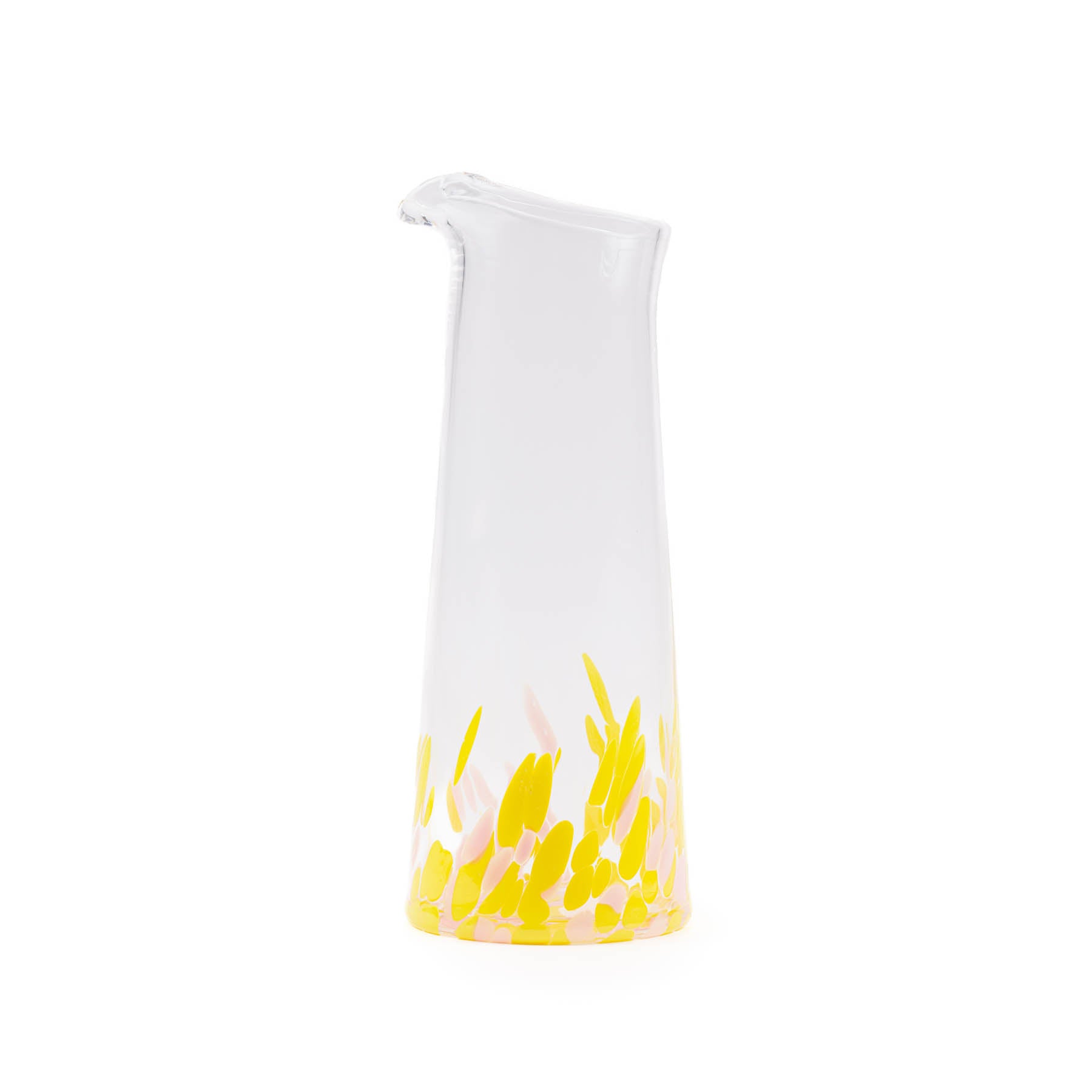
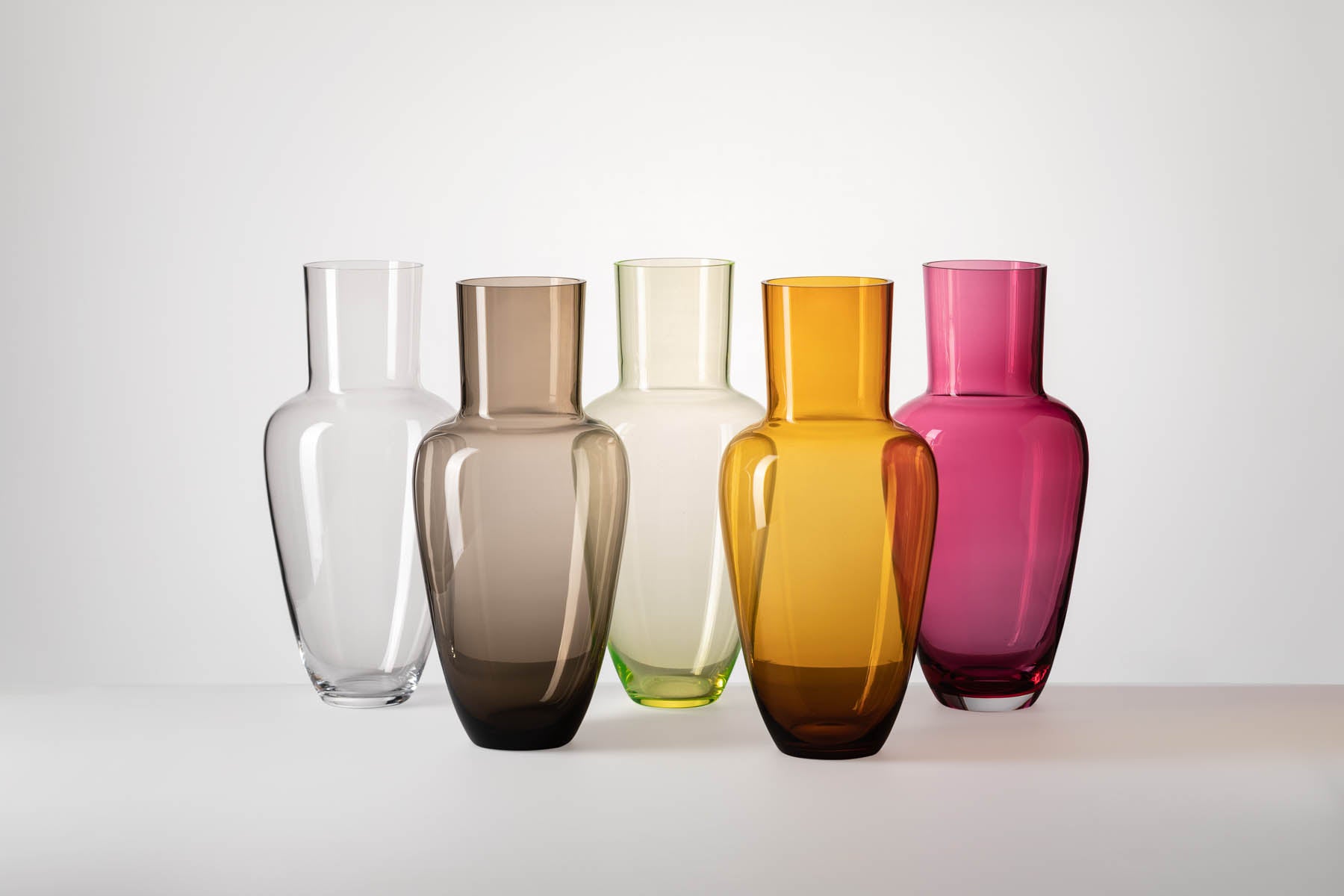
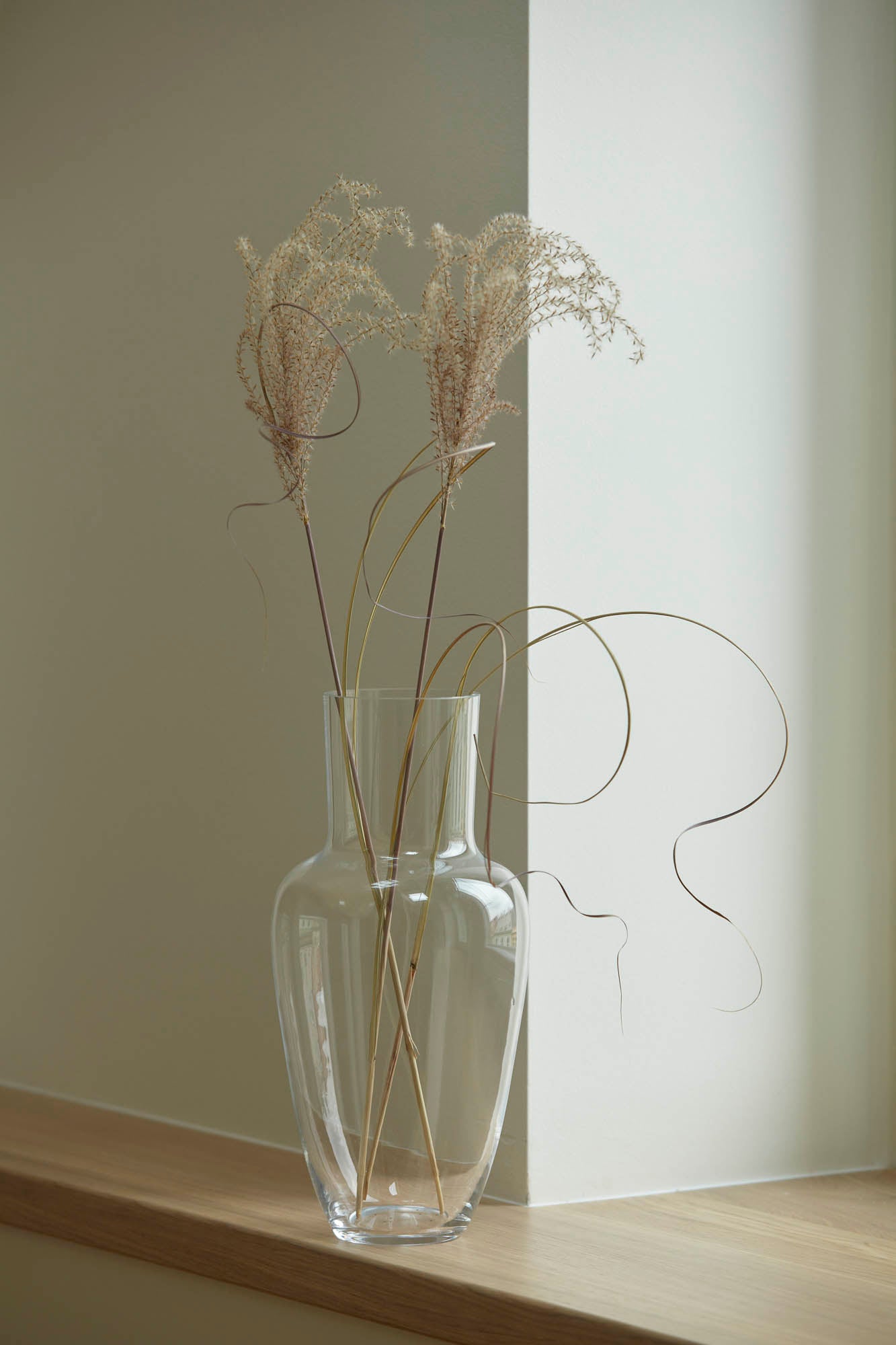
Color can also be part of the story. In glass, a luminous polish refracts rather than reflects, but the philosophy—finesse over flash—remains. Consider the joyful confetti patterning of Confetti Carafe by Anna von Lipa ($214), a celebration of light and movement that pairs strikingly with matte ceramics on a table. Or enjoy the botanical clarity of Transparent Garden Vessel by Frantisek Jungvirt ($825), a crystal-clear counterpoint to the quiet glow of a terra-sig finish. Across mediums, the curated balance of gloss and matte is what makes a vignette sing.
Firing Paths: Low, Smoke, and Fire-Kissed Surfaces
Terra sigillata is often fired at low temperatures to preserve its sheen. Some artists extend the technique into atmospheric firings—pit, sawdust, or wood—where smoke paints the surface in soft greys and browns. The result can be painterly, like clouds drifting across a field of clay.
For example, Michelle Grimm’s Sawdust-Fired Vase 49 ($600) captures the essence of smoke’s choreography: velvety tonal shifts that could be mistaken for brushwork. In a different firing realm, Lilith Rockett’s Wood-Fired Porcelain Vessel 04 ($1,008) shows how flame and ash can etch a vessel’s skin—subtle flashing, mineral ghosts, a quiet map of the kiln’s breath. Both aesthetics resonate with terra sigillata’s core mission: let the material speak.
Not every work seeks a smoke blush; some chase sculptural drama. Maria Economides’s Santa's Bag Of Sadness ($1,744) and Blackness ($1,744) revel in depth and emotion, pairing strong form with contemplative surfaces that feel almost hand-polished in their restraint. Place one near the translucent facets of Moser’s Small Gema Vase ($1,179) and watch the two materials—earth and crystal—amplify each other, matte velvet against prismatic clarity.
Collectors often ask about durability. Terra sigillata is a surface for the careful: it is best suited to decorative pieces, sculptural objects, and vessels that won’t see heavy washing or daily use. Think of it as a textile finish for clay—luscious and lasting when treated with respect. Displayed alongside glass forms like Tilt Bowl by Nate Cotterman ($375), the dialogue of textures elevates shelves and consoles without overwhelming them.
Makers to Know: A Curated Lens on Surface
At Trove, we champion artisans whose surfaces carry narrative weight. Explore their collections to understand how different mediums can converse around a single idea: that finish is feeling.
Noe Kuremoto crafts sculptural forms that conjure ancient guardianship. Haniwa Warrior 93 ($1,700) stands like a quiet sentinel—minimalist, timeless, resolute. Discover more from the artist in the Noe Kuremoto collection.
Anna von Lipa celebrates Czech glassmaking with exuberant color and classic forms. The Confetti Carafe ($214) scatters joy across the table, an ideal partner to matte ceramics. Browse the Anna von Lipa collection.
Frantisek Jungvirt distills nature’s clarity into sleek silhouettes. The Transparent Garden Vessel ($825) reads like water captured in shape. See more in the Frantisek Jungvirt collection.
Faustine Telleschi sculpts porcelain into lyrical folds. The Ruffles Vase ($534) echoes the soft highlights of a burnished rim with porcelain’s luminous hush. Explore the Faustine Telleschi collection.
Marcela Cure brings a refined, sculptural sensibility to statement pieces. Septem ($8,250) is a one-of-a-kind composition with presence and poise—art for rooms that reward contemplation. Visit the Marcela Cure collection.
Nadia Stieglitz works in tactile contrasts, where edges and planes catch the light. The sculptural Parure 8 ($2,800) reveals a commitment to material nuance that collectors of terra sigillata often adore. Explore the Nadia Stieglitz collection.
Nate Cotterman is known for refined glass forms that play with optics and weight. The Tilt Bowl ($375) offers an elegant pitch that pairs beautifully with matte ceramics. Discover the Nate Cotterman collection.
Curating With Contrast: Building a Terra-Sig-Inspired Vignette
Think of your display like a conversation. Terra sigillata’s satin surface speaks softly, so give it partners that listen and respond. Start with a sculptural anchor—perhaps the enigmatic Blackness by Maria Economides ($1,744) or the archaeological resonance of Distressed Sardinia Vessel by Àlvar Martínez Mestres ($732). Next, introduce a translucent counterpoint: the prismatic facets of Moser’s Small Gema Vase ($1,179) or the garden clarity of Transparent Garden Vessel by Frantisek Jungvirt ($825). Round the tableau with a touch of color rhythm—the playful Confetti Carafe by Anna von Lipa ($214) brings life without noise.
Texture is equally key. The hand-carved handles of Long Handle Bowl by Melina Xenaki ($533) invite the gaze to linger. The ridged silhouette of Ruffles Vase by Faustine Telleschi ($534) adds gentle movement, echoing the way a burnished terra-sig surface catches light along a curve. Then, introduce a whisper of atmosphere through firing marks: Michelle Grimm’s Sawdust-Fired Vase 49 ($600) or Lilith Rockett’s Wood-Fired Porcelain Vessel 04 ($1,008) will ground the grouping with a sense of place and time in the kiln.
Art on the wall can mirror these surface dialogues. Clouds 01 by Caroline Desile ($778) offers soft, tonal gradations that echo the matte-to-satin transitions prized in terra sigillata, creating a visual bridge between sculptural ceramic and gleaming glass. For a statement focal point, position Septem by Marcela Cure ($8,250) where natural light can play across its contours, encouraging subtle shifts in mood throughout the day.
If you’re building a giftable set, combine the brightness of Confetti Carafe ($214) with the architectural poise of Tilt Bowl ($375). Add a small, fired-clay accent—Michelle Grimm’s smoke-marked form or a minimal sculptural piece—and you’ve created a trio that reads as both modern and human.
Practice Notes for Makers—and Insight for Collectors
For studio potters, terra sigillata rewards patience. Thin coats are kinder than thick ones, soft polishing kinder than aggressive rubbing. Many artists prefer to apply at leather-hard, when the surface still has give but resists smudging. Others wait until bone dry, trusting a delicate touch and a steady brush. Firing low preserves the sheen; introducing smoke through pit or sawdust firing writes a landscape across the surface. As with all studio processes, testing is the quiet backbone of excellence.
For collectors, the key is care and context. Terra sigillata is best displayed away from high-traffic hazards. Dust with a soft, dry cloth; handle by sturdy areas like thicker walls or the foot. It’s a finish to savor, not to rush. When paired with glass or polished stone, its matte luster deepens; when placed near linen or wool, it reads texturally luxurious—another reason it is beloved in modern interiors that favor tactility over glare.
At Trove, we celebrate this sensibility across mediums. Think of the assured presence in Maria Economides’s Santa's Bag Of Sadness ($1,744), where poise and emotion meet; the guardian stillness of Noe Kuremoto’s Haniwa Warrior 93 ($1,700); the lyrical folds of Faustine Telleschi’s Ruffles Vase ($534); the crystalline precision of Moser’s Small Gema Vase ($1,179); and the confident tilt of Nate Cotterman’s Tilt Bowl ($375). Together, they create a narrative about restraint—about the artistry of knowing when a surface is already saying enough.
Shop the Look: Terra-Sig Spirit, Curated by Trove
Browse pieces that speak to the refinement, tactility, and timeless appeal of terra sigillata and its kindred surfaces:
• Santa's Bag Of Sadness by Maria Economides — $1,744
• Blackness by Maria Economides — $1,744
• Haniwa Warrior 93 by Noe Kuremoto — $1,700
• Confetti Carafe by Anna von Lipa — $214
• Distressed Sardinia Vessel by Àlvar Martínez Mestres — $732
• Transparent Garden Vessel by Frantisek Jungvirt — $825
• Septem by Marcela Cure — $8,250
• Ruffles Vase by Faustine Telleschi — $534
• Parure 8 by Nadia Stieglitz — $2,800
• Small Gema Vase by Moser — $1,179
• Tilt Bowl by Nate Cotterman — $375
• Long Handle Bowl by Melina Xenaki — $533
• Wood-Fired Porcelain Vessel 04 by Lilith Rockett — $1,008
• Sawdust-Fired Vase 49 by Michelle Grimm — $600
• Clouds 01 by Caroline Desile — $778
Prices are listed at time of publication and may change. For each maker’s full portfolio, visit their collections: Frantisek Jungvirt, Anna von Lipa, Noe Kuremoto, Faustine Telleschi, Marcela Cure, Nadia Stieglitz, and Nate Cotterman.
Whether you’re a maker exploring terra sigillata for the first time or a collector curating a conversation between matte and gloss, the lesson endures: let material lead. When clay is allowed to be clay—and light is invited to skim rather than shout—objects gain a presence that grows richer with every glance.
Ready to collect? Explore our full selection of handcrafted ceramics, glass, and sculpture, and discover the pieces that speak quietly and last beautifully. Shop Trove Gallery and join our newsletter for new arrivals, studio stories, and collector guides.