Wheel Throwing: Centrifugal Creation
Clay on a spinning wheel is a study in poise and motion—a quiet collaboration between centrifugal force and human intention. Wheel throwing is both technique and philosophy, asking the maker to center not just the clay, but the self. At Trove Gallery, we’re drawn to wheel-thrown work for its palpable vitality: the way a curve captures speed, the way a rim holds breath. In this deep dive, we explore how wheel throwing shapes form, fire, and feeling—and we introduce a curated selection of vessels that embody the discipline at its most refined.
The Wheel’s Centrifugal Intelligence
At the heart of wheel throwing lies a simple physics: rotation creates stability. As the wheel turns, centrifugal force helps the clay find symmetry. The maker leans in, palms steady, and hears the subtle hum that signals balance. Once centered, the clay becomes remarkably responsive; each gesture—press, pull, lift—translates into line. This is why wheel-thrown ceramics feel alive in the hand. The circular energy remains suspended in the walls of the piece, a soft echo of motion held in porcelain or stoneware.
For collectors, understanding this choreography enriches the pleasure of living with wheel-thrown pieces. The rhythm you perceive in a vessel’s profile—the widening belly, the tapered neck—is no accident. It’s the result of learned micro-movements that balance pressure and release. In the right hands, the pottery wheel is a precision instrument, enabling profiles so pure and walls so even they seem almost drawn rather than made.
From Centering to Form: The Thrower’s Choreography
Wheel throwing unfolds in stages that are both technical and meditative. Wedging prepares the clay, aligning its particles for strength and plasticity. Centering tames wobble and sets an axis. Opening and pulling establish the interior volume; the maker’s fingers are guided by touch more than sight, a tactile feedback loop that keeps thickness uniform. Shaping refines the silhouette—straight, ovoid, or whisper-thin at the rim—while the wheel’s spin ensures continuity. Finally, trimming on a leather-hard piece sharpens foot rings and clarifies the posture of the form.
The best wheel-thrown ceramics carry this process forward with restraint. You can read the throws in the wall, sense where the clay moved faster or slower, and see how a curve tightens near the lip to invite light. In practice, this means a well-thrown vessel will feel balanced even when empty and will look harmonious from any angle. That’s the quiet luxury of exceptional technique: it disappears into the pleasure of use.
Porcelain, Light, and Line: The Poetics of Restraint
Porcelain is the material of choice when a maker seeks clarity. Its fine particle structure allows for thin walls, crisp rims, and a soul-deep luminescence under light. Our selection by Lilith Rockett demonstrates how purity of line and sensitivity to proportion can elevate a simple cylinder into an object of contemplation.
Consider Porcelain Vessel 01 ($720.00), a study in balance with a quiet, continuous rise that invites the hand to trace its contour. Porcelain Vessel 02 ($720.00) refines the dialogue: the lift is slightly tauter, the shoulder more pronounced. Porcelain Vessel 03 ($750.00) subtly shifts the cadence again, offering a fuller body and a gently tightened lip that holds light like a horizon line. These wheel-thrown forms demonstrate how small decisions—millimeters of clay, degrees of curve—can change the emotional temperature of a piece.
Porcelain’s response to touch is direct; it remembers every gesture. When a maker chooses minimal surface treatment, the discipline of throwing is laid bare. Rockett’s work embraces this honesty. The pieces are quiet by design, made to be lived with daily or collected as a suite where differences become a kind of music. Display them in clusters to let their silhouettes converse, or place one alone on a shelf where morning light can articulate the rim.
Fire as Collaborator: Wood-Fired Porcelain at Its Peak
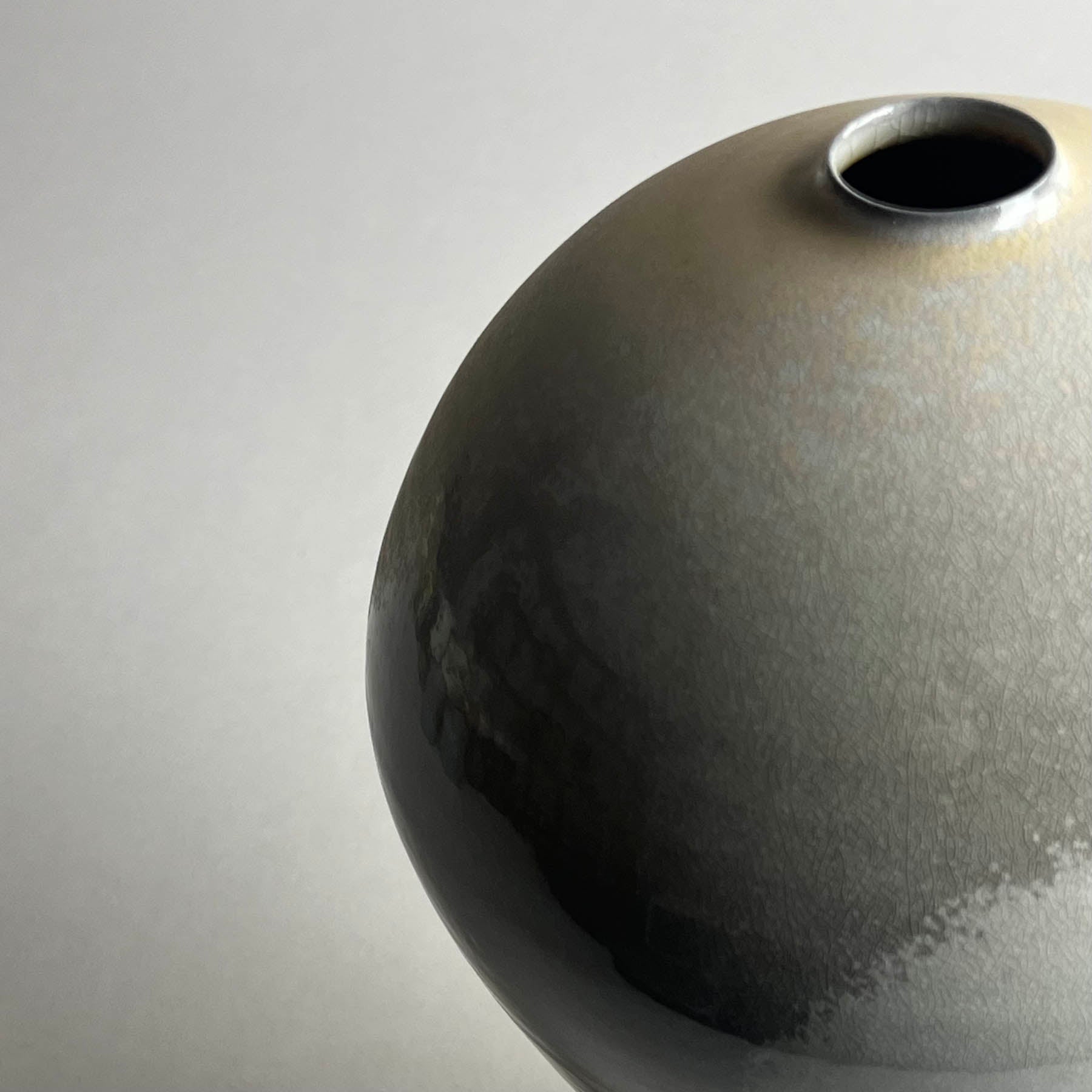
If porcelain offers purity, wood firing brings wildness. In the wood kiln, flame and ash sweep across the work, settling into a patina that cannot be replicated. Flashing, speckling, and warm gradients happen where the piece meets the flow of heat; the kiln records a map of the firing’s atmosphere. The result is porcelain with a soulful complexity: poised forms with fire-kissed surfaces.
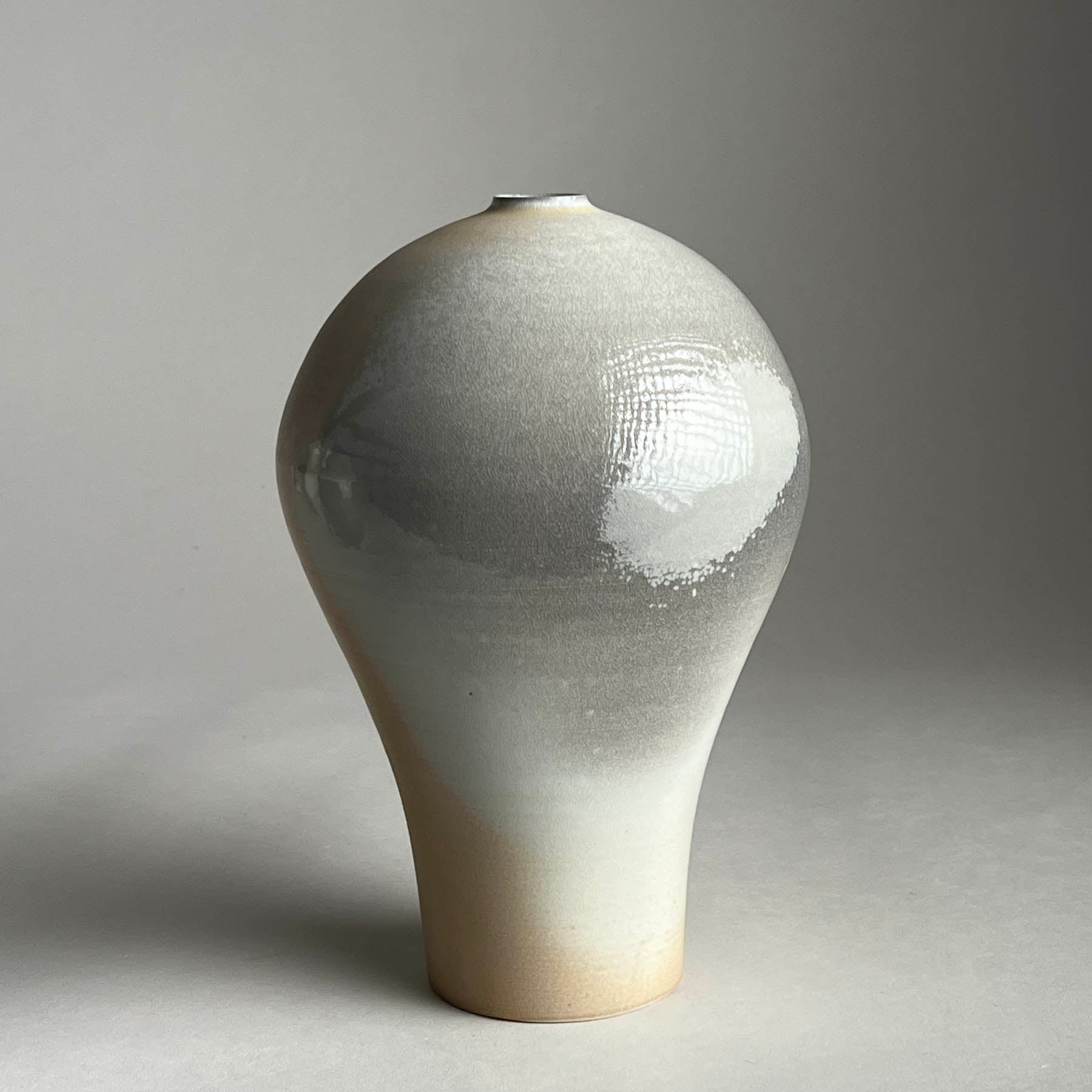
Our wood-fired selection by Lilith Rockett exemplifies the beauty of this collaboration. The Wood-Fired Porcelain Bowl 01 ($910.00) captures a gradient of warm blush to pale stone, its interior a calm field for serving or contemplation. Each vessel in the series holds its own weather: Wood-Fired Porcelain Vessel 01 ($1,190.00) is marked by subtle ash tones that gather at the shoulder; Wood-Fired Porcelain Vessel 02 ($1,008.00) reveals a quiet drift of speckles; Wood-Fired Porcelain Vessel 03 ($1,036.00) carries a gentle hatch of flame; Wood-Fired Porcelain Vessel 04 ($1,008.00) balances pale porcelain with soft, smoky blush; and the companion pieces Wood-Fired Porcelain Vessel 05 ($868.00) and Wood-Fired Porcelain Vessel 06 ($868.00) offer intimate scale and nuanced surfaces that invite close study.
Because wood firing is inherently variable, each piece is singular. Look closely and you’ll notice how a line of ash highlights the wheel-thrown curve, how a shadow collects under the lip, how the foot ring’s trim marks frame the form with intention. This is wheel-thrown technique meeting a living kiln: flawless discipline softened by chance. In interiors, wood-fired porcelain adds warmth and depth; in collections, it reads as painterly, the surface a landscape shaped by flame.
Texture as Topography: Cratered Surfaces and Sculptural Silhouettes
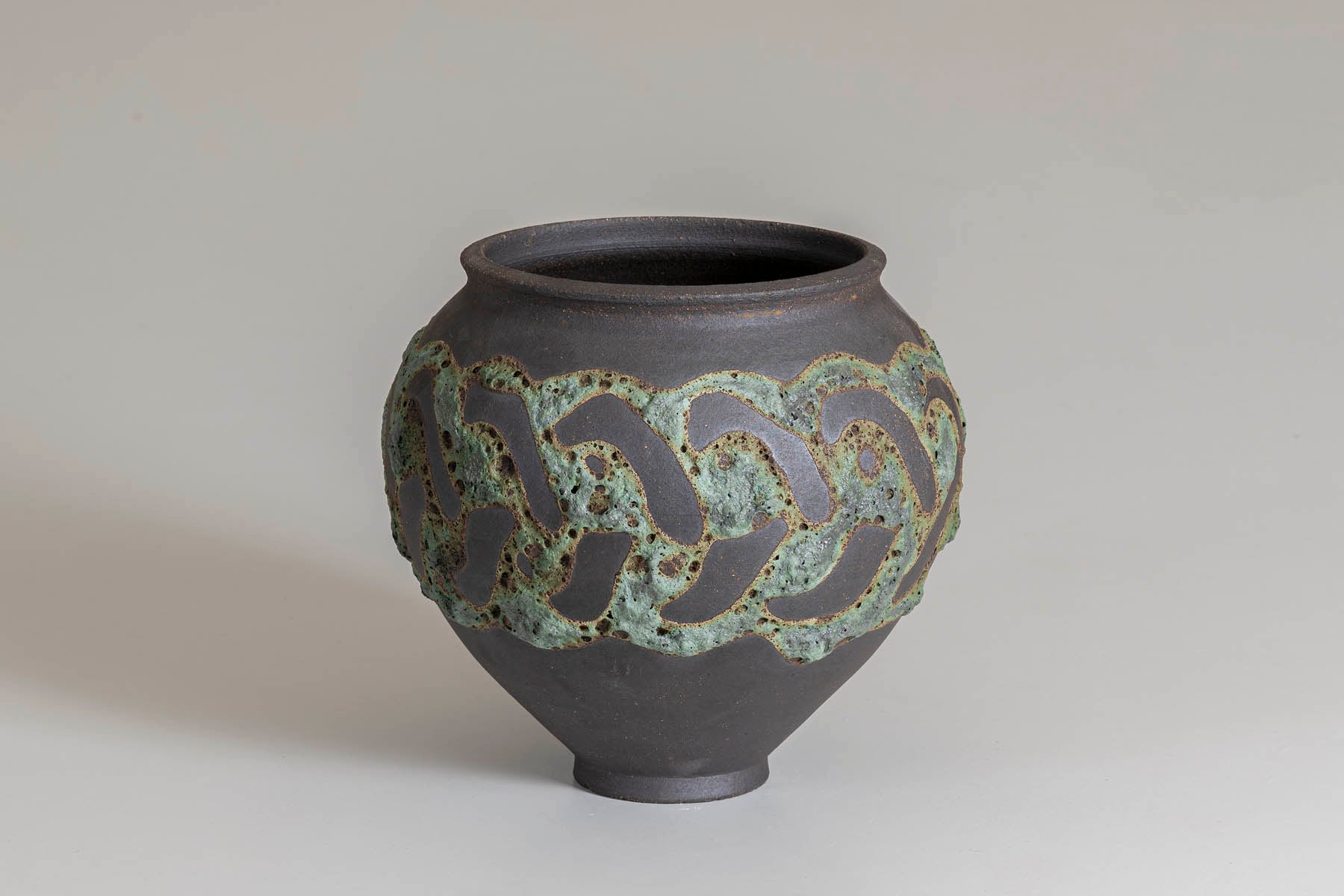
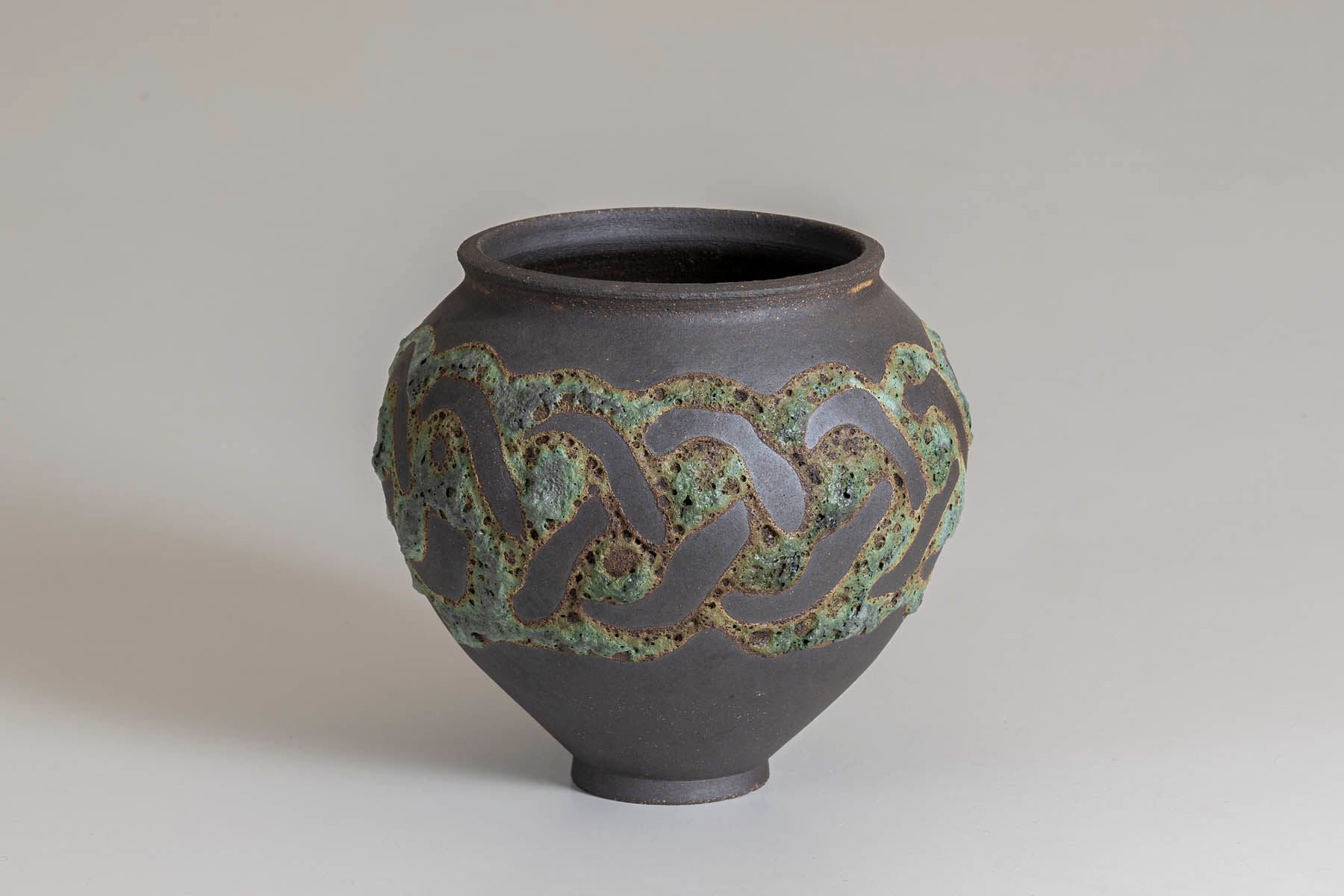
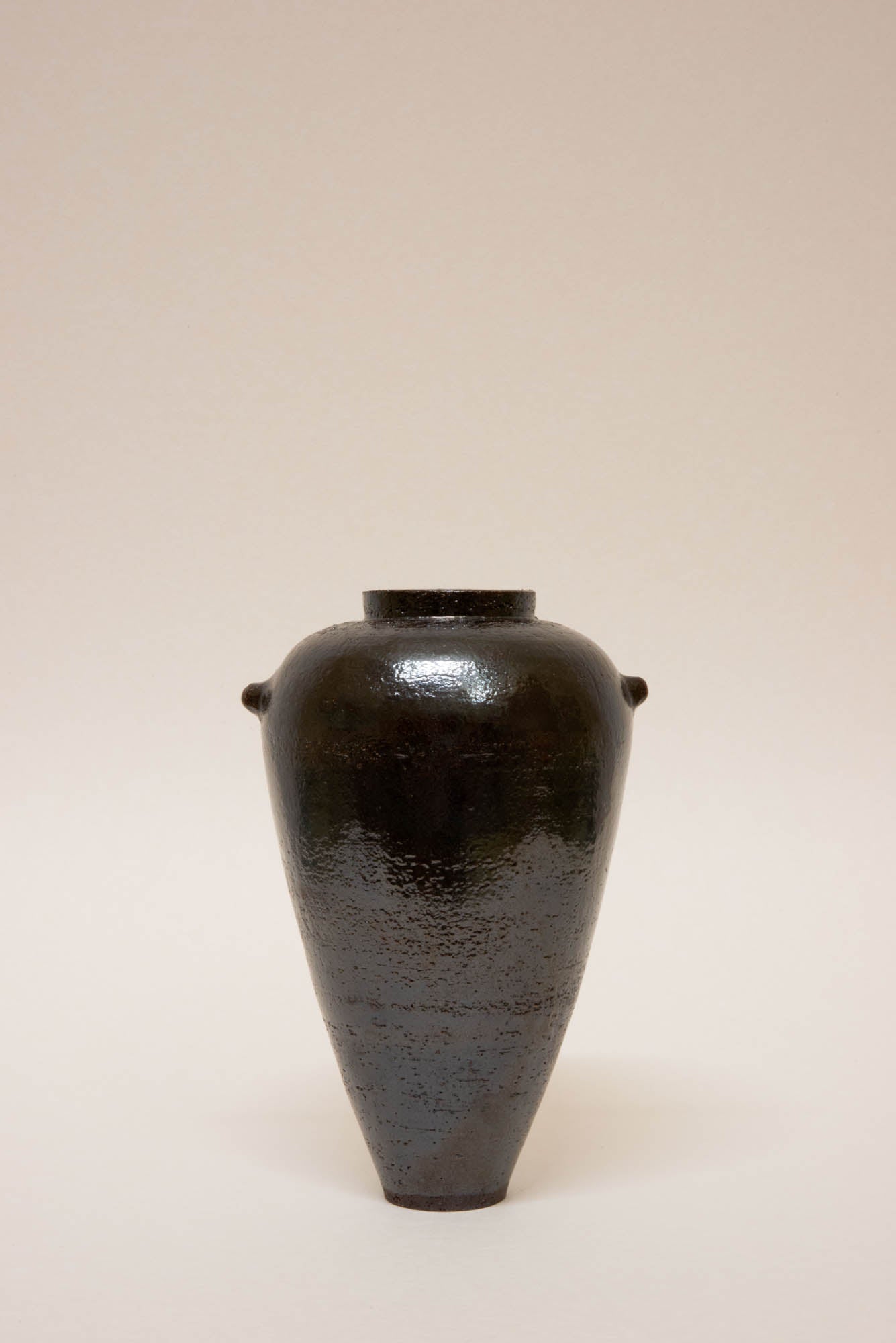
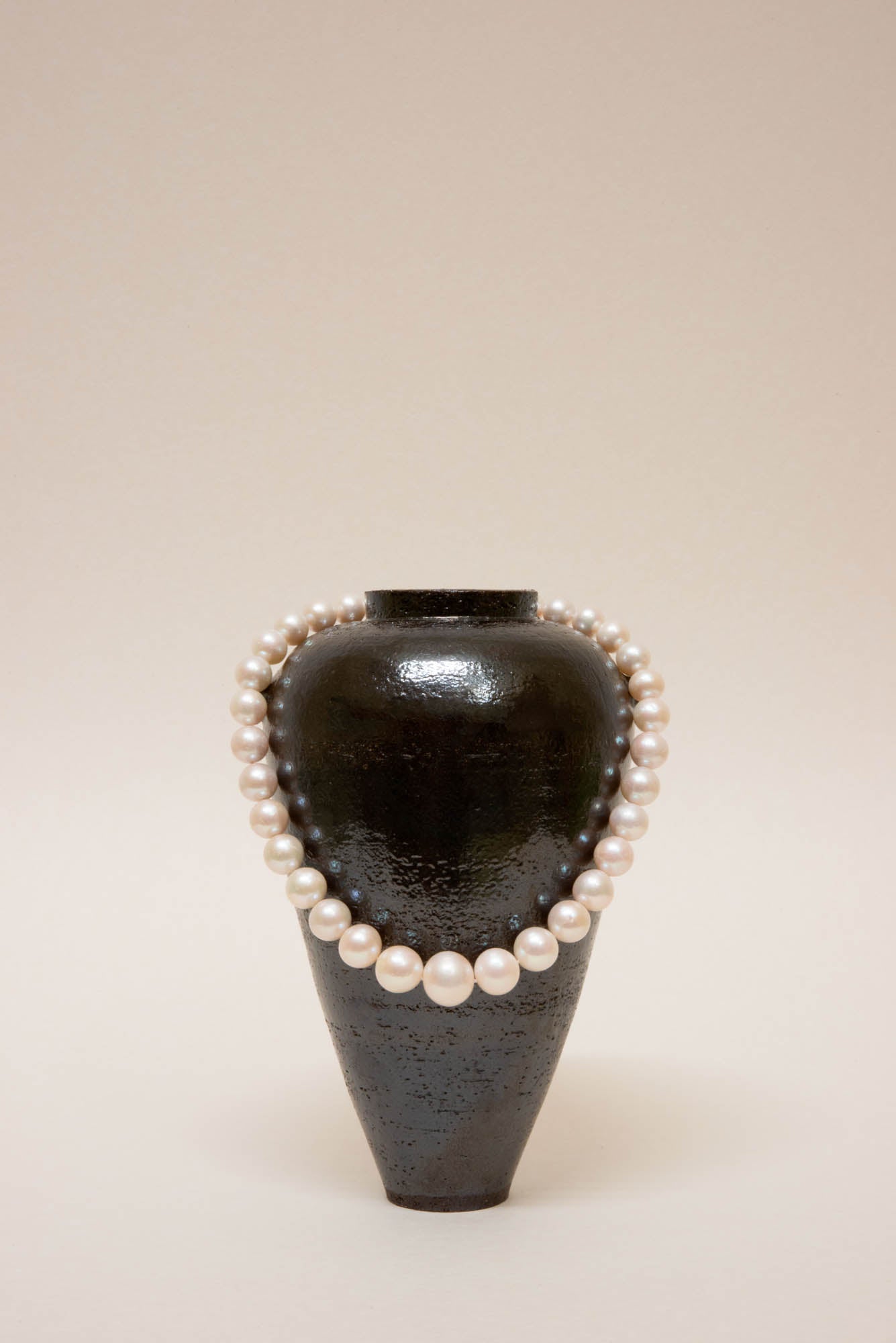
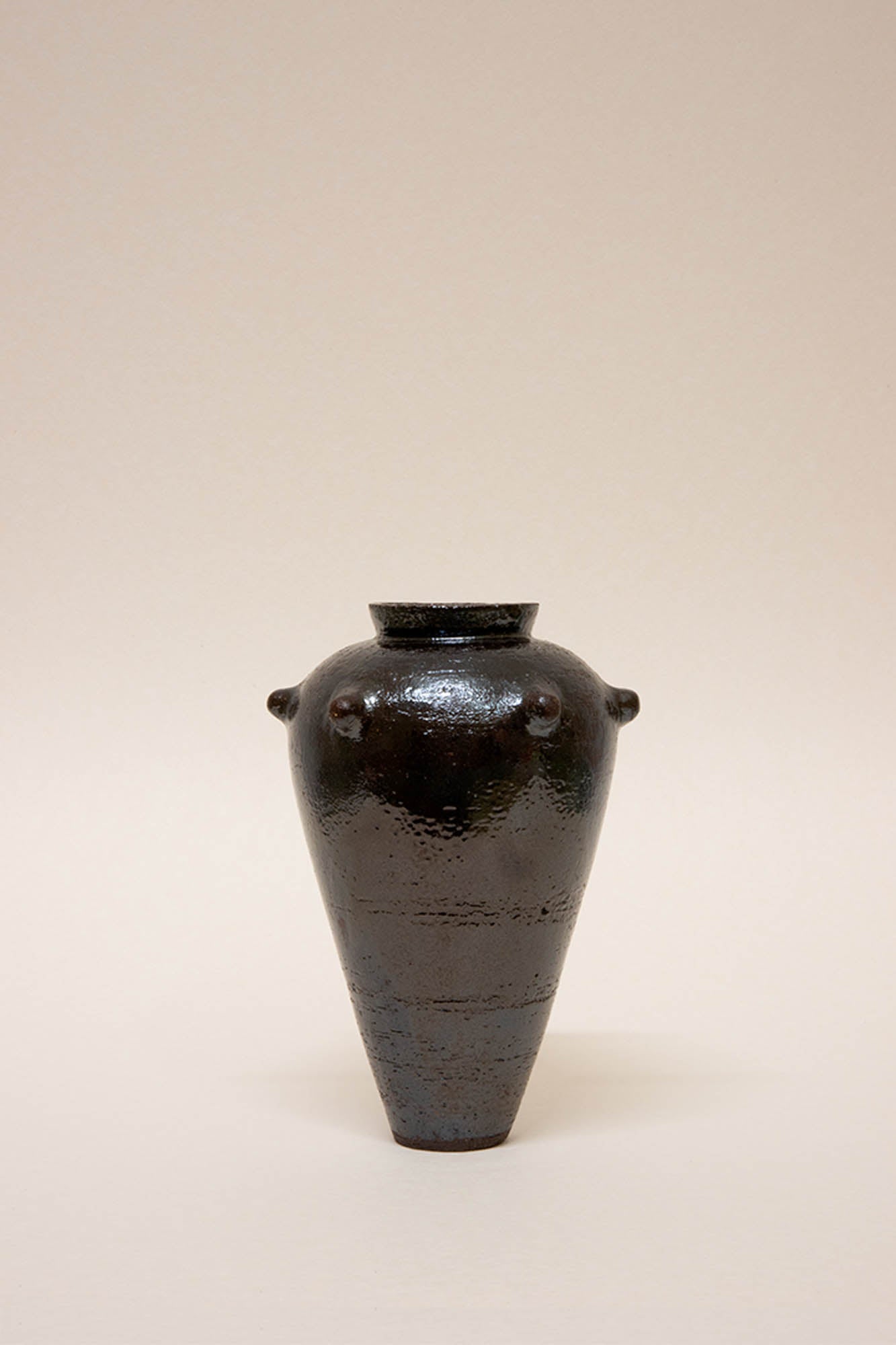
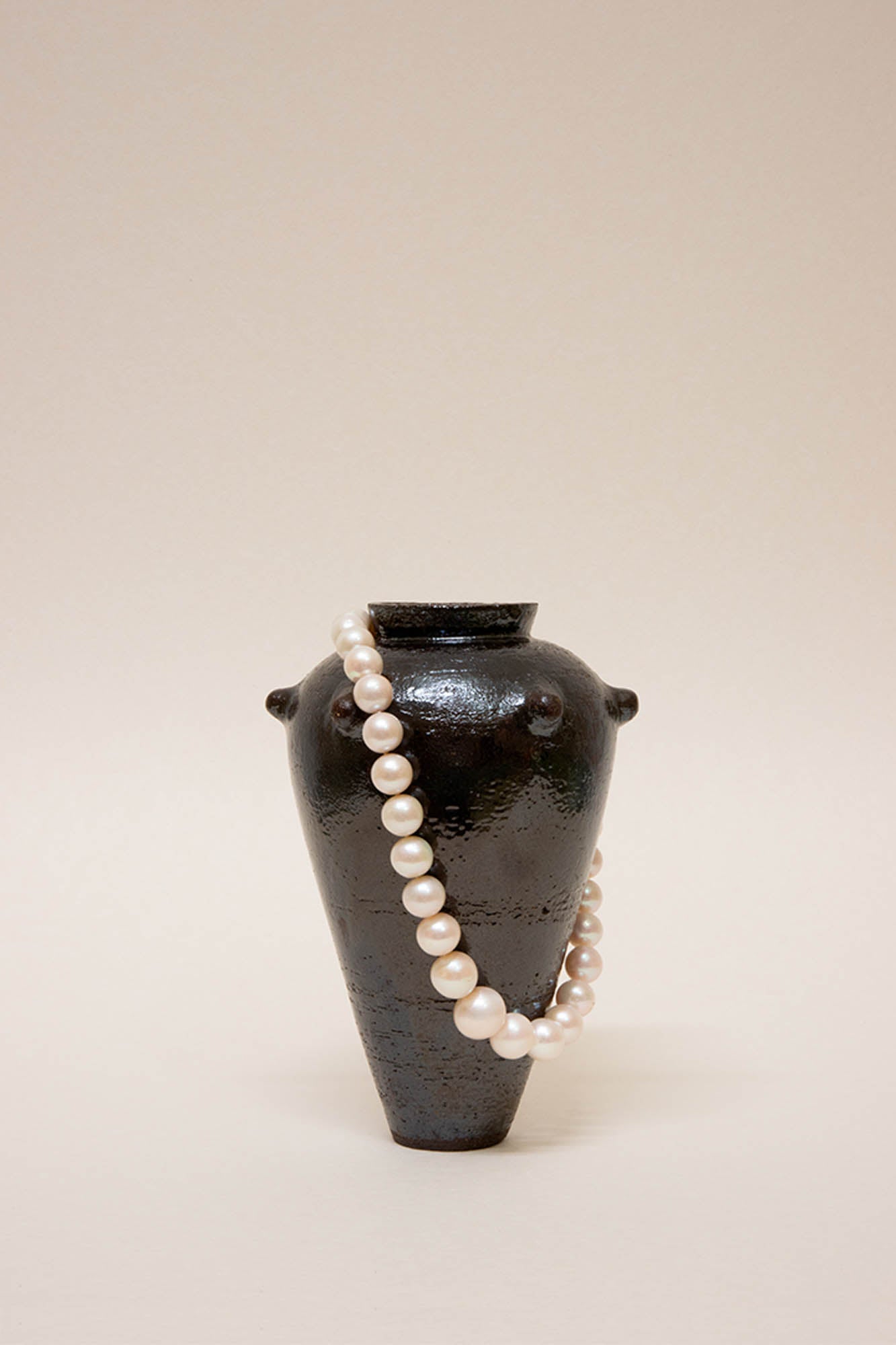
Not all wheel-thrown work seeks polished restraint. Texture can amplify the energy of rotation, transforming a vessel into something almost geologic. Melina Xenaki explores this terrain with bold tactility. Her Green Patterned Crater Vase ($566.00) evokes a volcanic landscape—cratered, patterned, and richly tactile. The wheel establishes the underlying volume, while the surface treatment plays with light and shadow, turning the form into a topographical study. A luminous green palette accentuates highs and hollows, inviting the hand to wander as much as the eye. Placed on a console or dining table, it becomes an instant focal point: contemporary, organic, and delightfully alive.
For a different conversation around silhouette, the collaborative duo Kiril Georgiev and Elina Zabeta offers a series of numbered vessels that explore proportion as a language. Vessel #3 ($470.00) presents a poised profile—an elegant rise and a controlled shoulder—while Vessel #4 ($402.00) and Vessel #5 ($402.00) refine the dialogue with subtle shifts in volume and neck. Vessel #6 ($369.00) lightens the mood with a slender stance that feels agile and modern. These pieces are sculptural yet versatile: striking enough to stand alone, quiet enough to complement art and architecture without competing.
Texture, silhouette, and spin are the threads that unite these makers. Whether cratered, fire-marked, or porcelain-smooth, each vessel begins as a centered mound on the wheel. It’s the maker’s touch—firm, deft, patient—that determines whether the final form whispers or sings.
Curating, Caring, and Living with Wheel-Thrown Work
Curating wheel-thrown ceramics for your space is an exercise in rhythm. Start by choosing an anchor piece with presence, then build supporting voices around it. A wood-fired porcelain vessel with complex surface movement can anchor a console; a trio of pure white forms can turn a bookshelf into an essay on line. Mix heights to create a gentle ascent across a mantel. Pair texture with smoothness—Xenaki’s cratered surface beside Rockett’s luminous porcelain—to let contrast heighten appreciation.
Function follows feeling. Bowls like Wood-Fired Porcelain Bowl 01 bring beauty to daily rituals—fruit, salads, or simply empty as a meditation on curve. Vessels can host seasonal branches or stand sovereignly as sculpture. If you entertain, consider the tactile pleasure of passing a wheel-thrown object; the lip, the foot, the thickness all contribute to the experience.
Care is simple but thoughtful. Wheel-thrown porcelain is strong, yet treat it with the respect you’d give any finely crafted object. Hand wash with mild soap and a soft sponge; avoid sudden temperature shifts; protect bases and tabletops with felt or leather pads if needed. Wood-fired surfaces may have subtle variations—these are part of the piece’s character. Follow any specific care notes from the maker; when in doubt, err on the side of gentleness.
Collect intentionally. If you’re drawn to minimal purity, begin with Porcelain Vessel 01, 02, and 03 from Lilith Rockett, observing how small shifts in proportion create harmony across a shelf. If surface complexity speaks to you, choose among the wood-fired series—01 through 06—and let the kiln’s language unfold piece by piece. For bold tactility, Xenaki’s Green Patterned Crater Vase brings sculptural impact, while the Georgiev & Zabeta series invites you to explore silhouette as a collection in motion.
In the end, wheel throwing is a generous craft. It offers us objects that dignify daily life—vessels for flowers, food, and thought. It reminds us that balance is not static but responsive, a dialogue between stillness and spin. When you bring a wheel-thrown piece into your home, you bring that dialogue with it: the pulse of the wheel, the steadiness of the hand, the poise of the final form.
Bring the wheel home. Explore the makers featured here and discover more pieces that celebrate the craft: shop Lilith Rockett, Melina Xenaki, and Kiril Georgiev and Elina Zabeta. Or begin with a single piece that speaks to you—perhaps the luminous Porcelain Vessel 01, the fire-marked Wood-Fired Porcelain Vessel 03, or the tactile Green Patterned Crater Vase. Each is a testament to centrifugal creation, ready to become part of your daily ritual.